






More Dental Health Articles
What Do White Gums Around Teeth Indicate for Your Oral Health?
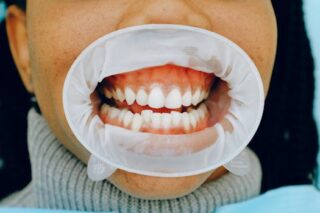
Noticing white gums around teeth can be concerning, but understanding what it means for your oral health is important. This condition can have several potential causes, ranging from minor issues to more significant health concerns. It’s crucial to identify these causes to maintain optimal oral and overall health.
What Causes White Gums Around Teeth?
The appearance of white gums around teeth can result from several factors. One common cause is irritation or inflammation, which might occur due to brushing too hard, using an ill-fitting dental appliance, or chemical irritation from certain oral hygiene products. Additionally, underlying health conditions such as anemia or leukoplakia may also present with white or pale gums.
Gingivitis and White Gums
Gingivitis, a mild form of gum disease, often begins with redness and swelling around the gums. However, in some cases, the gums may appear pale or white, particularly if the condition progresses. Ensuring regular oral hygiene practices can prevent gingivitis from advancing to more severe forms of gum disease.
Oral Thrush
An overgrowth of the fungus Candida can lead to oral thrush, a condition that may cause white patches or spots on the gums, tongue, and inner cheeks. While typically not serious, oral thrush can be uncomfortable and may require antifungal treatment. This condition is more common in people with weakened immune systems or those using inhaled corticosteroids.
When to Seek Professional Advice
If you notice white gums around your teeth, it is advisable to consult with a dental professional for a comprehensive evaluation. Persistent symptoms, such as discomfort, bleeding, or swelling, should not be ignored, as these may indicate more serious underlying health issues. For more insights into root causes and holistic management, a consultation with a functional medicine doctor might be beneficial.
Nutritional Deficiencies
Sometimes, nutritional deficiencies might be the culprit behind pale or white gums. Deficiencies in vitamins like B12, folate, and iron are often linked to changes in gum color. Ensuring a balanced diet rich in these nutrients can help maintain healthy gums and oral tissues.
Mouth Infections or Injuries
Infections or injuries to the mouth can also result in the discoloration of gums. Bacterial, viral, or fungal infections might cause changes in the gum’s appearance. Similarly, physical trauma to the mouth or gums can lead to temporary whiteness as the tissue heals.
Preventing White Gums Around Teeth
To prevent the occurrence of white gums, maintain an effective oral hygiene routine. This includes brushing twice daily, flossing regularly, and visiting your dentist for routine check-ups. Avoid using tobacco products, as smoking can exacerbate gum problems. Drinking plenty of water and maintaining a healthy diet also play a role in promoting healthy gums.
Managing Stress and Oral Health
Stress can negatively impact oral health, potentially leading to teeth grinding or clenching. These habits can cause inflammation or irritation in the gum tissues. Stress management techniques such as mindfulness, regular exercise, and adequate sleep may positively influence your oral health.
Professional Dental Treatments
Professional dental treatments might be necessary for treating white gums, especially if they persist. Depending on the diagnosis, your dentist may suggest treatments ranging from antifungal medications to more advanced therapeutic interventions. Consistent follow-ups will ensure the effectiveness of any treatment and aid in monitoring your oral health recovery.
To learn more about maintaining overall health, consider visiting reputable sources such as this comprehensive health guide, which discusses various aspects of health and wellbeing.
Understanding what white gums around teeth indicate can empower you to take the appropriate steps toward maintaining oral health. While many causes may be benign, persistent symptoms should be evaluated by a professional to rule out underlying conditions.
- White gums can result from irritation or inflammation.
- Oral thrush and gingivitis are common causes.
- Nutritional deficiencies may also affect gum color.
- Regular dental visits help to prevent and address white gums.
- Managing stress can have a positive impact on oral health.
FAQ
What should I do if I notice white gums around my teeth?
If you notice white gums, it’s best to consult a dentist for a full evaluation. They can determine the cause and suggest an appropriate treatment plan.
Can white gums be a sign of serious health problems?
While white gums can sometimes indicate more serious conditions, often they are a result of minor issues. A dental professional can help determine the exact cause.
How can I prevent white gums?
Maintaining good oral hygiene and a balanced diet can prevent white gums. Regular dental checkups are also crucial for early detection and prevention.
Can stress cause white gums?
While stress itself does not directly cause white gums, it can contribute to habits that may lead to gum issues, such as teeth grinding or clenching.
Does oral hygiene affect gum color?
Yes, proper oral hygiene is vital for healthy gum color. Inadequate brushing and flossing can lead to conditions like gingivitis, which may alter gum appearance.
Other Articles You May Find of Interest...
- Best Dental Experts in Knightsbridge for Modern Treatments
- Family Dental Care: Essential Tips for Maintaining Health Together
- Why Prioritizing Cosmetic Dental Care Matters for Your Smile
- Why Dental Implants Are Essential for Long-Term Oral Health
- How Long Should You Wear Retainers After Braces?
- Choosing the Right Mouthwash with Antifungal Properties for Optimal Oral Health
- Modern Wellness: How Ethical Consumer Choices and Advanced Dental Technology Are Shaping Personal Health




