






More Dental Health Articles
Pain and Dentistry
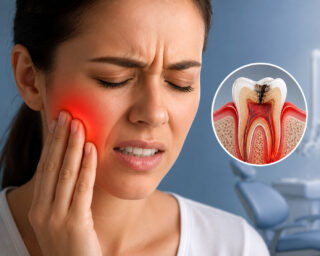
Understanding Oral Discomfort and Modern Solutions
Pain is one of the most common reasons people seek dental care, yet it is also one of the most feared aspects of visiting the dentist. Dentistry has evolved significantly over the years, not only in treating oral diseases but also in managing and minimizing pain. Understanding the causes of dental pain and the methods used to address it can help patients feel more confident and proactive about their oral health.
Dental pain can arise from a variety of sources, most commonly tooth decay, gum disease, tooth fractures, or infections such as abscesses. Tooth decay occurs when bacteria break down the enamel, eventually reaching the sensitive inner layers of the tooth. This can lead to sharp or throbbing pain, especially when eating or drinking hot, cold, or sweet substances. Gum disease, or periodontal disease, may cause swelling, bleeding, and discomfort in the gums, sometimes progressing to pain in more advanced stages.
Another frequent cause of dental pain is sensitivity. This occurs when the protective enamel layer wears down or when gums recede, exposing the underlying dentin. As a result, everyday activities like brushing or consuming cold drinks can trigger discomfort. Additionally, impacted teeth—especially wisdom teeth—can create pressure and pain as they push against surrounding teeth or fail to emerge properly.
Modern dentistry places a strong emphasis on pain prevention and management. Dentists use a range of techniques to ensure that procedures are as comfortable as possible. Local anesthesia is the most common method, numbing the specific area being treated so patients do not feel pain during procedures such as fillings or extractions. For more complex or anxiety-inducing treatments, sedation options—including oral sedatives, nitrous oxide (laughing gas), or intravenous sedation—may be used to help patients relax.
Beyond clinical treatments, dentists also focus on addressing the root cause of pain. For example, cavities are treated with fillings, while more severe decay may require root canal therapy to remove infected tissue and preserve the tooth. Gum disease is managed through deep cleaning procedures such as scaling and root planing, along with improved oral hygiene practices. In cases of severe damage, tooth extraction may be necessary, followed by restorative options like implants or bridges.
Prevention plays a critical role in reducing dental pain. Maintaining good oral hygiene—brushing twice daily, flossing regularly, and using fluoride toothpaste—helps prevent decay and gum disease. Regular dental checkups allow for early detection of potential problems before they become painful. Diet also has an impact; limiting sugary foods and drinks can reduce the risk of cavities.
Psychological factors should not be overlooked when discussing pain in dentistry. Dental anxiety is common and can heighten the perception of pain. Open communication between patients and dental professionals is essential to address fears and create a more comfortable experience. Many dental practices now prioritize patient comfort through calming environments and patient-centered care approaches.
In conclusion, while dental pain is a common concern, advancements in dentistry have made it highly manageable and often preventable. By understanding the causes of oral discomfort and seeking timely care, individuals can maintain healthy teeth and gums while minimizing pain. Dentistry today is not just about treatment—it is about ensuring comfort, confidence, and long-term oral health.
Other Articles You May Find of Interest...
- Can Gum Disease Cause Bad Breath?
- Botox at the Dentist? A Northern Virginia Patient FAQ About Uses, Safety, and What to Expect
- Why Your Teeth May Look Healthy but Still Need Dental Attention
- What Goes Into Developing an Alcohol-Free Mouthwash Beyond the Ingredient List
- 6 Best Dentist Options in Reston, Virginia for Family, Cosmetic, and Emergency Care
- Why Comprehensive Dental Care Matters at Every Stage of Life
- Why Preventive Dental Care Matters at Every Stage of Life




