Your Health Magazine Contributor
4201 Northview Drive
Suite 102
Bowie, MD 20716
More Dental Health Articles
5 Cosmetic Dental Treatments Worth Knowing About Before Your Next Dentist Visit
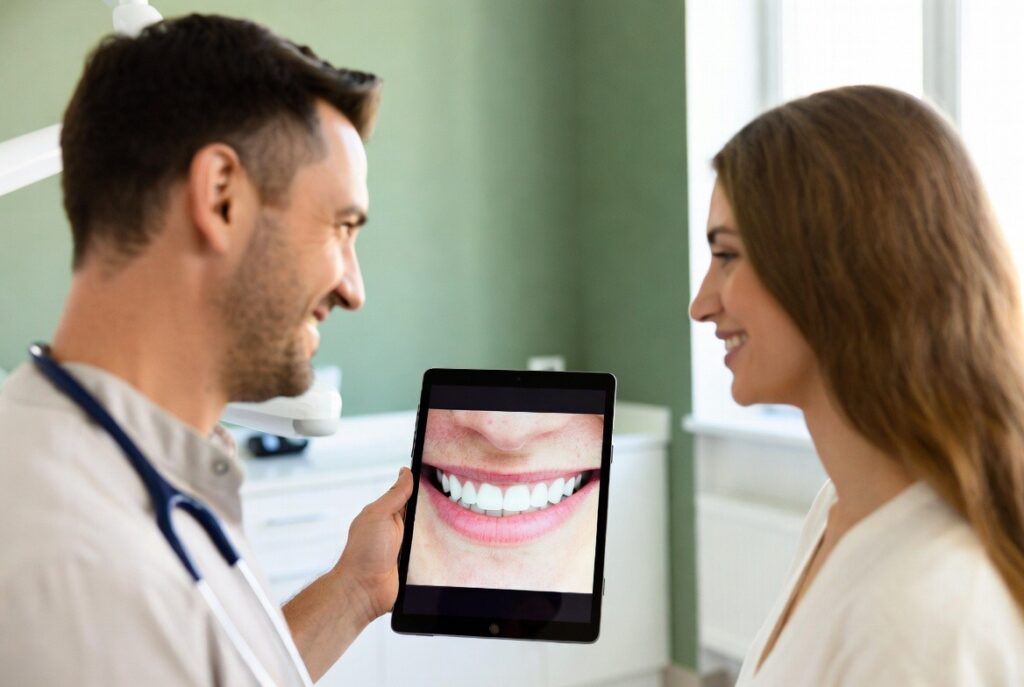
Most people don’t think about cosmetic dentistry until they catch themselves smiling tight-lipped in a photograph. Then come the questions. Are my teeth darker than they used to be? Is that chip on my front tooth getting more noticeable? Could my smile be straightened without a mouthful of metal?
Cosmetic dental treatments have come a long way in the last decade. Many are less invasive, more affordable, and far more natural-looking than the procedures patients still picture in their heads. The challenge is sorting through the options, and the marketing, to understand what each treatment does, who it suits, and what trade-offs come with it.
This guide breaks down five of the most common cosmetic dental treatments worth understanding before your next appointment, so you can ask informed questions rather than rely on a glossy brochure.
What Counts as Cosmetic Dentistry?
Cosmetic dentistry refers to dental work focused primarily on appearance: the colour, shape, alignment, size, or overall harmony of your smile. That said, the line between cosmetic and restorative care is blurrier than people assume. A chipped front tooth, for example, is both an aesthetic concern and a structural one. A misaligned bite can affect both confidence and long-term oral health.
A thoughtful dentist will usually weigh both sides before recommending anything. The point of cosmetic treatment isn’t a Hollywood smile. It’s a smile that looks like yours, just a little more rested, even, and healthy. Practices that focus on this balanced approach, such as the team at Lodge Causeway Dental Centre, tend to begin every consultation with a wider conversation about oral health rather than jumping straight to treatment options.
1. Professional Teeth Whitening
Teeth whitening is the most requested cosmetic treatment worldwide, and for good reason. It’s quick, relatively affordable, and the change is visible. Tooth discoloration builds up gradually from coffee, tea, red wine, tobacco, certain medications, and simple ageing of the enamel, so even people with otherwise healthy teeth tend to notice their smile dulling over time.
Professional whitening uses higher-strength peroxide gels than the ones found on a supermarket shelf, applied either in-clinic or through custom-fitted take-home trays. Results typically last from several months to a couple of years, depending on your diet and habits.
A few things worth knowing before you book:
- Whitening doesn’t change the colour of veneers, crowns, or fillings, which means existing dental work may stand out afterwards.
- Some people experience short-term sensitivity, especially with stronger gels.
- Internal staining from old root canal treatment or certain antibiotics often responds poorly to standard whitening and may need a different approach.
For most healthy adults with surface staining, supervised whitening produces a more dramatic and even colour shift than over-the-counter strips can deliver. The trade-off is cost and the need for occasional top-ups.
2. Clear Aligners (Invisalign)
Adults who were told as teenagers that they weren’t “bad enough” for braces often resurface in their thirties and forties wondering whether anything can still be done. Clear aligner systems, with Invisalign being the most widely recognised, have changed that conversation entirely.
Invisalign uses a series of custom-made, transparent plastic trays that gradually shift the teeth into a planned position. Each tray is worn for about a week or two before being swapped for the next in the sequence. Because the aligners are removable, patients can eat normally, brush and floss as usual, and take them out for special occasions within reason.
Clear aligners are well-suited to mild and moderate crowding, spacing, and some bite issues. More complex orthodontic cases still sometimes call for traditional braces or a combination of approaches, which a qualified provider should explain clearly during assessment. Patients exploring Invisalign in Bristol should expect a digital scan, a clear treatment plan, and an honest assessment of whether clear aligners are the right route for their specific bite.
Treatment length varies more than people expect. Minor corrections may complete in around six months, while more involved cases run 12 to 18 months or longer. Two factors heavily influence the timeline: how complex the starting alignment is, and how consistently the patient wears the aligners (typically 20 to 22 hours a day). Skipping wear time is the single most common reason treatment drags on.
3. Dental Veneers
Dental veneers are thin, custom-made shells, most often porcelain, bonded to the front of the teeth. They’re popular because they can address several issues at once: discoloration that won’t respond to whitening, small chips, mild crowding, gaps, and uneven shapes.
Porcelain veneers are durable and stain-resistant, and a well-crafted set can last 10 to 15 years or longer with good care. The catch is that traditional veneers usually require a small amount of enamel to be filed away to make room for the shell. That’s an irreversible step, which is why a careful consultation matters more here than with almost any other cosmetic treatment.
Modern minimal-prep veneers preserve more of the natural tooth, but they aren’t suitable for every case. An experienced cosmetic dentist will be honest about which option fits your starting point — and it’s worth getting a second opinion locally, whether from a dentist in Rancho Mirage or a practice nearer to you, before committing to anything irreversible.
4. Dental Bonding
Dental bonding, sometimes called composite bonding, is often described as the quiet hero of cosmetic dentistry. The dentist applies a tooth-coloured resin directly to the tooth, shapes it by hand, and hardens it with a curing light. The whole process for a single tooth often takes under an hour, and no enamel removal is usually needed.
Bonding suits small chips and rough edges, minor gaps between teeth, slightly worn-down front teeth, and reshaping a tooth that looks too short or pointed. It’s more affordable than veneers, and largely reversible in the sense that minimal tooth structure is altered. However, composite is softer than porcelain, so it can stain over time and may need touch-ups or replacement every few years.
In short, veneers are a lab-made covering, while bonding is sculpted directly onto the tooth. Veneers tend to look more uniform and last longer. Bonding is faster, cheaper, and less invasive. A skilled clinician can often achieve results with bonding that surprise patients who assumed they needed veneers.
5. Smile Makeovers and Cosmetic Contouring
A smile makeover isn’t a single treatment. It’s a co-ordinated plan that combines two or more procedures to address the overall look of the smile. A typical plan might include whitening to refresh the base colour, aligners to correct positioning, and a small amount of bonding or contouring to refine shape afterwards.
Cosmetic contouring, sometimes called enameloplasty, deserves a mention on its own. It involves gently reshaping the enamel to soften pointed canines, even out edges, or correct minor asymmetries. It’s quick, painless, and inexpensive. It’s also irreversible, so it should always be planned with care rather than done on a whim.
The value of a makeover approach is sequencing. Whitening before veneers ensures the new restorations match the brighter shade. Straightening before bonding usually means less composite is needed. The order matters as much as the individual treatments.
Cosmetic Dental Treatments at a Glance
| Treatment | Best For | Typical Longevity | Reversible? | Invasiveness |
| Professional Teeth Whitening | Surface staining from age, food, and drink | Several months to 2 years | Yes (effect fades) | Very low |
| Clear Aligners (Invisalign) | Mild to moderate crowding, spacing, some bite issues | Lasting with retainer use | Process is reversible | Low (removable, no metal) |
| Porcelain Veneers | Discoloration, chips, shape and minor alignment issues | 10 to 15+ years | No (enamel is altered) | Moderate |
| Dental Bonding | Minor chips, gaps, edge wear, small shape changes | 3 to 7 years on average | Largely yes | Low |
| Smile Makeover | Multiple aesthetic concerns at once | Varies by components used | Varies | Varies |
Choosing the Right Treatment for You
Three questions tend to clarify what most patients actually want. First, what specifically bothers you when you smile? Colour, shape, alignment, spacing, or a combination? Second, how much change are you comfortable with? Some patients want a subtle refresh; others want a more obvious transformation. Third, what’s your tolerance for maintenance? Whitening needs top-ups, bonding may need repairs, and veneers eventually need replacing.
A good cosmetic consultation should feel like a conversation, not a sales pitch. You should leave understanding your options, the realistic results, the risks, and the costs, including what happens in five or ten years’ time, not just on the day you walk out of the clinic.
Other Articles You May Find of Interest...
- How to Prevent Gum Disease: 7 Simple Ways to Keep Your Gums Healthy
- NHS vs Private Emergency Dentist
- Helping Kids Feel Better About Going to the Dentist
- Are Porcelain Veneers Suitable for Teenagers? What Parents Should Know
- Missing Teeth and Your Overall Health: What Adults in Woodbridge VA Should Know About Dental Implants
- 8 Dentists in Lincoln, CA for Early Childhood Oral Health in 2026
- Boutique Whitening vs Opalescence: 7 Differences Between the Two Ranges for UK Dentists in 2026