






More Dental Health Articles
Is Your Breath Affected by Tooth Decay Odor? Discover the Connection and Solutions
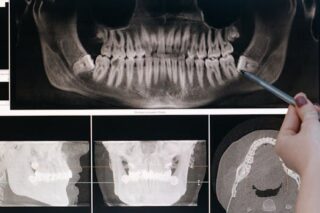
Tooth decay odor can be an embarrassing and persistent problem, affecting not just oral health but also social interactions and self-esteem. Understanding the connection between oral hygiene and breath can help in identifying effective solutions. While many people are familiar with the basics of oral care, such as brushing and flossing, the underlying causes of unpleasant breath often remain misunderstood. In this article, we will delve into the causes of tooth decay odor, how it can impact your breath, and potential solutions to help manage the problem.
What Causes Tooth Decay Odor?
The primary cause of tooth decay odor is the buildup of bacteria in the mouth. When sugars and carbohydrates are consumed, they interact with bacteria to form acids that can erode tooth enamel, leading to cavities. This acidic environment allows certain bacteria to thrive, producing sulfur compounds that contribute to bad breath. Other factors that may exacerbate the odor include dry mouth, smoking, and certain medications that reduce saliva production.
Tooth decay can be silent until it becomes severe, often presenting with odor as one of the few noticeable symptoms. Therefore, it is essential to maintain regular dental check-ups to catch and address decay early. Smoking or consuming foods known for lingering odors can also worsen the situation, making your breath smell distinctly unpleasant.
Preventing and Treating Tooth Decay Odor
Treating tooth decay odor involves a combination of professional and home care strategies. Regular dental visits ensure that any cavities are filled and dental cleanings are performed to remove plaque and tartar buildup. Your dentist might also recommend specific mouthwashes or toothpastes designed to kill the odor-causing bacteria.
- Maintain a rigorous oral hygiene routine, brushing at least twice a day and flossing daily.
- Hydrate regularly to promote saliva production, which naturally cleanses the mouth.
- Use antimicrobial mouthwashes that target bacteria responsible for bad breath.
Some dietary changes can also help combat tooth decay odor. Limiting sugary and acidic foods, increasing water intake, and including crunchy fruits and vegetables can contribute to better oral health. Quitting smoking and moderating alcohol consumption are important lifestyle changes that significantly improve breath quality.
When To Consult a Professional
If you notice persistent tooth decay odor despite good oral care, consulting a dentist is crucial. They can determine if there is an underlying oral health issue that requires treatment. In rare cases, bad breath may be symptomatic of a more significant health issue beyond oral hygiene.
In addition to dental consultations, it may be valuable to explore related lifestyle factors. Addressing habits such as tobacco use might improve both breath and overall well-being. For support with these lifestyle changes, you might find it helpful to read about breaking addictive cycles.
Additional Resources
For further reading on oral health and its impact on overall well-being, you can explore comprehensive guides from reliable sources. For a general understanding of health-related topics, the Wikipedia page on health is a useful starting point.
Finally, remember that addressing tooth decay odor is part of a broader commitment to oral hygiene and overall health. By taking proactive steps and consulting with professionals as needed, it is possible to manage and improve breath quality effectively.
- Tooth decay odor is primarily caused by bacterial buildup leading to sulfur compound production.
- Maintaining oral hygiene and regular dental visits are essential to managing bad breath.
- Dietary and lifestyle changes can support better oral health.
- Persistent bad breath may indicate the need for a professional dental consultation.
FAQs
What are the main causes of tooth decay odor?
The main causes of tooth decay odor are the buildup of bacteria in the mouth, sugar consumption, and conditions like dry mouth that allow bacteria to proliferate.
How can I prevent bad breath from tooth decay?
Prevention involves maintaining excellent oral hygiene, regular dental visits, staying well-hydrated, and using antimicrobial mouthwash. Dietary changes and avoiding smoking also help.
Could my bad breath indicate a more serious health issue?
In some cases, persistent bad breath can be a sign of systemic conditions or ailments beyond dental issues, necessitating a professional evaluation.
Are there any home remedies for managing tooth decay odor?
Drinking plenty of water, chewing sugar-free gum, eating crunchy fruits and vegetables, and using a tongue scraper can help manage tooth decay odor at home.
When should I see a dentist about bad breath?
You should see a dentist if you experience persistent bad breath that doesn’t improve with standard oral hygiene practices, as it may indicate a dental issue requiring professional treatment.
Other Articles You May Find of Interest...
- 5 Best Toothpastes for Plaque Removal: Why Your Current Toothpaste Isn’t Cutting It
- How to Choose the Right Toothpaste for Your Family’s Dental Needs
- How to Choose the Right Dentist for Your Family in Toronto
- How Dental Nutrition Supplements Support Strong Teeth And Gums
- Braces Treatment Options and Their Benefits Explained
- How Cosmetic Dentistry in Naples Transforms Smiles and Confidence
- What to Do if You’re Missing a Tooth: Solutions and Health Impacts



