More Dental Health Articles
Is Sedation Dentistry in Apex NC Safe for Patients
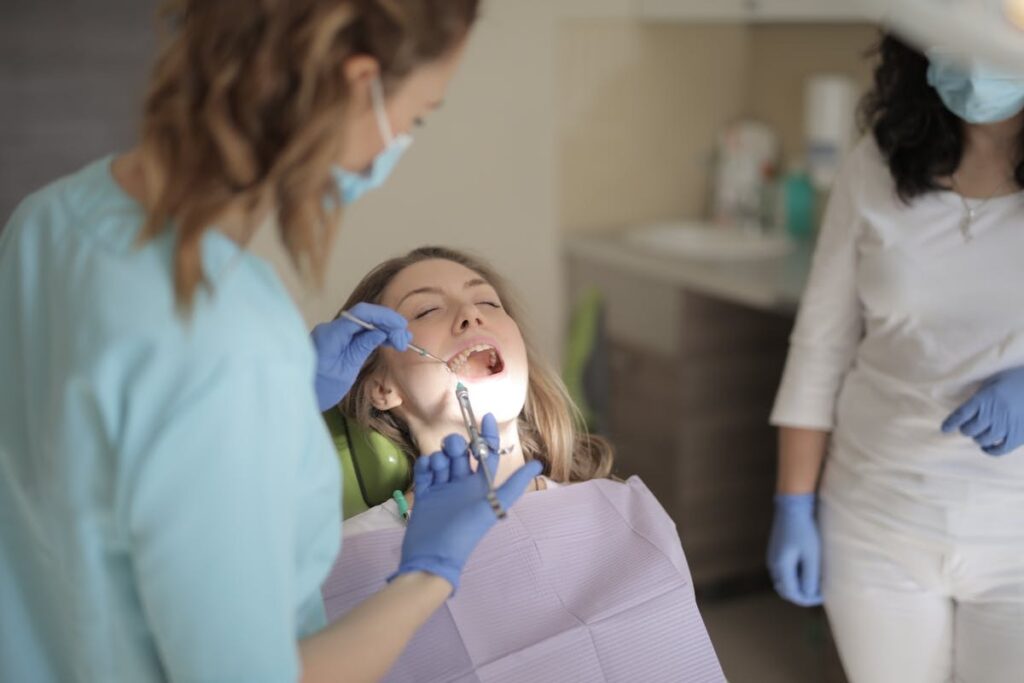
Dental anxiety affects roughly 36% of the population according to the American Dental Association’s 2024 patient surveys, with another 12% experiencing severe dental phobia that prevents them from seeking necessary care. In Apex, NC, where rapid population growth has brought diverse patient needs and varying comfort levels with dental procedures, sedation dentistry has emerged as a critical tool for ensuring comprehensive oral healthcare access. Yet behind the growing availability of sedation dentistry services lies a complex landscape of safety considerations that many patients struggle to navigate.
The stakes extend beyond simple comfort. When dental anxiety prevents routine cleanings or necessary treatments, minor issues cascade into major health problems requiring more invasive interventions. For Apex residents weighing their options, understanding the safety profile of different sedation methods isn’t just about managing fear—it’s about making informed healthcare decisions that protect both immediate and long-term wellbeing. This guide examines the evidence behind sedation safety, clarifies common misconceptions, and provides the practical framework needed to evaluate sedation options with confidence.
Why Sedation Safety Is Important in Apex NC Dentistry
The rapid growth of the Research Triangle has transformed Apex from a small town into a thriving community where families often relocate from areas with different healthcare standards and expectations. This demographic shift has created unique challenges for dental practices serving patients who may have had vastly different experiences with sedation protocols elsewhere. Some arrive from regions where dental sedation was rare or poorly regulated, while others come from metropolitan areas where multiple sedation options were standard. These varying backgrounds contribute to confusion about what constitutes safe, appropriate sedation care.
North Carolina’s dental sedation regulations require specific training certifications and monitoring equipment that not all states mandate. Dental practices offering moderate sedation must maintain current ACLS certification, use continuous monitoring equipment, and document patient vital signs throughout procedures. These requirements, established after comprehensive safety reviews, create a regulatory framework that prioritizes patient protection over convenience or cost savings.
The community health implications extend beyond individual patient experiences. When residents delay or avoid dental treatment due to anxiety, the resulting complications often require emergency interventions that strain local healthcare resources. Emergency departments report seeing patients with severe dental infections that could have been prevented through routine care—situations that proper sedation protocols might have avoided entirely. Understanding these broader stakes helps explain why safety considerations matter not just for individual patients, but for the community’s overall health infrastructure.
How Common Sedation Types Differ in Safety and Use
Modern dental sedation encompasses several distinct approaches, each with specific safety profiles and clinical applications. The choice between methods depends on procedure complexity, patient medical history, anxiety levels, and the dentist’s training credentials. Understanding these differences helps patients make informed decisions about their care while setting realistic expectations for the sedation experience.
How Conscious Sedation Differs from General Anesthesia
Conscious sedation maintains the patient’s ability to respond to verbal commands and physical stimulation while reducing anxiety and discomfort. This approach preserves natural protective reflexes, including the ability to maintain an open airway and respond to breathing instructions. The patient remains awake throughout the procedure, though they may have limited memory of the experience afterward. This preservation of consciousness represents the fundamental safety advantage—the patient’s own reflexes provide a crucial backup system if any complications arise.
General anesthesia, by contrast, induces complete unconsciousness and requires artificial airway management. While necessary for complex oral surgeries, general anesthesia demands significantly more intensive monitoring and emergency preparedness. The patient cannot respond to commands or maintain their own airway, placing full responsibility for vital functions on the medical team. In dental settings, general anesthesia typically occurs only in hospital-based practices or oral surgery centers equipped with advanced resuscitation equipment and specially trained personnel.
The safety distinction becomes particularly important when considering patient risk factors. Individuals with sleep apnea, cardiac conditions, or respiratory issues face significantly higher risks under general anesthesia compared to conscious sedation methods. For routine dental procedures, conscious sedation provides effective anxiety management while maintaining the body’s natural protective mechanisms.
Safety Profiles of Nitrous Oxide, Oral, and IV Sedation
Nitrous oxide offers the most predictable safety profile among sedation options, with effects that begin and end rapidly as the gas concentration changes. The safety margin—the difference between effective and dangerous doses—is remarkably wide, making overdose nearly impossible during properly monitored administration. Patients remain fully conscious and can communicate throughout treatment, while the gas clears from the system within minutes of discontinuation. This rapid reversal allows patients to drive themselves home and return to normal activities immediately.
Oral sedation using medications like triazolam or lorazepam provides deeper relaxation but requires more careful timing and dosing. The onset is slower and less predictable than nitrous oxide, with peak effects occurring 30-60 minutes after ingestion. While effective for moderate anxiety, oral sedation presents challenges in dose adjustment once the medication is absorbed. Patients may experience prolonged effects lasting several hours, requiring transportation assistance and extended monitoring periods.
IV sedation allows precise control over sedation depth through continuous medication adjustment, making it ideal for longer procedures or patients requiring deeper relaxation. The intravenous route provides immediate onset and the ability to modify effects throughout treatment. However, IV sedation requires advanced training certifications and continuous monitoring equipment, as the deeper sedation level approaches the threshold where protective reflexes may become impaired. Recovery times are typically longer than nitrous oxide but more predictable than oral methods.
What Risks and Misconceptions Surround Dental Sedation
Patient concerns about sedation safety often stem from misconceptions amplified by media coverage of rare but serious complications. These fears, while understandable, can prevent individuals from accessing beneficial treatments that would improve both their dental health and overall quality of life. Separating evidence-based risks from unfounded fears requires examining both the actual safety data and the clinical protocols designed to minimize complications.
Common Misconceptions About Sedation Safety
Many patients believe that any form of sedation carries the same risks as general anesthesia, leading them to avoid even mild sedation options that could significantly improve their treatment experience. This misconception often develops from news reports about sedation-related complications that fail to distinguish between different sedation levels or the specific circumstances that contributed to adverse outcomes. In reality, conscious sedation methods used in dental offices have safety profiles more comparable to taking prescription anxiety medication than to surgical anesthesia.
Another persistent myth suggests that patients can become “addicted” to dental sedation after a single use. While the medications used do have abuse potential when taken recreationally, the controlled clinical setting and infrequent use patterns in dental care present minimal addiction risk. The greater concern lies with patients who avoid necessary dental treatment due to fear, leading to deteriorating oral health that requires increasingly complex interventions.
The fear of “not waking up” from dental sedation reflects confusion about consciousness levels during different sedation types. Under conscious sedation, patients don’t actually lose consciousness—they remain responsive throughout the procedure, even if they have limited memory afterward. This persistent responsiveness means the dramatic “waking up” scenario simply doesn’t apply to most dental sedation experiences.
Patient Safety Measures and Monitoring During Sedation
Comprehensive patient evaluation begins before any sedation is administered, with medical history reviews that identify risk factors requiring special precautions or alternative approaches. Conditions like sleep apnea, heart disease, liver dysfunction, or current medications can all influence sedation safety, necessitating dose adjustments or different sedation methods. This pre-procedure assessment serves as the first line of protection against complications.
During sedation procedures, continuous monitoring tracks vital signs including blood pressure, heart rate, oxygen saturation, and respiratory rate. Modern monitoring equipment provides real-time alerts if any parameter moves outside safe ranges, allowing immediate intervention before problems become serious. The monitoring intensity scales with sedation depth—nitrous oxide requires basic observation, while IV sedation demands continuous electronic monitoring with documented vital signs every few minutes.
Emergency preparedness represents the final safety layer, with staff trained in sedation complications and reversal agents readily available. Flumazenil can reverse benzodiazepine effects within minutes, while oxygen and basic life support equipment remain immediately accessible. Most importantly, sedation-trained dentists maintain current certification in advanced cardiac life support, ensuring they can respond effectively to medical emergencies that might arise during treatment.
How Sedation Affects Patient Recovery and Anxiety Control
The benefits of dental sedation extend far beyond the immediate procedure, influencing both short-term recovery and long-term oral health outcomes. Patients who receive appropriate sedation often experience less post-procedure discomfort, reduced inflammation, and improved healing compared to those who endure treatment while highly anxious. The physiological stress response triggered by severe anxiety can actually impair tissue healing and immune function, making effective anxiety management a medical necessity rather than a luxury.
Sedation’s impact on pain perception creates a particularly valuable advantage for complex procedures. While sedation doesn’t replace local anesthesia for pain control, it significantly reduces the patient’s awareness and memory of uncomfortable sensations like pressure, vibration, and positioning challenges. This psychological benefit often proves as important as the physical comfort, especially for patients whose previous negative dental experiences created lasting trauma associations.
The anxiety management component addresses both immediate and long-term oral health goals. Patients who successfully complete necessary treatments under sedation often report reduced dental anxiety for future appointments, even when sedation isn’t used. This positive conditioning helps break the cycle of avoidance that leads many adults to neglect routine care until emergency interventions become necessary. For individuals seeking sedation dentistry services in Apex, the psychological benefits can prove as valuable as the immediate comfort improvements.
Recovery patterns vary significantly based on sedation method and individual patient factors. Nitrous oxide patients typically feel normal within minutes, while those receiving oral or IV sedation may experience grogginess for several hours. Understanding these recovery timelines helps patients plan appropriately for transportation, work schedules, and post-procedure care requirements. Proper planning prevents complications and ensures patients can focus on healing rather than managing unexpected side effects.
Choosing and Preparing for the Right Dental Sedation Method
Selecting appropriate sedation requires honest assessment of both anxiety levels and procedure requirements. Minor cleanings or fillings may need only nitrous oxide, while root canals or multiple extractions might benefit from oral or IV sedation. The key lies in matching sedation depth to actual needs rather than defaulting to the strongest available option. Over-sedation creates unnecessary risks and recovery complications, while under-sedation fails to provide adequate comfort for successful treatment completion.
Medical history considerations play a crucial role in sedation selection, with certain conditions favoring specific methods. Patients with gastroesophageal reflux may find oral sedation uncomfortable, while those with needle phobias might prefer oral medication over IV placement. Age, weight, medication interactions, and previous sedation experiences all inform the decision-making process.
Pre-procedure preparation varies by sedation type but universally includes dietary restrictions and transportation arrangements. Most sedation protocols require fasting for several hours before treatment to prevent aspiration complications. Patients should arrange reliable transportation and avoid important decisions or activities for the remainder of the day. Understanding these requirements in advance prevents last-minute complications that could force procedure cancellation.
The relationship between patient and provider becomes particularly important when sedation is involved. Open communication about fears, previous experiences, and expectations helps ensure the chosen method aligns with individual needs and comfort levels. Patients should feel confident asking questions about monitoring protocols, emergency procedures, and expected recovery timelines before consenting to any sedation option.
For Apex residents navigating these decisions, the availability of multiple qualified providers creates opportunities to find practitioners whose sedation philosophy and safety protocols align with personal preferences and medical needs. The investment in proper evaluation and preparation pays dividends in both immediate comfort and long-term oral health outcomes.
Other Articles You May Find of Interest...
- Why Your Teeth May Look Healthy but Still Need Dental Attention
- What Goes Into Developing an Alcohol-Free Mouthwash Beyond the Ingredient List
- 6 Best Dentist Options in Reston, Virginia for Family, Cosmetic, and Emergency Care
- Why Comprehensive Dental Care Matters at Every Stage of Life
- Why Preventive Dental Care Matters at Every Stage of Life
- Colored Braces: A Practical Guide for Teens and Parents in the UAE
- Brushing Teeth for Kids: Secrets to Making Healthy Habits Actually Stick