






Your Health Magazine Contributor
4201 Northview Drive
Suite 102
Bowie, MD 20716
More Dental Health Articles
How Teeth Whitening Certification Helps Therapists Avoid 5 Common Procedural Mistakes
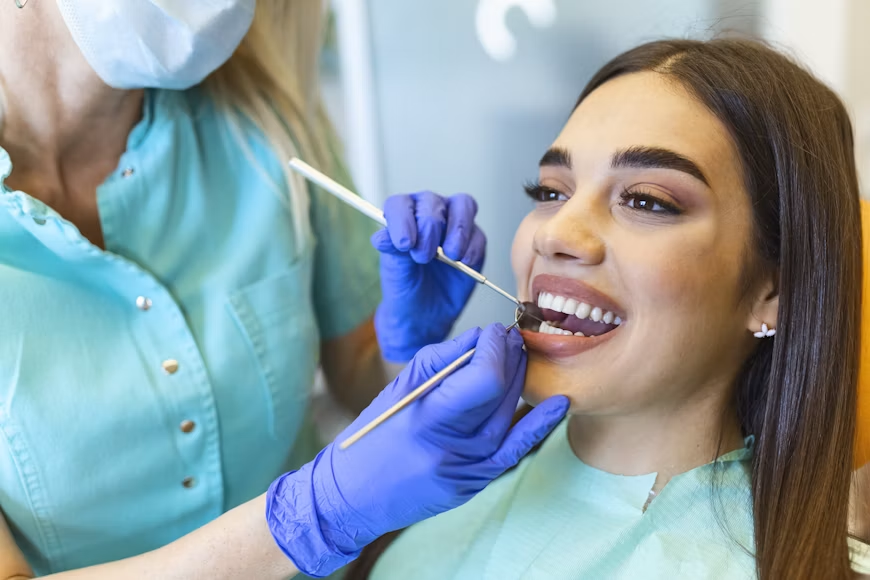
Teeth whitening certification helps therapists follow a careful process from the first client question to the final aftercare instructions. It gives them a chance to learn how to use products, where problems can arise, and when a client should see a dentist.
Those details are easy to overlook when whitening seems like a straightforward cosmetic service. A client may have sensitive teeth, visible dental work, or a concern they don’t mention until the appointment begins. Training helps therapists respond thoughtfully instead of simply moving to the next step.
1. Starting Without a Proper Client Screening
A client’s smile may look healthy, but appearance alone does not tell the whole story. Before treatment, therapists should ask about existing sensitivity, allergies, recent dental procedures, and any pain or gum concerns.
Screening is also an opportunity to ask what the client hopes to change. If they describe a single dark tooth, persistent pain, or another concern that needs diagnosis, a dental assessment is the appropriate next step. A teeth whitening certification program can help therapists practice recognizing these situations and staying within their professional scope.
2. Applying Too Much Whitening Gel
Using extra gel may seem like a way to improve the result, but it can spread onto the gums. Peroxide-based whitening products can cause temporary gum irritation and tooth sensitivity, especially when they are applied incorrectly.
Therapists need to know how much of a specific product to use and how to protect surrounding tissue according to the product’s instructions. They should also check on the client during treatment. If the client reports burning or unusual discomfort, the response should be prompt, not delayed until the timer finishes.
3. Treating Every Product the Same Way
Whitening gels can differ in their ingredients, concentrations, application methods, and recommended contact times. A therapist who relies on memory from a different product may use the wrong amount or leave the gel on for too long.
A teeth whitening course can teach therapists to work from the directions for the product in front of them. Checking the instructions each time is especially useful when a clinic changes suppliers, introduces a new gel, or offers more than one type of whitening treatment.
4. Setting Unrealistic Expectations
Clients sometimes expect every tooth to become the same bright shade after one visit. Results vary, and crowns, veneers, and tooth-colored fillings do not whiten like natural teeth. If a client has dental work near the front of their mouth, a color difference may become more noticeable after treatment.
A clear conversation beforehand can prevent disappointment. Therapists can explain what the treatment is intended to do, discuss the limits of cosmetic whitening, and avoid promising an exact shade change. When a client wants to match existing restorations, they should speak with a dentist about their options.
5. Ending the Appointment Without Clear Aftercare
A client may understand the instructions during an appointment but forget them by the time they get home. Brief, written aftercare directions make it easier to remember what to expect and whom to contact with a concern.
Therapists should explain any product-specific guidance, discuss possible temporary sensitivity, and make room for questions. They should also tell clients to seek dental advice if discomfort is significant or does not settle. A consistent handoff helps clients understand their treatment and gives the therapist a clear record of the guidance provided.
Other Articles You May Find of Interest...
- What to Expect at Your Child’s First Dental Visit
- How Teeth Whitening Certification Helps Therapists Avoid 5 Common Procedural Mistakes
- 6 Joliet Dentists to Consider for Your Oral Health Needs
- How to Choose a Dentist in Woodbridge, VA After Moving
- Ten Benefits Of Ceramic Dental Implants
- Dentistry in Houston: Finding the Right Care in a City Full of Choices
- Partial Dentures Explained: Removable, Flexible and Implant-Supported Options




