






More Dental Health Articles
How Often Should You Really Visit the Dentist for Preventive Care
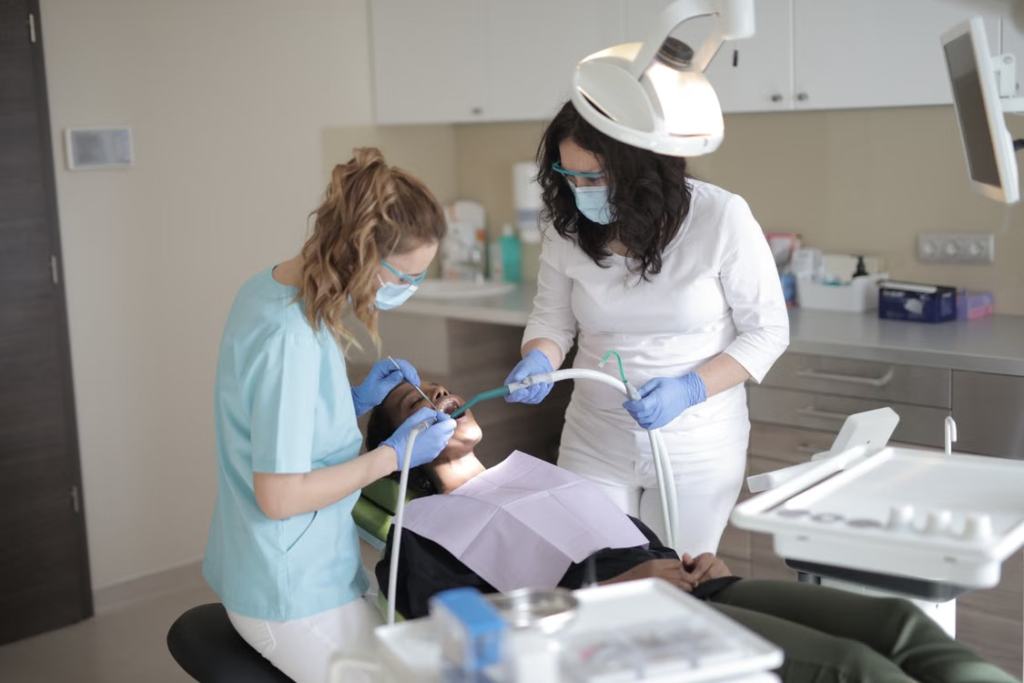
According to the American Dental Association’s 2024 guidelines, adults with good oral health need professional cleanings every six months — yet this one-size-fits-all recommendation ignores the reality that individual risk factors can dramatically shift that timeline. Some people with excellent home care and low decay risk might safely extend visits to nine months, while others dealing with gum disease or dry mouth conditions may need quarterly appointments to prevent serious complications.
The traditional six-month standard emerged decades ago when dental understanding was more limited, but modern preventive dentistry has become far more personalized. Today’s approach considers your specific risk profile, from genetics and medical conditions to lifestyle factors and past dental history. For families trying to balance dental health with busy schedules and healthcare budgets, understanding what actually drives the need for professional care can help you make smarter decisions about timing — and avoid both under-care that leads to expensive problems and over-care that wastes time and money.
The key lies in understanding how effective preventive measures work together to reduce your actual need for dental intervention, and recognizing the warning signs that suggest you need professional attention sooner rather than later.
How Preventive Dentistry Reduces Dental Visits and Treatment Needs
The most effective preventive dentistry creates a cascade effect: better daily habits reduce plaque buildup, which prevents cavities and gum inflammation, which means fewer urgent appointments and less frequent professional intervention. Consider someone who masters proper flossing technique and uses fluoride toothpaste consistently — their six-month cleaning appointments typically involve minimal scraping and polishing, with the hygienist spending more time on prevention education than plaque removal.
This reduction happens through disrupting the bacterial process that causes most dental problems. Plaque biofilm forms continuously on teeth, but when removed within 24-48 hours through proper brushing and flossing, it never hardens into tartar or produces enough acid to demineralize enamel. People who maintain this disruption cycle effectively can often extend their cleaning intervals without increased decay risk.
The financial impact compounds over time. Research from dental insurance claims data shows that patients with consistent preventive care average 40% fewer restorative procedures over a five-year period compared to those who skip regular cleanings or delay treatment. A single crown can cost $1,200-$2,000, while five years of six-month cleanings typically costs under $1,000 — even without insurance.
However, the relationship isn’t linear. Missing just two consecutive professional cleanings can allow tartar buildup that requires more intensive removal, potentially causing gum irritation that takes months to resolve. The bacteria that cause gum disease are different from those that cause cavities, and they’re particularly aggressive once established below the gum line where home care can’t reach.
Professional cleanings also serve as early detection systems. Dentists can spot the chalky white spots that indicate early enamel demineralization — a reversible process when caught early with fluoride treatment. By the time you notice a cavity yourself, the tooth structure damage typically requires filling or more extensive restoration.
Key Preventive Strategies for Different Age Groups
The biological reality is that children and adults face fundamentally different oral health challenges, requiring distinct preventive approaches that influence how often professional care becomes necessary.
Preventive Dentistry for Children
Children’s teeth are more vulnerable to decay because their enamel is thinner and their eating patterns often involve frequent snacking — creating multiple daily acid attacks on tooth surfaces. The critical period occurs between ages 6-14 when permanent molars erupt with deep grooves that trap food particles beyond the reach of normal brushing.
Dental sealants represent the most impactful intervention during this window. Applied to the chewing surfaces of permanent molars, sealants create a smooth barrier that prevents bacteria from accessing the deep pits and fissures where most childhood cavities develop. Children with sealants typically need fewer emergency visits and experience significantly less tooth pain compared to those relying solely on brushing and fluoride.
Fluoride treatments at professional visits provide another layer of protection during the high-risk years. Professional-strength fluoride helps remineralize early decay spots and makes enamel more resistant to acid attacks. Children receiving regular fluoride treatments can often maintain longer intervals between cleanings once their cavity risk decreases in teenage years.
Parent supervision remains crucial until around age 8-10, when children develop the manual dexterity for effective plaque removal. Many families discover that seemingly careful brushers still miss the back molars consistently — areas where food accumulation can cause rapid decay progression between dental visits.
Preventive Dentistry Practices for Adults
Adult oral health shifts toward gum disease prevention as the primary concern, since periodontal problems become the leading cause of tooth loss after age 35. Unlike childhood cavities that develop quickly, gum disease progresses slowly and often painlessly until significant damage occurs.
Effective adult preventive care focuses on controlling the bacterial film along the gum line, where standard toothbrush bristles struggle to reach. This requires more sophisticated techniques than childhood cavity prevention: proper flossing angle to clean below the gum margin, interdental brushes for larger spaces, and sometimes antimicrobial mouth rinses for high-risk periods.
Adults with excellent gum health and no history of periodontal problems may safely extend cleaning intervals, particularly those who demonstrate consistent plaque control at home. However, factors like diabetes, smoking history, or genetic predisposition to gum disease necessitate more frequent monitoring — sometimes quarterly cleanings to prevent bacterial overgrowth in periodontal pockets.
Tooth sensitivity becomes another adult-specific concern that influences preventive strategies. Many adults develop exposed root surfaces from gum recession or enamel wear, creating areas vulnerable to decay and discomfort. These patients benefit from specific toothpaste formulations and more frequent fluoride applications to maintain comfort and prevent root cavities, while incorporating keeping your teeth healthy naturally into their daily routine through proper nutrition and stress management.
The key difference from childhood preventive care lies in customization based on individual risk assessment rather than age-based protocols.
The Role of Professional Dental Visits and Cleanings in Prevention
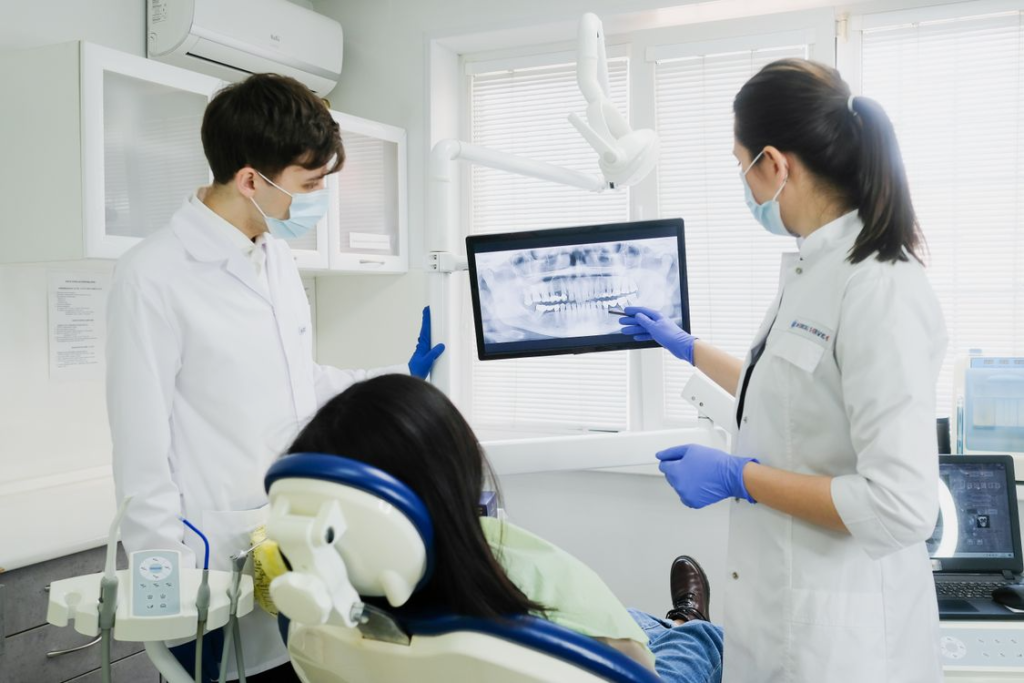
Professional dental appointments accomplish tasks that home care cannot replicate, regardless of how meticulous your daily routine. The primary value lies in tartar removal — hardened plaque that forms below the gum line and creates rough surfaces where bacteria accumulate rapidly.
During professional cleanings, dental hygienists use ultrasonic scalers and specialized instruments to access areas between teeth and under gum margins that remain unreachable with consumer products. This process disrupts mature bacterial colonies before they can cause irreversible gum attachment loss or bone damage around tooth roots.
The diagnostic component often proves more valuable than the cleaning itself. Dentists can detect early cavity formation using methods unavailable to patients: fiber-optic lights that reveal changes in tooth translucency, periodontal probing that measures gum pocket depths, and visual examination of areas impossible to see in mirrors. A cavity that’s 50% through the enamel may cause no symptoms but will inevitably progress to pain and infection without intervention.
Frequency timing matters more than many patients realize. Skipping appointments for 12-18 months allows bacterial communities to mature and organize into more aggressive forms. What starts as simple gingivitis — reversible gum inflammation — can progress to periodontitis, where bacterial toxins begin destroying the ligaments that hold teeth in their sockets. This progression is largely irreversible once established.
However, people with consistently excellent home care and no history of dental problems may safely extend intervals beyond six months. The decision should be based on individual risk assessment: patients who consistently have minimal plaque and tartar buildup, no bleeding during cleanings, and no new cavities over multiple visits may be good candidates for eight or nine-month intervals.
The risk calculation changes dramatically for anyone with diabetes, heart disease, or autoimmune conditions. These medical conditions can accelerate gum disease progression and increase infection risk, making more frequent professional monitoring medically necessary rather than just preventively beneficial.
Diet and Lifestyle Factors Affecting Dental Health and Decay Risk
Your eating patterns influence dental visit frequency more directly than most people realize, because they determine how often your teeth experience acid attacks throughout each day. Every time you consume carbohydrates — including natural sugars in fruits and starches in bread — oral bacteria produce acid that demineralizes tooth enamel for approximately 20-30 minutes.
Frequent snacking creates the highest decay risk, regardless of what you eat. Someone who sips a sports drink over two hours exposes their teeth to a constant acid bath, while someone who drinks the same amount in ten minutes allows their saliva time to neutralize the acid and begin remineralizing the enamel. This is why dental professionals often worry more about timing and frequency than specific food choices.
Sticky foods present particular challenges because they adhere to tooth surfaces and extend acid exposure time. Dried fruits, granola bars, and crackers can lodge between teeth for hours, creating localized areas of prolonged bacterial activity. These patients often need more frequent cleanings to prevent cavity formation in areas where food particles accumulate.
Saliva production significantly affects your prevention strategy. Many common medications — including antidepressants, antihistamines, and blood pressure drugs — reduce saliva flow, creating conditions where bacteria thrive and acid neutralization slows dramatically. Patients with chronic dry mouth may need fluoride supplements and more frequent professional cleanings to compensate for reduced natural protection.
Smoking creates a unique set of oral health challenges that accelerate the need for professional intervention. Tobacco use suppresses immune function in gum tissues, allowing bacterial infections to establish and progress more rapidly. Smokers typically require more frequent cleanings and closer monitoring for early signs of gum disease, since their bodies’ natural healing responses are compromised.
Alcohol consumption, particularly wine and beer, creates acidic conditions similar to frequent snacking while also potentially reducing saliva production. Heavy drinkers often develop multiple cavities quickly and may benefit from more aggressive fluoride protocols and shorter cleaning intervals.
Signs and Symptoms That Indicate You Should See a Dentist Sooner
Certain warning signals suggest your preventive care schedule needs immediate adjustment, regardless of when your next appointment was planned. Persistent gum bleeding during brushing or flossing indicates bacterial overgrowth that requires professional intervention — healthy gums should never bleed from normal home care.
Tooth sensitivity to temperature or sweet foods often signals enamel loss or gum recession that exposes vulnerable root surfaces. While not always urgent, these symptoms frequently worsen rapidly without professional evaluation and may indicate cavities forming in hard-to-see areas.
Changes in your mouth’s baseline conditions warrant prompt attention. If you notice persistent bad breath despite good oral hygiene, areas where food consistently gets trapped, or teeth that feel rough or chalky, these suggest bacterial activity or early decay that home care cannot address effectively.
Pain anywhere in your mouth represents a prevention failure requiring immediate care. Dental pain typically indicates infection or significant tissue damage — problems that become exponentially more expensive and complicated the longer they’re delayed. What might require a simple filling when caught early can progress to root canal treatment or tooth extraction within weeks.
Gum changes deserve particular attention: swelling, tenderness, or areas where gums appear to be pulling away from teeth suggest active bacterial infection. These conditions rarely resolve without professional treatment and can progress to serious complications affecting the bone that supports your teeth.
The most important insight for timing your dental care is that prevention works best as a continuous process rather than a crisis response. Pay attention to subtle changes in your mouth, maintain consistent daily care, and adjust your professional visit frequency based on your individual risk factors rather than arbitrary calendar schedules. When in doubt, earlier evaluation protects both your oral health and your budget more effectively than waiting to see if problems resolve on their own.
Other Articles You May Find of Interest...
- Why Your Teeth May Look Healthy but Still Need Dental Attention
- What Goes Into Developing an Alcohol-Free Mouthwash Beyond the Ingredient List
- 6 Best Dentist Options in Reston, Virginia for Family, Cosmetic, and Emergency Care
- Why Comprehensive Dental Care Matters at Every Stage of Life
- Why Preventive Dental Care Matters at Every Stage of Life
- Colored Braces: A Practical Guide for Teens and Parents in the UAE
- Brushing Teeth for Kids: Secrets to Making Healthy Habits Actually Stick





