






Your Health Magazine
4201 Northview Drive
Suite #102
Bowie, MD 20716
301-805-6805
More Dental Health Articles
Family Dental Care: Essential Tips for Maintaining Health Together

The statistics are sobering: children from families without established dental routines are three times more likely to develop severe tooth decay by age five, while adults in households that don’t prioritize oral health face 40% higher rates of gum disease and tooth loss. What’s more alarming? Recent research shows that poor family dental habits create cascading health effects—from increased risk of heart disease to reduced academic performance in children.
The landscape of family healthcare has shifted dramatically in recent years. Rising healthcare costs, increased awareness of preventive care benefits, and growing understanding of the mouth-body health connection have made family dental care a critical component of overall wellness strategy. Yet many families still approach dental health reactively, seeking care only when problems arise rather than building sustainable prevention routines.
This gap between knowledge and practice affects millions of families, creating unnecessary health complications and financial strain. The families thriving in today’s health-conscious environment have discovered something crucial: dental care works best as a coordinated family effort, not individual isolated actions. When families align their oral health practices, everyone benefits—from toddlers developing healthy habits to grandparents maintaining independence through better nutrition and confidence.
Here’s what the research reveals about transforming your family’s approach to dental health, and why the strategies that work focus on building sustainable systems rather than relying on sporadic dental visits.
What Is Family Dental Care and Why Is It Important?
Family dental care represents a comprehensive approach to oral health that treats the household as an interconnected health unit rather than a collection of individual patients. Unlike traditional dental care models that address each person’s needs in isolation, family dental care recognizes that oral health behaviors, risk factors, and outcomes ripple through family systems in predictable ways.
The foundation of effective family dental care rests on three interconnected principles: shared knowledge, coordinated prevention, and collective accountability. When one family member maintains excellent oral hygiene, it creates positive modeling and peer pressure for others. Conversely, when family members have different standards or approaches to dental care, inconsistencies undermine everyone’s efforts.
Consider how family meal planning affects dental health. A household that stocks sugary snacks and acidic beverages creates an environment where even the most diligent individual struggles to maintain optimal oral health. The family member trying to follow recommended dental nutrition guidelines faces constant temptation and social pressure. However, when families align their food choices around dental health principles—emphasizing calcium-rich foods, limiting sugar exposure, and timing meals strategically—everyone’s oral health improves naturally.
The importance extends beyond convenience to genuine health outcomes. Research from the Journal of Family Medicine demonstrates that families practicing coordinated dental care show 60% better long-term oral health outcomes compared to families where individuals manage their own dental health independently. Children in these families internalize healthy behaviors earlier and maintain them longer into adulthood.
Family dental care also provides economic advantages that individual approaches can’t match. Preventive care coordination reduces duplicate treatments, maximizes insurance benefits, and creates economies of scale for professional cleanings and check-ups. More importantly, it dramatically reduces the likelihood of expensive emergency dental treatments that strain family budgets.
The systems approach reveals why family dental care matters: oral health behaviors are fundamentally social. The mouth reflects the environment we live in, the foods available to us, the stress levels in our household, and the health priorities our family establishes. Understanding this connection sets the stage for implementing coordinated care strategies that actually work in real family contexts.
How Does Family Dental Care Work for Effective Hygiene?
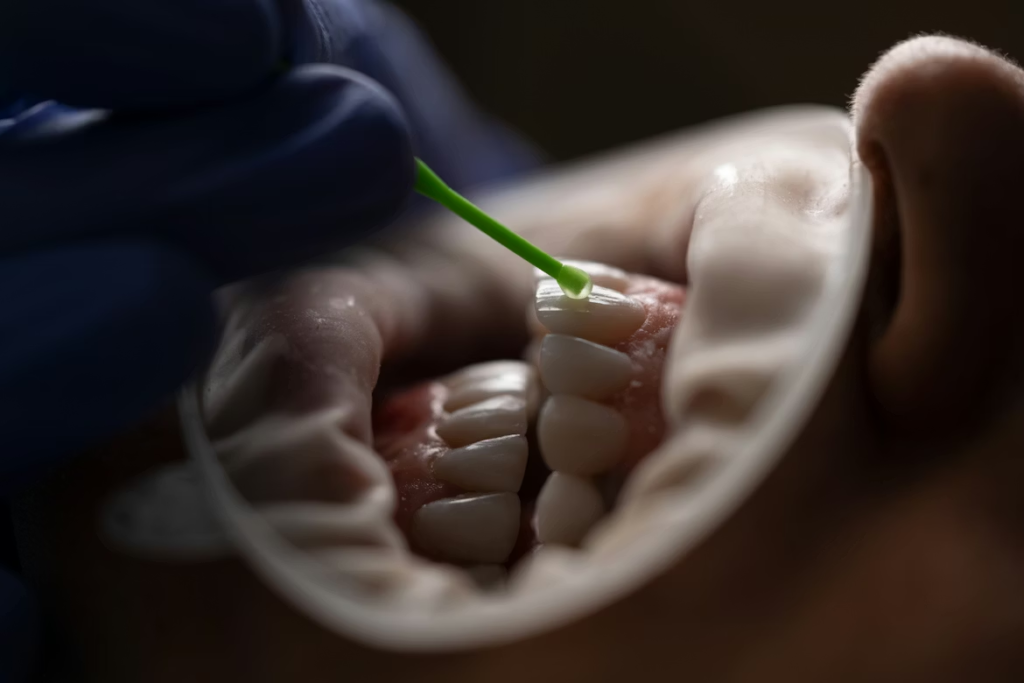
The mechanics of effective family dental hygiene center on creating synchronized routines that reinforce each other rather than competing for bathroom time or family attention. Successful families structure their approach around three core components: timing coordination, technique standardization, and environmental optimization.
Timing coordination solves one of the most practical challenges families face—ensuring everyone completes necessary dental care without rushing or skipping steps. The most effective approach involves establishing family dental sessions rather than leaving oral hygiene to individual schedules. This means creating specific times when family members brush together, particularly in the evening when the day’s food particles and bacteria need thorough removal.
The biological reasoning supports this approach. Bacterial growth in the mouth follows predictable patterns, with the most dangerous acid production occurring 20-30 minutes after eating. Families that coordinate their final meal times and follow with synchronized brushing and flossing sessions maximize the protective benefits of fluoride treatments while minimizing harmful bacterial activity overnight.
Technique standardization ensures that all family members receive the benefits of proper oral hygiene methods. Many families operate with different brushing techniques, flossing approaches, and product preferences, which creates inconsistent results and missed opportunities for peer learning. When parents demonstrate proper technique during family dental sessions, children learn through observation and practice, while adults can correct long-standing technique problems.
The fluoride component deserves special attention in family settings. Fluoride works most effectively when applied consistently and allowed proper contact time with teeth. Families benefit from coordinating fluoride application through shared timing of fluoride toothpaste use, fluoride rinses, and professional fluoride treatments. This coordination ensures optimal uptake while preventing overexposure in children.
Environmental optimization involves structuring the physical space and available products to support excellent dental hygiene. This includes ensuring adequate lighting in bathroom areas, providing step stools for children, organizing dental products for easy access, and maintaining clean, functional equipment. The environment should make good dental hygiene easier than poor dental hygiene.
Water quality plays a crucial role that many families overlook. Areas with naturally fluoridated water provide systemic benefits that support the topical fluoride from toothpastes and rinses. Families in non-fluoridated areas may need to coordinate supplemental fluoride strategies with their dental professionals to ensure optimal protection.
The routine becomes self-reinforcing when family members support each other’s compliance rather than each person managing their own consistency. This transforms dental hygiene from a solitary chore into a shared family value that builds habits naturally through social reinforcement.
Family Dental Care for Different Age Groups
Age-specific dental care within families requires understanding how oral health needs evolve while maintaining family-wide consistency in standards and expectations. The most successful families adapt their techniques to accommodate different developmental stages without compromising the overall family dental culture.
Children’s oral health protocols begin before the first tooth appears. Infant gum cleaning with soft cloths or finger brushes establishes the routine and oral comfort that makes later brushing cooperation much easier. Parents who wait until teeth emerge often face resistance to oral manipulation that could have been prevented through early introduction. The family dental routine should include infant oral care as a normal component, modeling the lifetime importance of daily oral hygiene.
Toddler dental care presents unique challenges that affect the entire family’s routine. The transition to fluoride toothpaste requires careful supervision to prevent swallowing while ensuring adequate cleaning. Successful families use this transition as an opportunity to reinforce technique for all family members. When parents demonstrate proper brushing technique for toddlers, older children often discover they’ve been using incorrect methods for years.
The fluoride question becomes complex with multiple children of different ages. Families need coordinated strategies for providing age-appropriate fluoride exposure without creating confusion or unsafe practices. This typically involves designated toothpastes for different age groups and clear protocols for supervision and assistance.
School-age children benefit from increased independence within maintained family standards. This includes learning to assess their own oral hygiene effectiveness while still participating in family dental sessions for peer learning and quality control. The most effective approach involves gradual independence with periodic family technique reviews.
Adolescent dental care often challenges family coordination as teenagers assert independence and face increased social pressures around appearance. However, families that have established strong dental cultures find that teenagers maintain better oral hygiene habits during this challenging period. The key involves connecting oral health to adolescent priorities like appearance, athletic performance, and social confidence.
Senior family members require adapted techniques that account for physical changes like arthritis, vision changes, or medication effects on oral health. Successful family dental care includes accommodations like electric toothbrushes, floss holders, or specialized techniques that allow older family members to maintain independence while benefiting from family support and accountability.
Special needs family members may require individualized approaches that integrate with family routines rather than operating separately. This often involves adapting timing, techniques, or products while maintaining the social benefits of family dental care participation. The goal remains consistent: ensuring that every family member receives optimal oral health care within a supportive family environment.
The age-specific adaptations work best when they strengthen rather than fragment the family’s overall dental care approach. Each family member’s needs contribute to everyone’s understanding of oral health complexity and the importance of lifelong attention to dental care.
Best Practices and Routines in Family Dental Care
Establishing sustainable family dental routines requires balancing evidence-based oral health practices with real family logistics and individual preferences. The families achieving the best long-term outcomes focus on consistency over perfection, building systems that family members can maintain even during busy periods or schedule disruptions.
The twice-daily brushing standard provides the foundation, but effective families enhance this through strategic timing and technique coordination. Morning brushing should occur after breakfast when possible, allowing fluoride protection during the day when teeth face acid exposure from foods and beverages. Evening brushing becomes the family’s primary defense against overnight bacterial growth, making this session the most important for thoroughness and fluoride contact time.
Flossing coordination presents practical challenges that successful families solve through shared timing and mutual assistance. Young children require adult help with flossing until they develop the dexterity for effective technique, typically around age 10-12. However, families that make flossing a shared activity rather than an individual requirement find better compliance across all family members. Parents helping children floss often discover they’re more consistent with their own flossing when it’s part of a family routine rather than a solitary task.
Product selection strategies can optimize family dental outcomes while managing costs and preferences. Families benefit from coordinating around products that meet everyone’s needs rather than maintaining different systems for each family member. This typically involves selecting fluoride toothpastes appropriate for the youngest user, electric toothbrushes that improve technique for all users, and mouth rinses that provide additional protection for higher-risk family members.
Nutrition coordination amplifies the benefits of good oral hygiene by reducing the bacterial challenge that teeth and gums face throughout the day. Families that plan meals and snacks around dental health principles—limiting frequency of sugar exposure, emphasizing protective foods like cheese and vegetables, and timing eating for optimal oral health—create environments where good dental hygiene can be maximally effective.
The calcium and phosphorus content in family meals directly supports tooth remineralization processes that repair early decay and strengthen tooth enamel. Families incorporating dairy products, leafy greens, and nuts into regular meals provide systemic support for oral health that complements topical fluoride treatments.
Hydration strategies also support family dental health, particularly in areas with fluoridated water systems. Encouraging water consumption throughout the day helps rinse away food particles and bacteria while providing ongoing fluoride exposure. Families that replace sugary beverages with water as the primary drink choice dramatically reduce acid production in family members’ mouths.
Professional care coordination allows families to maximize the benefits of dental visits while managing scheduling and costs efficiently. Many successful families schedule consecutive appointments or family appointment blocks that make visits more convenient while ensuring no family member postpones needed care due to scheduling conflicts. Partnering with an experienced family-focused provider such as Lach Dental Specialists Powered by Sonrisa can further streamline this process by offering comprehensive services under one roof, making it easier to maintain consistent, high-quality care for every generation of the household.
The routine becomes sustainable when it integrates naturally with existing family patterns rather than requiring major lifestyle changes. Families that build dental care into established routines like bedtime preparation or morning preparation find much better long-term compliance than families that treat dental care as a separate activity requiring special motivation.
Challenges and Access Issues in Family Dental Care
Despite the clear benefits of coordinated family dental care, significant barriers prevent many families from implementing or maintaining effective oral health routines. Understanding these challenges reveals why individual motivation often proves insufficient and why systemic support makes the difference between success and failure.
Financial barriers represent the most immediate obstacle for many families. Dental insurance coverage varies significantly, with many policies providing minimal preventive care benefits and limited coverage for multiple family members. The upfront costs of establishing good family dental care—including appropriate toothbrushes, fluoride products, and professional cleanings—can strain family budgets, particularly when multiple children require care simultaneously.
The cost challenge extends beyond initial setup to ongoing maintenance. Families facing economic stress often prioritize immediate needs over preventive dental care, creating false economies that lead to expensive emergency treatments later. Children from lower-income families show dramatically higher rates of tooth decay and dental-related health problems, perpetuating cycles of poor oral health across generations.
Geographic access creates additional barriers, particularly for rural families or those in underserved urban areas. Limited availability of family dental practices means longer travel times, reduced appointment availability, and difficulty accessing emergency care when needed. Families in these areas often delay routine care until problems become severe, undermining the preventive approach that makes family dental care most effective.
Cultural barriers can conflict with family dental care recommendations, particularly around dietary practices, fluoride use, or professional care utilization. Some cultural traditions emphasize different approaches to oral health that may conflict with evidence-based recommendations. Successful family dental care implementation requires culturally sensitive approaches that respect family values while promoting effective oral health practices.
Language barriers compound access difficulties for many immigrant families who struggle to navigate dental care systems, understand treatment recommendations, or communicate effectively with dental professionals. These families often rely on emergency dental services rather than preventive care, missing opportunities for family dental education and routine care that prevents serious problems.
Time constraints present practical challenges for busy families juggling work, school, and other responsibilities. Coordinating family dental routines requires time and attention that competes with other family priorities. Single-parent families face particular difficulties implementing comprehensive family dental care without additional support systems.
Educational barriers affect families’ ability to implement effective oral health practices even when access and resources are available. Many families lack understanding of the scientific basis for dental care recommendations, leading to inconsistent implementation or abandonment of practices when immediate benefits aren’t visible. The delayed nature of oral health consequences makes it difficult for families to connect daily practices with long-term outcomes.
Special needs considerations create additional complexity for families supporting members with developmental disabilities, chronic illnesses, or physical limitations that affect oral health care. These families often need specialized techniques, equipment, or professional support that standard family dental care approaches don’t address.
The cumulative effect of these barriers creates dental health disparities that affect entire communities. Families facing multiple barriers often experience compounding problems that make family dental care seem unrealistic rather than beneficial. However, communities that address these barriers systematically through public health programs, expanded insurance coverage, and targeted support for high-risk families see dramatic improvements in population oral health outcomes.
Understanding these challenges helps explain why individual education and motivation alone don’t solve family dental health problems. Effective solutions require addressing systemic barriers while providing families with practical strategies for implementing excellent oral health care within their specific circumstances and constraints.
Long-Term Benefits and Impact of Consistent Family Dental Care
The long-term benefits of consistent family dental care extend far beyond the mouth, creating positive health cascades that affect cardiovascular health, immune function, nutritional status, and even family relationships and economic stability. Families that maintain coordinated oral health practices for years see benefits that compound over time, creating advantages that extend across generations.
Cardiovascular health improvements represent one of the most significant long-term benefits of excellent family oral health. The connection between gum disease and heart disease affects entire family health profiles, particularly for family members with genetic predispositions to cardiovascular problems. Families maintaining excellent oral hygiene show reduced inflammatory markers associated with heart disease risk, while poor family oral health contributes to systemic inflammation that affects multiple family members’ cardiovascular health.
The immune system benefits create family-wide health improvements that reduce illness frequency and severity. Chronic oral infections place continuous stress on immune systems, making family members more susceptible to respiratory infections, digestive problems, and other health challenges. Families with excellent oral health show more resilient immune responses and reduced overall healthcare utilization.
Nutritional benefits emerge as family members maintain healthy teeth and gums that allow proper chewing and digestion of nutritious foods. Tooth loss and oral pain force dietary modifications that often reduce nutritional quality, creating cascading health problems. Families maintaining oral health throughout aging show better nutritional status and reduced risk of malnutrition-related health problems.
The psychological and social benefits of family dental care create positive feedback loops that strengthen family bonds while improving individual confidence and social interactions. Family members with healthy smiles report higher self-esteem, better social relationships, and improved performance in academic and professional settings. These benefits create family cultures that value health and self-care, influencing children’s lifelong health behaviors.
Economic benefits accumulate over years as families avoid expensive restorative dental treatments, reduce healthcare costs related to oral health complications, and maintain productivity through better overall health. The preventive investment in family dental care typically returns 3-5 dollars for every dollar spent through avoided treatment costs and improved health outcomes.
Educational outcomes improve for children in families prioritizing oral health, partly through reduced school absences due to dental problems and partly through the cognitive benefits of good nutrition and reduced chronic pain or infection. Children from families with excellent oral health show better academic performance and higher rates of educational completion.
The intergenerational transmission of oral health behaviors creates long-term benefits that extend beyond the immediate family. Children who grow up in families with excellent oral health practices carry these behaviors into their own families, creating positive health legacies that affect multiple generations. Conversely, families with poor oral health often see these problems perpetuated across generations without intervention.
Chronic disease management improves across multiple conditions when families maintain excellent oral health. Diabetes management becomes more effective when oral health reduces inflammatory stress on blood sugar control systems. Respiratory conditions improve when oral bacteria don’t contribute to airway inflammation. Autoimmune conditions show better control when oral health reduces systemic inflammatory triggers.
The social support benefits of coordinated family dental care create resilience during health challenges and family stress. Families that have developed habits of mutual health support through dental care routines often extend this support to other health challenges, creating family cultures that promote collective wellness rather than individual health management.
These long-term benefits reveal why family dental care represents an investment in family health capital that pays dividends across decades. The families that understand and implement coordinated oral health practices create health advantages that extend far beyond individual dental outcomes, building foundations for lifelong family wellness and resilience.
Future Trends and Innovations in Family Dental Care
The evolution of family dental care is being shaped by technological advances, changing healthcare delivery models, and growing understanding of the connections between oral health and overall family wellness. These developments promise to make effective family dental care more accessible, convenient, and personalized while maintaining the evidence-based principles that drive successful outcomes.
Teledentistry platforms are transforming how families access dental consultations and monitoring, particularly for routine check-ins and early problem identification. Families can now receive professional guidance on oral health concerns without scheduling office visits, making it easier to maintain consistent care relationships with dental professionals. These platforms particularly benefit families in rural areas or those with transportation challenges, expanding access to preventive guidance and early intervention.
Smart dental technology is entering family bathrooms through connected toothbrushes and monitoring systems that track technique, timing, and consistency across all family members. These devices provide real-time feedback on brushing effectiveness while generating data that families and dental professionals can use to optimize individual techniques and family routines. The gamification aspects particularly engage children while providing parents with objective measures of family oral hygiene compliance.
Artificial intelligence applications are being developed to analyze family oral health patterns and provide personalized recommendations for diet, technique, and professional care timing. These systems can identify risk factors specific to individual family members while suggesting coordinated family strategies that optimize everyone’s oral health outcomes.
Personalized oral health products based on genetic testing and microbiome analysis are becoming available, allowing families to customize their oral health approaches based on individual risk factors and biological characteristics. This personalization maintains family coordination while optimizing individual outcomes within coordinated family routines.
Community-based family dental programs are expanding to provide coordinated care for entire families within school, workplace, or community settings. These programs address access barriers while promoting family dental education and preventive care coordination. Mobile dental clinics specifically designed for family care are bringing comprehensive services to underserved communities.
Preventive care innovations include new fluoride delivery systems, probiotics designed to optimize oral microbiomes, and nutrition programs specifically designed to support family oral health. These developments expand the tools available to families while maintaining focus on proven preventive approaches.
Integration with overall healthcare systems is improving coordination between dental care and medical care for families, recognizing the connections between oral health and conditions like diabetes, heart disease, and pregnancy outcomes. This integration helps families understand oral health as part of comprehensive family wellness rather than an isolated concern.
Educational technology advances are making family dental education more engaging and accessible through interactive apps, virtual reality training for proper technique, and personalized learning programs that adapt to family members’ ages and learning styles. These tools support families in implementing and maintaining excellent oral health practices.
The future of family dental care points toward more personalized, accessible, and integrated approaches that maintain the fundamental principles of prevention, coordination, and family-centered care while leveraging technology to overcome traditional barriers. Families embracing these innovations while maintaining consistent evidence-based practices are positioned to achieve optimal oral health outcomes across all family members throughout their lives.
These trends suggest that the future will make excellent family dental care more achievable for more families, but the foundational principles of coordinated prevention, consistent routines, and mutual support will remain central to successful outcomes. The families that combine traditional evidence-based practices with emerging innovations are building oral health foundations that will serve them throughout decades of changing technology and healthcare delivery models.
Other Articles You May Find of Interest...
- Best Dental Experts in Knightsbridge for Modern Treatments
- Family Dental Care: Essential Tips for Maintaining Health Together
- Why Prioritizing Cosmetic Dental Care Matters for Your Smile
- Why Dental Implants Are Essential for Long-Term Oral Health
- How Long Should You Wear Retainers After Braces?
- Choosing the Right Mouthwash with Antifungal Properties for Optimal Oral Health
- Modern Wellness: How Ethical Consumer Choices and Advanced Dental Technology Are Shaping Personal Health




