






Your Health Magazine
4201 Northview Drive
Suite #102
Bowie, MD 20716
301-805-6805
More Dental Health Articles
Essential Oral Care Tips for a Healthy Smile
Your smile does a lot for you – it helps you eat, speak, and feel confident. Keeping it healthy does not have to be complex. With a few steady habits and simple tools, you can protect your teeth and gums every day.

Why Oral Care Matters
Plaque is a sticky film that forms after you eat or drink. If it is not cleared often, it hardens into tartar and irritates gums. Over time, that buildup raises the risk of cavities and bad breath.
Small problems grow when they sit too long. A public health summary reports that many adults carry untreated decay, which shows how easy it is to miss trouble until it hurts. Daily care keeps those issues in check and makes cleanings simpler.
Consistency beats intensity. Short, gentle routines work better than once-in-a-while scrubbing. Think of your mouth like a high-traffic hallway – quick tidying each day keeps it safe and easy to maintain.
Flossing Fundamentals
Floss reaches where your brush cannot. If you want a simple place to start, make sure to floss so food and plaque do not sit between teeth. Use a slow glide and curve into a C-shape along each tooth.
Be kind to your gums. Do not snap the floss straight down, and do not rush the motion. Slide under the gumline a little to sweep out the hidden edges.
Pick a tool that fits your fingers. Classic string, floss picks, or water flossers can all help. The best choice is the one you will use every day without dread.
How Much And How Often
Use enough floss to keep a clean section moving – about the length of your forearm is plenty. Wrap most around one finger and wind the clean line forward as you go. That way, you do not drag debris to the next spot.
Aim for once a day. Night is a smart time because you remove the day’s leftovers before sleep. Morning works too if that is when you can be consistent.
Keep it simple. Start with your front teeth, then move to the back. If you miss a day, get back on track the next one without guilt.
Should You Floss Before Or After Brushing
Order matters for results. A consumer health guide from Good Housekeeping notes it is best to floss first, then brush, so toothpaste can reach the fresh spaces you just cleared. That small switch helps fluoride coat more surface area.
Make it a rhythm. Floss, brush, then spit – no need to rinse right away. Leaving a thin film of toothpaste can help minerals soak in.
If you like to rinse, use a small sip of water. Swish gently and keep it brief. You want to keep the good stuff on your teeth, not wash it all down the drain.
Brushing Basics That Actually Work
Choose a soft-bristle brush and a pea-size dab of fluoride toothpaste. Hold the brush at a 45-degree angle to the gumline. Use short strokes and cover every surface.
Work in sections. Clean the outside, inside, and chewing surfaces of each tooth. Do not forget the backs of the front teeth.
Keep pressure light. Hard scrubbing does not mean cleaner teeth – it can wear enamel and irritate gums. Let time and technique do the work.
Timing And Touch
Brush for about 2 minutes. A simple way is to do 30 seconds for each quadrant. A timer on your phone makes this easy.
Wait a bit after acidic drinks. Give your enamel about 30 minutes to rebound before brushing. This helps avoid brushing while it is softened.
Replace your brush or head every 3 months. Swap sooner if bristles splay. Fresh bristles clean better and feel better.
What To Look For In Toothpaste And Tools
Pick tools that match your mouth. If your gums are sensitive, go softer. If you tend to rush, an electric brush can help with timing and even pressure.
- Fluoride toothpaste for cavity defense
- Soft or extra-soft bristles to protect gums
- Electric brush, if you want help with timing and pressure
- Floss picks or string floss for tight spaces
- Interdental brushes for wider gaps or around bridges
- Alcohol-free mouthwash for a gentle rinse
- Tongue cleaner to reduce odor-causing residue
Make Flossing Non-Negotiable
Brushing alone misses the tight areas between teeth. A practical overview from Healthline emphasizes that flossing every day is important for good oral hygiene. Think of floss as the partner that finishes what brushing starts.
Keep floss visible. Place it by your toothbrush, your desk, or your TV remote. The easier it is to grab, the more likely you are to use it.
Build a tiny ritual. Put on a song or set a short timer. Small cues make the habit stick without much effort.
Hydration, Diet, And Smart Snacking
Saliva is your mouth’s natural shield. Sipping water helps wash away debris and supports saliva so it can protect enamel. Keep a bottle nearby during the day.
Sugar feeds cavity-causing bacteria. Try to keep sweets to mealtimes so your mouth does not face a long sugar wave. Rinse with water after treats.
Look for balance, not perfection. Protein, fiber, and dairy give your teeth building blocks. Tasty snacks can still be friendly to your smile.
Snack Swaps That Help
- Crunchy fruits and veggies that boost saliva flow
- Cheese, yogurt, or nuts for tooth-friendly protein and minerals
- Sugar-free gum to stimulate saliva between meals
- Plain water instead of sports drinks or soda
When To See A Dentist
Home care and checkups work together. Professional cleanings remove hardened tartar that you cannot reach. Routine visits also catch small problems before they grow.
Do not wait for warning signs. Call sooner if you see bleeding gums, sudden sensitivity, or a chipped filling. Quick fixes are easier and cheaper.
Share updates about your health and meds. Your dentist can tailor care if you have dry mouth, braces, or implants. Small tweaks to your routine can make a big difference.
Know Your Risk And Adjust
Everyone’s mouth is different. Past cavities, dry mouth, or tight tooth spacing can raise your risk. Your plan should match your situation.
Add tools if you need them. Interdental brushes help with wider gaps. Fluoride rinses can support enamel if you often get decay.
If motivation dips, reset the goal. Aim for a clean mouth before bed for one week. Most habits stick once they feel easy and normal.
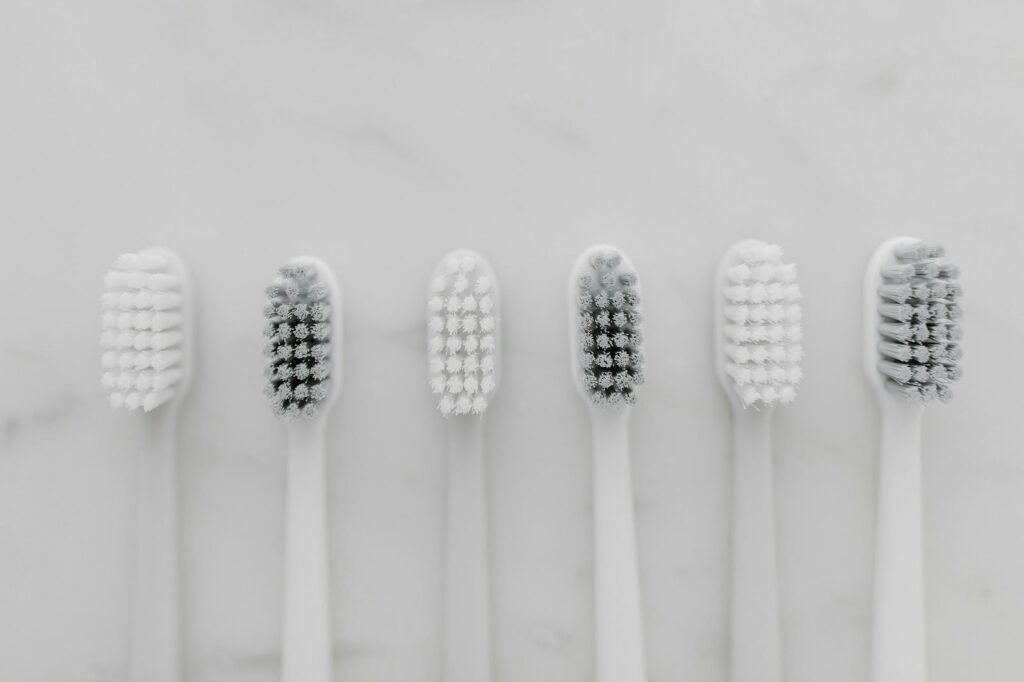
A healthy smile is built on small, steady actions you do most days. Keep your routine simple, pick tools that you will actually use, and stay consistent. Your future self will thank you every time you bite, chew, and grin with ease.
Other Articles You May Find of Interest...
- Natural Oral Care Products: A Practical, Holistic Approach to a Cleaner Mouth
- Discover the Healing Benefits of Magic Mouthwash and Its Key Ingredients
- Prestige Dentistry: Addressing Dental Anxiety and Dental Shame as Barriers to Care
- Relief and Recovery: How Long Does Wisdom Teeth Pain Last?
- Teeth Whitening, Veneers, and Bonding: Choosing the Right Cosmetic Treatment
- When Is It Time to Switch to a New Local Dentist?
- Benefits of Dental Implants and How They Improve Your Smile




