






More Dental Health Articles
Effective Solutions for Bad Breath: Discover the Best Mouthwash for Halitosis
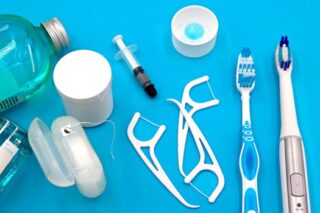
Bad breath, also known as halitosis, can be an embarrassing problem that affects your social and professional interactions. If you’re looking for a good mouthwash for halitosis, you’re in the right place. A mouthwash designed to combat bad breath can help maintain oral hygiene and confidence. Let’s explore some effective solutions.
Good Mouthwash for Halitosis
Selecting the right mouth rinse for bad breath involves more than choosing a pleasant flavor. The ingredients and formulation play a crucial role in fighting odor-causing bacteria. A good mouthwash for halitosis often includes antibacterial agents like chlorhexidine, cetylpyridinium chloride, or essential oils. These components work together to reduce bacteria concentrations and offer long-lasting freshness.
Key Ingredients in Mouthwash
When seeking a mouthwash for smelly breath, consider products with powerful ingredients.
- Chlorhexidine: Known for its antibacterial properties, chlorhexidine is particularly effective in reducing dental plaque and gingivitis, which are common causes of bad breath.
- Cetylpyridinium Chloride (CPC): This ingredient also targets the bacteria responsible for bad odors in your mouth, making it a vital component of mouthwashes designed to tackle halitosis.
- Essential Oils: Mouthwashes containing essential oils like eucalyptus, menthol, and thymol can be beneficial due to their inherent antimicrobial properties.
How to Use Mouthwash Effectively
Using your mouthwash correctly can maximize its benefits. Here are a few tips:
- Use After Brushing and Flossing: Mouthwash works best as a final step in your oral hygiene routine to reach places that might be missed by brushing and flossing alone.
- Rinse for the Recommended Time: Most mouthwashes come with instruction to rinse for at least 30 seconds to a minute. This ensures that the antibacterial agents have enough time to act on the bacteria.
- Consistent Use: Incorporate mouthwash use into your daily routine for ongoing protection against bad breath.
Additional Tips for Managing Bad Breath
While a good mouthwash for halitosis can be highly effective, consider these complementary strategies:
- Stay Hydrated: A dry mouth can exacerbate bad breath, so drinking plenty of water can help maintain saliva production and wash away food particles.
- Clean Your Tongue: Bacteria tend to thrive on the tongue, so gently brushing it can reduce odor-producing residues.
- Regular Dental Check-Ups: Visiting your dentist regularly ensures any underlying issues, like gum disease, are addressed promptly.
For more insightful health tips, you might want to explore our article on breaking the chains of addiction, which covers comprehensive wellness strategies.
To delve into more details about halitosis and its management, check out this informative resource.
Choosing the Best Mouthwash
Ultimately, the best mouthwash for your needs will depend on your oral health condition and personal preferences. If you have sensitive teeth or gums, consider alcohol-free options. Alternatively, if you prefer natural ingredients, look for a formula with essential oils.
Consult with your dentist for personalized recommendations, especially if you have chronic bad breath that’s resistant to over-the-counter solutions. Persistent halitosis can sometimes indicate underlying health issues, requiring professional evaluation.
Why Oral Hygiene Matters
Maintaining proper oral hygiene goes beyond using a mouthwash. Good practices can prevent dental problems, enhance self-esteem, and contribute to your overall well-being. Taking a proactive approach to oral care can make a significant difference in your life.
- Many mouthwashes contain antibacterial agents that help combat halitosis.
- Consistency is key—use mouthwash regularly for the best results.
- Complement mouthwash use with good dental hygiene practices.
- Seek professional advice if bad breath persists.
FAQs
Can mouthwash replace brushing and flossing?
No, mouthwash is not a substitute for brushing and flossing. It functions as a supplementary tool to enhance oral hygiene but should be used alongside and not replace basic dental care habits.
Is alcohol-based mouthwash better?
Alcohol-based mouthwashes can be effective in killing bacteria but might not be suitable for everyone, especially those with sensitive oral tissues. If you experience irritation, consider opting for alcohol-free alternatives.
How often should I use mouthwash?
For optimal results, use mouthwash twice a day after brushing and flossing your teeth. Adhering to this routine can significantly improve your oral health and freshness of breath.
Why do essential oils work in mouthwashes?
Essential oils such as eucalyptus or thymol possess natural antimicrobial properties that help reduce oral bacteria, freshen breath, and soothe the mouth without using synthetic chemicals.
When should I see a dentist about bad breath?
Consult a dentist if persistent bad breath continues despite good hygiene practices, as it may indicate underlying issues like gum disease or other health conditions requiring professional assessment.
Finding a good mouthwash for halitosis is an essential step towards achieving exceptional oral health and confidence in your daily interactions.




