






Your Health Magazine
4201 Northview Drive
Suite #102
Bowie, MD 20716
301-805-6805
More Dental Health Articles
Dental Solutions for Mild to Moderate Sleep Apnea
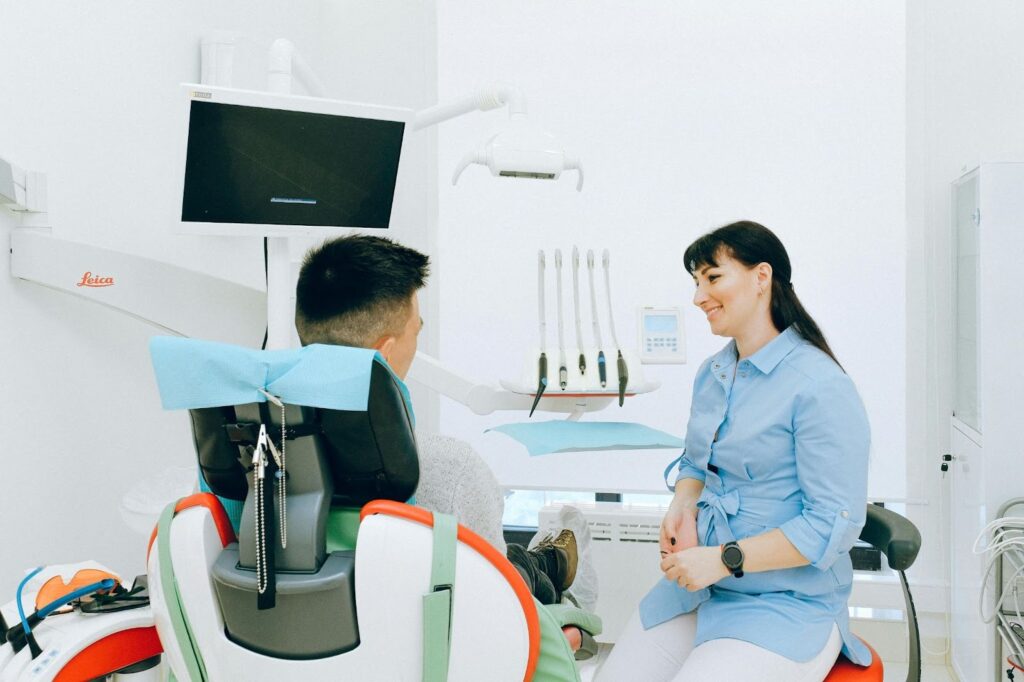
If you or a loved one is managing mild to moderate sleep apnea, dental solutions like custom-fitted oral appliances could be a viable option. These devices gently reposition your jaw or tongue to maintain an open airway during sleep, offering a non-invasive alternative to CPAP therapy. Understanding how these dental solutions work and their potential benefits could be your first step toward improved sleep quality and reduced snoring. Curious about how they stack up against other treatments?
Understanding Sleep Apnea and Its Impacts
Sleep apnea affects millions worldwide, yet its impacts are often underestimated. This disorder, characterized by interrupted breathing during sleep, significantly lowers your sleep quality. You might wake up multiple times a night without realizing it, leading to fragmented sleep that’s anything but restful. As a result, you experience reduced daytime fatigue when these interruptions are managed, allowing you to function better during the day. Understanding the importance of sleep quality enhancement is essential, as it directly influences your overall well-being, cognitive function, and mood. If left untreated, sleep apnea can contribute to more severe health issues, including cardiovascular problems. Prioritizing a thorough understanding of sleep apnea empowers you to seek effective solutions, enhancing both your nighttime rest and daytime alertness.
The Role of Dentistry in Sleep Apnea Management
While many may not associate dentistry with sleep disorders, the field plays an essential role in managing mild to moderate sleep apnea. As a patient, you should know that dental professionals are integral to identifying and addressing this condition. They often collaborate with sleep specialists to provide comprehensive care. Through detailed sleep apnea screening procedures, your dentist can help determine if you’re at risk. This includes evaluating your oral and facial structures, which might contribute to airway obstruction during sleep.
Dentists trained in sleep medicine will work closely with you to develop a personalized treatment plan. This collaborative approach guarantees that all aspects of your health are considered. By engaging with your dental team and exploring effective sleep apnea treatment in Charlotte, you’re taking a proactive step towards better sleep and overall well-being.
Custom-Fitted Oral Appliances: A Non-Invasive Option
When considering non-invasive solutions for mild to moderate sleep apnea, custom-fitted oral appliances offer a comfortable and effective alternative to CPAP machines. These devices are tailored to your unique dental structure, ensuring maximum comfort and efficacy. To maintain their effectiveness, regular cleaning and adherence to usage guidelines are essential.
Benefits of Oral Appliances
Many individuals seeking relief from mild to moderate sleep apnea find that custom-fitted oral appliances offer significant benefits as a non-invasive treatment option. These devices work by gently repositioning your jaw to maintain an open airway, resulting in improved sleep quality. With a noticeable reduction in snoring, you and your partner can enjoy a quieter, more restful night. Unlike CPAP machines, oral appliances are discreet and easy to use, making them a convenient choice for many. They’re custom-made to fit your mouth, ensuring ideal performance and comfort. By choosing a dental solution tailored to your needs, you’re taking an active step towards better health and well-being, minimizing the disruptions typically caused by sleep apnea symptoms.
Customization for Comfort
To guarantee ideal comfort and effectiveness, custom-fitted oral appliances are meticulously crafted to fit the unique contours of your mouth. This verifies that each device not only addresses your specific needs but also maximizes comfort during use. The process begins with a precise impression of your dental structure, allowing for accurate custom material selection. By choosing the right materials, your appliance remains sturdy yet flexible, providing a gentle fit that aligns with your individual requirements.
Personalized fit modifications are essential in achieving prime results. Throughout your journey, your dentist will make precise alterations to confirm the appliance fits securely without causing discomfort. This attention to detail helps prevent any potential irritation, ensuring you experience a restful night’s sleep while effectively managing mild to moderate sleep apnea.
Usage and Maintenance Tips
Although managing mild to moderate sleep apnea can feel challenging, custom-fitted oral appliances offer a convenient and non-invasive solution. To maximize their effectiveness, proper cleaning techniques are critical. Clean your appliance daily using a soft toothbrush and mild soap, avoiding toothpaste as it can be abrasive. After rinsing thoroughly, let it air dry completely to prevent bacterial growth.
When not in use, follow storage recommendations to maintain its shape and efficacy. Store your appliance in a ventilated container, away from direct sunlight and heat to preserve its material integrity. Regularly check for signs of wear and consult your dentist for adjustments if needed. This diligent care guarantees your appliance remains in prime condition, providing consistent relief from sleep apnea symptoms.
Exploring Mandibular Advancement Devices
When you’re considering mandibular advancement devices (MADs) for managing mild to moderate sleep apnea, it is vital to understand how they work, the benefits they offer, and their limitations. These devices function by gently repositioning your lower jaw to keep your airway open during sleep, which can drastically reduce apnea episodes and improve sleep quality. However, while MADs are effective for many, they’re not suitable for everyone, so discussing your specific needs with a dental specialist is paramount.
Mechanism of Action
Understanding the mechanism of action behind Mandibular Advancement Devices (MADs) is essential for appreciating their role in managing mild to moderate sleep apnea. When you use a MAD, it shifts your lower jaw forward. This subtle repositioning helps keep your airway open during sleep, employing effective airway expansion techniques. By advancing the mandible, MADs minimize airway collapse, which is a key contributor to apnea episodes. Additionally, this forward movement can stimulate the palatal muscles, enhancing their tone and reducing vibrations that cause snoring. As a patient, it’s important to recognize that MADs are designed to work with your natural anatomy, promoting better breathing without invasive procedures. This approach guarantees you experience improved sleep while addressing the core issues of sleep apnea.
Benefits and Limitations
Mandibular Advancement Devices (MADs) offer significant benefits for those dealing with mild to moderate sleep apnea, serving as a non-invasive solution that aligns with your natural anatomy. Their effectiveness in reducing apnea episodes and improving sleep quality is well-documented, making them a preferred choice for many. Patient satisfaction often increases due to the simplicity of use and the absence of bulky machinery, unlike traditional CPAP devices. However, it’s important to deliberate potential limitations. Some users may experience jaw discomfort or dental changes over time. Additionally, MADs may not be as effective for severe sleep apnea cases. Regular follow-ups with your dental specialist verify adjustments are made to optimize both comfort and therapeutic benefits, enhancing your overall sleep health.
Tongue Retaining Devices: How They Work
While addressing sleep apnea, particularly mild to moderate cases, tongue retaining devices (TRDs) emerge as a practical solution. These devices are designed to guarantee continuous airflow during sleep by stabilizing the tongue’s position. By gently holding your tongue forward, TRDs prevent it from collapsing backward, consequently reducing airway obstruction. This method enhances tongue mobility, allowing you to breathe more freely without the tongue obstructing your airway. Additionally, TRDs help alleviate soft palate tension, which can contribute to snoring and disrupted sleep.
As a patient, you’ll find TRDs non-invasive and easy to use. They offer a tailored fit for comfort, ensuring you sleep more soundly. It’s an effective approach to managing sleep apnea symptoms, enhancing your overall sleep quality.
Innovative Dental Devices on the Horizon
As you explore solutions for sleep apnea, you’ll find that cutting-edge oral appliances are becoming increasingly sophisticated. These custom-fit dental devices are designed with precision to enhance comfort and effectiveness, adapting seamlessly to your unique oral structure. Looking ahead, future technological advancements promise to further revolutionize these treatments, offering even more personalized and efficient options for managing sleep apnea.
Cutting-Edge Oral Appliances
A growing number of innovative dental devices are emerging as promising solutions for those with mild to moderate sleep apnea. These cutting-edge oral appliances utilize advanced innovative dental materials that guarantee durability and adaptability, providing a personalized approach for effective treatment. You’ll find that these devices not only boost treatment efficacy but also prioritize your comfort. Enhanced patient comfort is achieved through lightweight, flexible designs that gently adjust the jaw position, reducing airway obstructions during sleep. Dentists are integrating these advanced materials to create custom solutions tailored to your needs, offering a non-invasive alternative to CPAP machines. By choosing these modern devices, you’re investing in a restful night’s sleep, improved health, and a higher quality of life.
Custom-Fit Dental Devices
Many innovative dental devices on the horizon are poised to revolutionize the treatment of mild to moderate sleep apnea through custom-fit solutions. These devices are designed with precision and care to enhance your sleep quality and oral hygiene. Here’s why they’re a game-changer:
- Personalized Fit: Custom devices are tailored to your unique dental structure, ensuring maximum comfort and efficiency. This means you’re more likely to use them regularly, which directly improves your sleep quality.
- Improved Oral Hygiene: By reducing the risk of bacterial buildup often associated with one-size-fits-all solutions, these devices help maintain better oral hygiene.
- Adaptability: As your dental structure changes over time, these devices can be adjusted, ensuring continued effectiveness in managing sleep apnea.
Prioritize your health with these emerging solutions.
Future Technological Advancements
Imagine a world where managing mild to moderate sleep apnea is as simple as popping in a device that feels like it was made just for you. With future technological advancements, this isn’t far from reality. AI powered sleep tracking will revolutionize how dental devices monitor your sleep patterns, adjusting in real-time for optimal effectiveness. Picture next generation dental sensors that not only guarantee a perfect fit but also collect detailed data on your breathing and jaw movements. These innovations promise to make the devices more intuitive and personalized. They’ll offer you precise control over your sleep apnea management, enhancing comfort and efficacy. Embrace a future where your journey to better sleep is guided by cutting-edge technology and expert care.
Comparing Dental Solutions to CPAP Therapy
While continuous positive airway pressure (CPAP) therapy has long been considered the gold standard for treating sleep apnea, dental solutions offer a compelling alternative for many patients with mild to moderate cases. These solutions focus on enhancing patient compliance and ensuring long-term effectiveness. You might find dental appliances more appealing due to several reasons:
- Comfort: Dental devices are often more comfortable than CPAP masks, which can enhance patient compliance.
- Portability: Unlike CPAP machines, dental appliances are compact and easy to travel with.
- Simplicity: They require less maintenance and are straightforward, increasing their long-term effectiveness.
For many, these factors make dental solutions an attractive option, especially if CPAP therapy feels challenging or burdensome. Always consult with your healthcare provider to determine the best solution.
The Process of Getting a Dental Appliance
Obtaining a dental appliance for sleep apnea involves several key steps to guarantee it’s tailored to your specific needs. First, you’ll undergo a thorough consultation process with a qualified dentist specializing in sleep medicine. During this visit, your medical history and sleep patterns will be reviewed to determine if a dental appliance suits your condition. Next, the dentist will take detailed dental impressions of your teeth. This step is essential, as these impressions ensure the appliance fits comfortably and functions effectively. The impressions are sent to a dental lab, where your customized appliance is manufactured. Once ready, you’ll return to the dentist for a fitting and adjustment session. This guarantees ideal comfort and effectiveness, addressing your sleep apnea needs precisely.
Potential Benefits of Dental Treatments
For individuals with mild to moderate sleep apnea, dental treatments offer a range of benefits that can dramatically improve your quality of life. First, these treatments can lead to improved sleep quality by maintaining open airways, reducing disruptions during the night. Better sleep means waking up refreshed and ready to tackle the day. Second, you’ll experience enhanced daytime functioning. With more restorative sleep, your concentration, memory, and overall cognitive abilities can see significant improvements. Third, dental solutions are typically non-invasive and comfortable. They provide a tailor-made fit that doesn’t require surgery or complex procedures. By addressing sleep apnea’s root causes, these solutions not only boost your well-being but also promote a healthier lifestyle. Choose dental treatments and embrace better sleep today.
Considerations and Candidacy for Dental Solutions
As you consider the potential benefits of dental treatments for sleep apnea, it’s important to understand who’s an ideal candidate for these solutions. Generally, individuals with mild to moderate sleep apnea may find dental solutions effective. Candidacy prerequisites include a proper diagnosis and a willingness to follow treatment protocols. You should discuss these options with a qualified provider who specializes in dental sleep medicine.
Choosing a qualified provider is pivotal for successful treatment. They’ll evaluate your oral health, jaw structure, and overall medical history to guarantee you meet the candidacy prerequisites. Remember, not every patient with sleep apnea will benefit from dental treatments. Your provider will guide you through the selection process, verifying that the chosen solution aligns with your specific needs and lifestyle.
Frequently Asked Questions
Are There Any Dietary Changes That Can Support Dental Solutions for Sleep Apnea?
Yes, incorporating nutritious meal planning and effective weight management strategies can enhance dental solutions for sleep apnea. You’ll benefit from balanced meals, focusing on whole foods to support overall health and potentially reduce sleep apnea symptoms.
How Do Lifestyle Habits Impact the Effectiveness of Dental Appliances for Sleep Apnea?
Lifestyle habits profoundly impact dental appliances’ effectiveness. Sleep position adjustments can enhance airway patency, while weight management strategies reduce pressure on your airway. Prioritizing these changes maximizes your appliance’s potential, ensuring better sleep apnea management and overall health improvement.
Can Children With Sleep Apnea Benefit From Dental Solutions?
Yes, children can benefit from dental solutions for sleep apnea. Early diagnosis and customized treatment are essential. A dentist will tailor appliances to your child’s needs, improving their breathing and overall sleep quality, ensuring effective management of symptoms.
Are There Any Side Effects Associated With Using Dental Devices for Sleep Apnea?
Yes, you might experience some side effects like tooth discomfort or jaw pain when using dental devices. It’s imperative to consult your dentist regularly, ensuring the device fits well and adjustments are made as needed.
Is Insurance Coverage Available for Dental Treatments Addressing Sleep Apnea?
Yes, insurance coverage might be available, but it varies. Check your policy eligibility and consider cost considerations. You’ll need to verify if your plan includes dental treatments for sleep apnea as part of medical coverage.
Other Articles You May Find of Interest...
- 5 Best Toothpastes for Plaque Removal: Why Your Current Toothpaste Isn’t Cutting It
- How to Choose the Right Toothpaste for Your Family’s Dental Needs
- How to Choose the Right Dentist for Your Family in Toronto
- How Dental Nutrition Supplements Support Strong Teeth And Gums
- Braces Treatment Options and Their Benefits Explained
- How Cosmetic Dentistry in Naples Transforms Smiles and Confidence
- What to Do if You’re Missing a Tooth: Solutions and Health Impacts



