






Your Health Magazine
4201 Northview Drive
Suite #102
Bowie, MD 20716
301-805-6805
More Dental Health Articles
Conditions Treated by Oral and Maxillofacial Surgeons in Union City
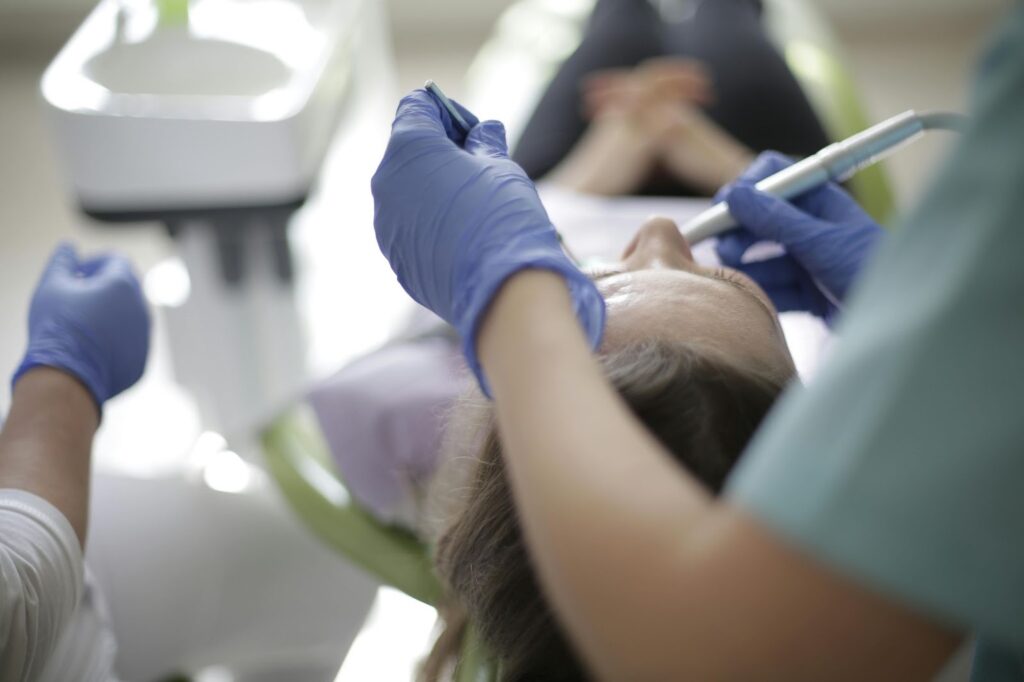
If you’re facing dental or facial issues beyond routine care, an oral and maxillofacial surgeon in Union City might be necessary. These specialists handle complex problems like impacted wisdom teeth, jaw misalignment, and facial trauma. They also perform procedures ranging from dental implants to reconstructive surgery after oral cancer. Understanding the scope of their expertise can help you identify when to seek their care—and what to expect from treatment options ahead.
Impacted Wisdom Teeth Extraction
Impacted wisdom teeth are a common issue that oral and maxillofacial surgery specialists frequently address. When these third molars fail to erupt properly, they can cause pain, infection, and damage to adjacent teeth. You’ll likely undergo a thorough clinical examination and imaging, such as panoramic X-rays, to assess the position and impaction severity of your wisdom teeth.
Surgical techniques for extraction vary based on the tooth’s orientation and depth. Surgeons may perform a simple extraction for fully erupted teeth or a more complex procedure involving bone removal and sectioning of the tooth when it’s deeply impacted. Local anesthesia or sedation guarantees your comfort during the procedure. Postoperative care instructions are critical to minimize complications like infection or dry socket. Oral and maxillofacial surgeons in Union City utilize advanced surgical techniques to safely and effectively remove impacted wisdom teeth, preventing further oral health issues and promoting ideal healing.
Jaw Misalignment and Orthognathic Surgery
When your jaw alignment causes difficulty in chewing, speaking, or leads to chronic discomfort, orthognathic surgery may be necessary to correct the underlying skeletal issues. This procedure addresses misalignments that cannot be resolved with orthodontics alone. Prior to surgery, thorough surgical planning is essential. This includes detailed imaging and model analysis to determine the exact repositioning needed for ideal function and aesthetics. Your oral and maxillofacial surgeon collaborates closely with orthodontists to guarantee coordinated treatment. During surgery, the jawbones are precisely cut and realigned to improve occlusion, facial symmetry, and overall oral health. Postoperative care focuses on healing and rehabilitation to restore proper jaw function. Orthognathic surgery effectively corrects conditions such as overbite, underbite, crossbite, and open bite caused by skeletal discrepancies. By addressing jaw alignment surgically, you can achieve improved mastication, speech clarity, and relief from temporomandibular joint discomfort, enhancing long-term quality of life.
Treatment of Facial Trauma and Fractures
Although facial trauma can occur from various causes such as accidents or sports injuries, prompt and specialized treatment by an oral and maxillofacial surgeon is critical to restore function and aesthetics. When you experience facial fractures, the surgeon carefully assesses bone displacement and soft tissue damage, ensuring the facial nerve is preserved throughout the intervention. Accurate reduction and fixation of fractured bones are essential to maintain facial symmetry and avoid long-term complications. Soft tissue injuries, including lacerations and hematomas, are meticulously repaired to promote ideal healing and reduce scarring. Your surgeon employs advanced imaging techniques to guide treatment plans tailored to the complexity of your injury. Timely management minimizes the risk of infection and functional deficits, such as impaired mastication or facial expression. By addressing both skeletal and soft tissue components, oral and maxillofacial surgeons in Union City provide extensive care that restores your facial structure and function effectively.
Dental Implant Placement and Bone Grafting
When you undergo dental implant placement, the surgeon carefully inserts a titanium post into the jawbone to serve as a stable foundation for a prosthetic tooth. If your bone volume is insufficient, bone grafting techniques are employed to augment the area and guarantee implant stability. Understanding these procedures helps you appreciate the surgical approach to restoring function and aesthetics.
Implant Procedure Overview
Several key steps are involved in the implant procedure, which typically includes dental implant placement and, when necessary, bone grafting to guarantee adequate support. First, your surgeon will evaluate your bone quality and determine the appropriate implant type—such as endosteal or subperiosteal—based on your specific anatomy. The surgical techniques employed vary but generally involve precise incisions and careful preparation of the implant site to secure ideal integration. Once the implant is placed, a healing period allows osseointegration, where the bone bonds to the implant surface, providing stability. If bone grafting is required, it precedes or accompanies implant placement to restore sufficient bone volume. Throughout, your surgeon guarantees the procedure aligns with your oral health needs, maximizing long-term success and function.
Bone Grafting Techniques
Since adequate bone volume is critical for successful dental implant placement, bone grafting techniques play an essential role in reconstructing deficient sites. When you undergo bone grafting, your surgeon selects the appropriate bone grafting types based on the defect’s size and location. These grafts support bone healing by providing a scaffold for new bone growth, ensuring implant stability.
Common bone grafting techniques include:
- Autografts: Using your own bone for ideal integration and healing.
- Allografts: Donor bone from a human source, treated to be safe and effective.
- Xenografts: Bone derived from animal sources, serving as a long-lasting scaffold.
Each technique promotes bone healing differently, and your surgeon will tailor the approach to maximize implant success and restore function efficiently.
Management of Cysts and Tumors in the Oral Cavity
Cysts and tumors in the oral cavity present diverse challenges that require careful evaluation and targeted treatment strategies. When you encounter these lesions, an accurate diagnosis is vital. Your oral and maxillofacial surgeon will often begin with imaging studies followed by a tumor biopsy to determine the lesion’s nature—benign or malignant. This step guides your treatment plan.
For cystic lesions, cyst removal is typically the treatment of choice. The procedure involves complete excision to prevent recurrence and preserve surrounding structures. In cases where tumors are identified, management may extend beyond biopsy to include surgical excision with clear margins, depending on the pathology.
Postoperative monitoring is essential to detect any signs of recurrence early. Your surgeon will tailor follow-up protocols based on the lesion type, ensuring best outcomes. Understanding these processes helps you engage actively in your care and recovery.
Corrective Surgery for Temporomandibular Joint Disorders
Although many temporomandibular joint (TMJ) disorders can be managed with conservative therapies, corrective surgery may be necessary when structural abnormalities or persistent symptoms compromise function and quality of life. If you experience chronic joint pain, limited jaw movement, or recurrent dislocations unresponsive to non-surgical approaches, surgical intervention might be recommended. Oral and maxillofacial surgeons employ advanced surgical techniques tailored to your specific condition.
Common corrective procedures include:
- Arthroplasty to repair or replace damaged joint components
- Disc repositioning or removal to restore joint alignment
- Joint reconstruction using grafts or prosthetic implants
These surgical techniques aim to alleviate pain, improve jaw function, and prevent further joint deterioration. Your surgeon will conduct a thorough evaluation including imaging studies to determine the most appropriate approach. Postoperative care and rehabilitation are critical to optimizing outcomes and ensuring a return to normal oral function. If you’re struggling with persistent TMJ symptoms, consulting a specialist is essential.
Reconstruction After Oral Cancer Surgery
After oral cancer surgery, you’ll undergo reconstructive procedures that restore both function and appearance using techniques such as local flaps, free tissue transfer, or bone grafts. The choice of surgical method depends on the tumor’s location and extent of tissue removal. Your postoperative recovery will involve careful monitoring to manage healing, prevent complications, and support rehabilitation.
Surgical Techniques Overview
When oral cancer surgery results in significant tissue loss, reconstructive techniques are essential to restore both function and appearance. You’ll find that surgical innovations have vastly improved outcomes, prioritizing patient safety throughout the procedure. Surgeons employ a range of precise methods tailored to the defect’s location and size, ensuring ideal rehabilitation.
Key techniques include:
- Free flap reconstruction, transferring tissue with its blood supply to the defect site
- Local flap reconstruction, using adjacent tissues to cover smaller defects
- Bone grafting, restoring structural integrity and enabling dental rehabilitation
Each approach is selected based on your specific needs, balancing functional restoration with aesthetic considerations. These advanced techniques minimize complications and support quicker, safer recoveries, reflecting the continuous evolution of oral and maxillofacial surgical care.
Postoperative Recovery Process
Successful reconstructive surgery sets the stage for a carefully managed postoperative recovery process aimed at promoting healing and preventing complications. After oral cancer surgery, your postoperative care will include wound monitoring, pain management, and infection prevention. You’ll need to follow specific recovery tips such as maintaining oral hygiene without disrupting surgical sites, adhering to prescribed medications, and limiting physical activity to support tissue repair. Nutritional support, often through a modified diet or feeding tube, is essential during early recovery. Regular follow-up visits enable your surgeon to assess healing progress and address any concerns promptly. By strictly adhering to these postoperative care guidelines and recovery tips, you can enhance functional outcomes and reduce the risk of complications, thereby ensuring a smoother path toward full recovery after oral cancer reconstruction.
Treatment of Congenital Facial Deformities
Although congenital facial deformities vary widely in severity and presentation, their treatment often requires a tailored surgical approach by oral and maxillofacial surgeons. When you face craniofacial anomalies, surgical interventions are carefully planned to restore both function and aesthetics. These procedures may involve complex reconstruction to address bone, soft tissue, and dental abnormalities.
Your treatment plan typically includes:
- Precise preoperative imaging and 3D modeling to map deformities
- Multidisciplinary coordination with orthodontists and pediatric specialists
- Customized surgical techniques such as bone grafting, osteotomies, and soft tissue repair
Management of Severe Infections and Abscesses
Because severe infections and abscesses can rapidly compromise oral and facial structures, prompt and effective management is critical. When you present with signs of a severe infection, an oral and maxillofacial surgeon will prioritize infection control to prevent the spread to adjacent tissues or systemic involvement. This often involves administering appropriate antibiotics and performing abscess drainage to evacuate pus and reduce pressure. The surgeon will assess the extent of the infection through clinical examination and imaging to determine the necessity and approach for drainage, whether intraoral or extraoral. Proper abscess drainage not only alleviates pain but also facilitates faster healing and reduces complications. Post-procedure, you’ll receive guidance on wound care and continuation of antibiotics to guarantee complete resolution. In cases of deep or complicated infections, hospitalization and intravenous antibiotics might be required. By addressing these infections swiftly and thoroughly, oral and maxillofacial surgeons help preserve function and prevent serious morbidity.
Cosmetic Facial Surgery and Enhancements
When you seek improvements in facial aesthetics, oral and maxillofacial surgeons offer a range of cosmetic procedures designed to enhance your appearance while maintaining natural function. These specialists focus on facial rejuvenation and aesthetic enhancements that restore symmetry, balance, and youthful contours. Their expertise guarantees both functional integrity and visual improvement.
Common cosmetic facial surgeries include:
- Rhinoplasty to refine nasal structure and improve facial harmony
- Facial implants for augmentation of the chin, cheeks, or jawline
- Facelift procedures targeting sagging skin and soft tissue for a refreshed appearance
These interventions are meticulously planned to address your unique anatomical needs, guaranteeing ideal outcomes. Oral and maxillofacial surgeons combine surgical precision with a deep understanding of facial anatomy, enabling them to provide effective facial rejuvenation while preserving essential functions such as breathing, chewing, and expression. If you’re considering aesthetic enhancements, consulting with a qualified surgeon in this specialty can provide tailored solutions aligned with your goals.
Frequently Asked Questions
How Do Oral Surgeons Handle Anesthesia During Procedures?
Oral surgeons use various anesthesia types—local, sedation, or general—to guarantee your patient comfort. They carefully assess your medical history, procedure complexity, and monitor essentials throughout, adjusting anesthesia to maintain safety and minimize discomfort.
What Are the Recovery Times for Common Oral Surgeries?
You can expect recovery timelines to vary: wisdom tooth removal typically requires 3-7 days, while more complex surgeries like jaw realignment may take several weeks. Understanding these recovery expectations helps you plan post-operative care effectively.
Are Oral Surgery Procedures Covered by Dental Insurance?
Yes, dental insurance coverage often includes oral surgery procedures, but it varies by plan. You should check your policy carefully, as oral surgery costs can be partially or fully covered depending on specific terms and exclusions.
How Do I Prepare for an Oral Surgery Consultation?
Before your consultation, review the pre surgery checklist and gather medical history. Confirm you understand patient education materials provided, noting any questions. This preparation helps your surgeon assess your condition accurately and plan effectively.
What Qualifications Should I Look for in an Oral Surgeon?
You should look for a qualifications overview that includes board certification and specialized training. Also, make certain the oral surgeon has extensive surgical experience, particularly in procedures similar to your needs, to guarantee safe and effective treatment.
Other Articles You May Find of Interest...
- The Mouth–Body Connection: Why Your Oral Health Reflects Your Overall Health
- Can Remineralizing Gum Help Improve Your Dental Health?
- When Wisdom Teeth Act Up: Your Guide to Relief
- 5 Signs a Dental Practice Is Keeping Up With Modern Care
- Spacing, Crowding, and When to Ask for an Orthodontic Opinion
- Tips For Maintaining Excellent Dental Health
- How Cosmetic Dentistry Can Transform Your Smile and Confidence




