






More COVID-19 Articles
Long Covid Treatment in 2026: What’s Actually Working
Let’s be honest about something. Long Covid isn’t a hangover from infection that just needs a little more time to clear up. It’s a genuine chronic illness that messes with multiple systems in your body, sometimes for years. People describe this exhausting cycle of crushing fatigue, brain fog, irregular heartbeats, and an immune system that can’t seem to get its act together.
And the really frustrating part? No two patients look the same.
Some people deal mostly with neurological symptoms. Others have vascular or autoimmune complications. That inconsistency is exactly why the old “here’s a standard protocol” model keeps falling flat. It’s also why so many patients feel like their doctors don’t quite believe them. The condition doesn’t fit neatly into any box, so it keeps slipping through the cracks.
It is precisely this unpredictability that has exposed the fragility of conventional medical protocols. When a condition refuses to conform, it often gets sidelined or misunderstood. Patients, in turn, are left navigating a system that feels uncertain about them, sometimes even skeptical. Long Covid does not align with traditional diagnostic boundaries, and because of that, it continues to evade easy classification, slipping persistently through the gaps of modern healthcare.
So Why Don’t Symptoms Just Go Away?
This is where it gets interesting. The persistence isn’t random. Research keeps pointing to a combination of immune dysfunction, chronic inflammation, and something called impaired microcirculation, meaning blood flow at the tiniest vessel level is disrupted. Viral remnants may still be stimulating the immune system long after the acute infection is gone. Abnormal clotting patterns restrict how much oxygen actually reaches your tissues.
Think about it this way. Treating fatigue without understanding why it’s happening is like constantly changing light bulbs when the wiring is the real problem. You’ll keep burning through bulbs.
That’s why symptom management alone isn’t cutting it anymore.
Microclots: The Piece of the Puzzle Most Doctors Aren’t Checking
One of the biggest breakthroughs in recent years is the recognition of microclots and endothelial dysfunction as major drivers of Long Covid. These microscopic disruptions in blood flow can choke off oxygen delivery to tissues, which explains the fatigue, the brain fog, and the cardiovascular weirdness that patients report.
Pair that with immune irregularities that trigger autoimmune-like responses, and you’ve got a genuinely complex clinical picture.
But here’s where Long Covid research is heading. This understanding has opened the door to therapies that actually go after the root causes rather than papering over symptoms. And that’s a meaningful shift.
The Old Model Is Breaking Down. Something Better Is Taking Its Place.
Patients aren’t accepting “here’s something to manage your symptoms” anymore. They want to understand what’s actually driving their condition. And frankly, they deserve that.
Root cause medicine asks different questions. Instead of “what can we give you to feel better today,” it asks “what are your immune markers doing, where is the inflammation coming from, how is your vascular health holding up?” It treats the body like a system with real data points, not just a collection of complaints.
This approach also means continuous monitoring. Because what you find at week one might look completely different at week eight, and the treatment should adapt accordingly.
Apheresis: What It Is and Why It’s Getting Serious Attention
Apheresis is the therapy that’s generating a lot of buzz in Long Covid circles, and the attention is earned. The basic idea is blood filtration. The process removes harmful substances like inflammatory markers and microclots from the blood while preserving the components you actually need.
It’s a direct approach to the mechanisms that seem to sustain Long Covid. And that directness is what makes it different from most conventional treatments.
One Center Worth Knowing About
The Apheresis Center in Larnaca, Cyprus was founded in 2021, which in Long Covid years is practically prehistoric. That matters because experience in this field is rare.
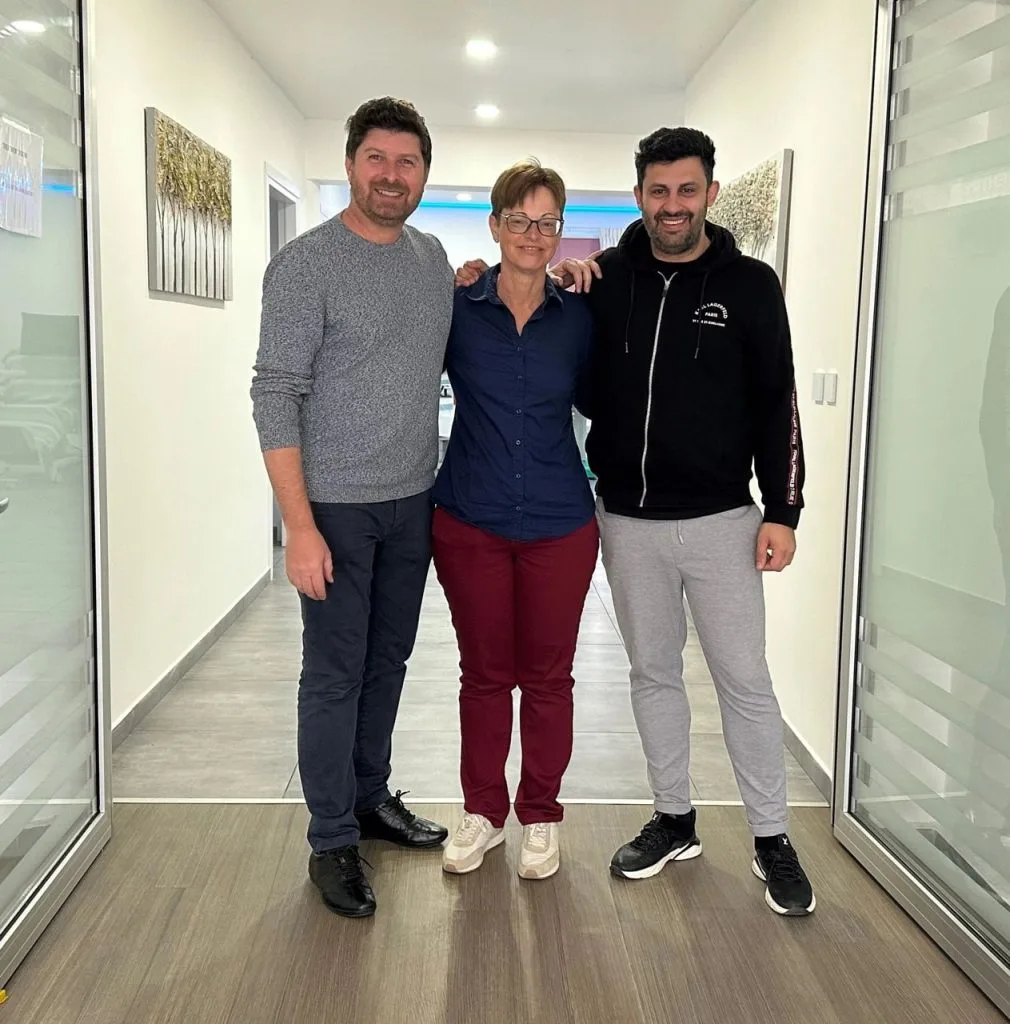
What’s genuinely interesting about their story is that the founders didn’t just come to this as medical professionals. They came to it as people who had experienced Long Covid themselves. That lived experience shaped everything about how the center operates, including how they talk to patients, how they structure care, and what they actually prioritize.
Co-founder Markus Klotz developed what the center calls Combination Therapy after going through HELP-Apheresis during his own severe illness. His recovery gave him a first-hand understanding of what works, and what’s missing when apheresis is used alone.
HELP-Apheresis and Why Combination Therapy Makes Sense
HELP-Apheresis is a specialized form of blood purification, targeting specifically the substances that drive inflammation and restrict circulation. For Long Covid patients, the downstream effects can include better energy, clearer thinking, and improved cardiovascular stability.
But here’s the catch. Apheresis alone isn’t usually enough. The Apheresis Center pairs it with hyperthermia, IV therapies, and personalized medical interventions based on each patient’s specific picture. That layered approach isn’t just philosophical, it reflects the reality that Long Covid attacks on multiple fronts simultaneously. Treating only one front is a losing strategy.
Why So Many Long Covid Patients Don’t Trust Their Doctors
This deserves some honest discussion. Patients dealing with Long Covid are often more informed than the average clinic gives them credit for. They’ve read the studies. They’ve been in the forums. They’ve seen contradictory advice from multiple specialists.
And a lot of them have also been dismissed, told their symptoms are stress-related, or handed treatments that did nothing.
That creates a trust problem that’s genuinely serious. The solution isn’t smoother marketing or better brochures. It’s transparency. It’s explaining what treatments do and don’t do, being honest about what’s uncertain, and sharing outcome data openly. Patients can handle complexity. What they can’t handle is being talked down to or kept in the dark.
Data Is Everywhere. Interpretation Is Scarce.
Technology has given medicine an incredible ability to collect information. Biomarkers, imaging, continuous monitoring, genomic data. The problem is that collecting data and understanding what it means are two completely different skills.
The clinics that will lead in Long Covid care aren’t just the ones with the best equipment. They’re the ones with professionals who can translate that data into decisions that actually help individual patients. That combination of technological capability and genuine clinical wisdom is rarer than you’d think.
And through all of it, the human element doesn’t go away. People dealing with chronic illness need someone who understands what they’re going through, not just an algorithm that spits out a recommendation. Technology should support that relationship, not replace it.
The Accountability Question
As apheresis and combination therapies gain traction, regulatory scrutiny is increasing. That’s appropriate. Innovation without evidence is just experimentation on sick people.
Responsible clinics document their outcomes rigorously, set honest expectations with patients, and don’t promise what they can’t deliver. The ethical responsibility here is real. Long Covid patients are often desperate after months or years of failed treatments. That desperation makes them vulnerable, and any clinic operating in this space has an obligation to handle that carefully.
Where Is All of This Heading?
The future of Long Covid treatment is integration. Not just integrating different therapies, but integrating diagnostics, treatment, and follow-up into a coherent experience where each piece informs the next.
Patients are done with fragmented care where their cardiologist doesn’t talk to their neurologist who doesn’t know what their functional medicine doctor is doing. They want a system where all the data flows together and the treatment adapts in real time.
The centers that figure out how to scale that model without losing quality or cutting ethical corners will define what Long Covid care looks like for the next decade.
Conclusion
Long Covid forced medicine to confront something uncomfortable. The old models weren’t built for conditions this complex, this variable, or this persistent. The response has been, in some places at least, genuinely encouraging.
What’s emerging is more investigative, more individualized, and more honest about uncertainty. Centers like the Apheresis Center show what’s possible when clinical innovation is driven by both evidence and actual patient experience.
Getting better treatment to more people, delivered responsibly, without overpromising. That’s the real challenge from here. And it’s not a small one.
Other Articles You May Find of Interest...
- What Does a COVID Headache Feel Like?
- Is Yellow or Green Mucus from the Nose a Sign of COVID-19?
- Long Covid Treatment in 2026: What’s Actually Working
- What is the Fast Exam and How Can It Improve Your Health?
- Coping with Covid Back Pain: Strategies for Relief and Recovery
- The Benefits of Using a Simple Face Mask for Oxygen Therapy
- Navigating the Benefits of Long-Term Acute Care Hospitals





