






More Counseling Articles
What Does a Low MPV in Your Blood Test Mean for Your Health?
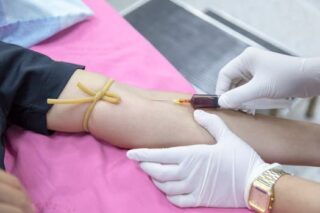
When you receive your blood test results, seeing unfamiliar terms can be confusing. One of these terms might be “low MPV,” which stands for Mean Platelet Volume. But what does a low MPV in a blood test mean for your health, and why does it matter? Understanding this can help you discuss potential health implications with your healthcare provider.
Understanding Low MPV in Blood Test Results
MPV is a measurement of the average size of your platelets, which are small cell fragments in your blood that are crucial for clotting. A low MPV may indicate smaller-than-average platelets. Why is this important? Because platelets play essential roles in stopping bleeding and aiding in wound healing. Therefore, having a low MPV can sometimes signal underlying health issues.
What Does a Low MPV Indicate?
There are several potential implications of a low MPV in blood tests. Smaller platelets might suggest that fewer new platelets are being produced, which could indicate bone marrow disorders or certain types of anemia. Additionally, low MPV can sometimes be associated with chronic diseases or inflammatory processes in the body.
Possible Health Concerns Linked to Low MPV
While a low MPV is not outright evidence of a specific health condition, it can be a clue. It may suggest:
- Bone marrow disorders, leading to reduced platelet production.
- Inflammatory diseases like rheumatoid arthritis.
- Liver or kidney issues that may affect platelet size or production.
If you have consistent results showing low MPV, your doctor might want to conduct further tests to explore these possibilities.
How Is MPV Measured?
MPV is part of a complete blood count (CBC), a common test that measures several components of your blood, including red and white blood cells. The test is performed by analyzing a blood sample, usually taken from a vein in your arm.
Discussing Low MPV with Your Healthcare Provider
If you notice a low MPV result, it’s important to discuss it with your doctor, who may review your health history and other test results to provide a more comprehensive assessment. They might suggest lifestyle changes or medications if they suspect an underlying condition that needs addressing.
How to Maintain Healthy Platelet Levels
While you can’t change your platelet size directly, maintaining a healthy lifestyle can support overall blood health. Consider these tips:
- Eat a balanced diet rich in fruits and vegetables.
- Engage in regular exercise to improve circulation.
- Avoid smoking and excess alcohol, which can impact platelet production.
For specific guidance tailored to your situation, consult a healthcare provider. They can offer advice based on your health profile.
When to Seek Further Medical Advice
A low MPV reading on its own may not be cause for alarm. However, if it’s accompanied by other abnormal CBC results or symptoms like fatigue or frequent bruising, you should consider further evaluation. Your doctor might recommend additional tests to determine the root cause.
Additional Resources
For more information on healthy living and managing office stress, consider exploring safe and effective approaches to weight management on our site. For a comprehensive overview of health-related topics, you can visit this informative page on health.
Conclusion
Understanding your blood test results, including what a low MPV means, can empower you in managing your health. By knowing the potential implications and next steps, you can work with your healthcare provider to address any concerns effectively.
- A low MPV can indicate smaller-than-average platelets.
- It could signal health issues like bone marrow disorders or inflammation.
- MPV is part of a comprehensive blood test, and further investigation may be needed.
- Discuss results with your doctor for a tailored health strategy.
- Maintaining a healthy lifestyle supports overall blood health.
FAQs
What is a normal MPV range?
The normal range for MPV is typically between 7.5 and 11.5 femtoliters, but this can vary slightly depending on the laboratory.
Can diet influence MPV?
While diet doesn’t directly change your MPV, a balanced diet supports overall blood health and can help maintain normal platelet function.
Is a low MPV cause for concern?
A low MPV isn’t always a concern, but it can be a signal that further evaluation is needed, especially if it’s part of ongoing health issues.
How often should MPV be checked?
Frequency depends on your health status and any existing medical conditions. Your doctor can advise how often you should have a CBC.
Can medications affect MPV?
Some medications can influence platelet production or size. Always discuss any concerns with your healthcare provider to understand potential effects on your MPV.
Other Articles You May Find of Interest...
- Are You Familiar with the Jobe Test for Shoulder Injuries?
- Unlocking the Secrets of the Terapeutiskt Index for Better Health Management
- Revolutionizing Trauma Care with REBOA Techniques
- The Secrets of Monjuaro for Better Health and Wellness
- Breaking Free from Deception: Effective Strategies for Compulsive Lying Treatment
- What Is Bulkamid and How Can It Improve Your Health?
- What Does a Low MPV in Your Blood Test Mean for Your Health?



