






Your Health Magazine
4201 Northview Drive
Suite #102
Bowie, MD 20716
301-805-6805
More Complementary & Integrative Healthcare Articles
Turn your home into a spa sauna with salt bricks for wellness
Wellness Comes Home
Home today does more than offer shelter. Lately, it’s turning into a quiet escape where minds reset and bodies unwind. Driven partly by working from home and sharper attention to emotional balance, people reshape their living areas. Personal retreats like saunas grow common. Meditation corners pop up where closets once stood. Cold baths appear beside bathrooms. Even regular homes add touches of calm through design. These upgrades rank high on remodeling wish lists across price levels.
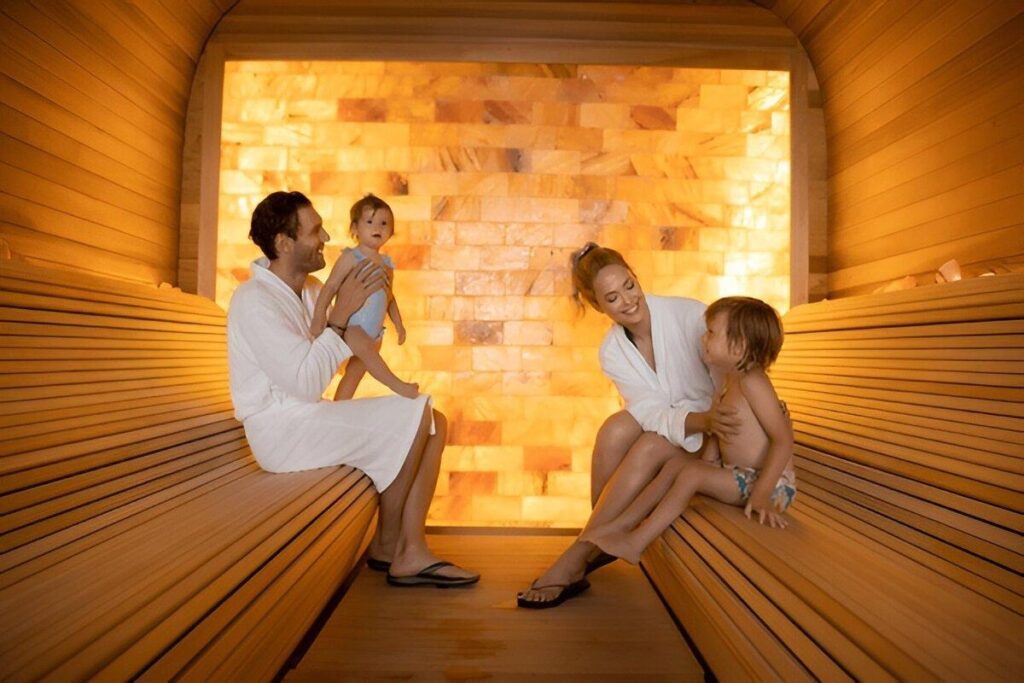
Now showing up in more homes, salt bricks and tiles bring a unique touch to personal saunas. Not long ago seen only in luxury retreats or specialty spas, these pink blocks are finding their way into private spaces. Their appeal? A warm glow plus a calming presence during heat sessions. Homeowners pick them not just for looks, but for how they change the feel of the room. What once felt exclusive now fits quietly into daily routines.
Warm lights set the mood. Textures from nature find their way into design. Calm fills these spaces like breath after stillness. Interest grows, quietly, in wellness tied to salt-infused air. Science questions some benefits of breathing salty vapors. Yet few argue against how such spas feel – soft on the eyes, gentle on the mind. The effect rests not in proof but presence.
Homeowners, along with wellness designers and spa experts, find ways to shape living spaces into calming escapes through salt-infused design features. These setups mix ease with usefulness while awakening the senses slowly, piece by quiet piece. Salt becomes part of walls, lighting, even furniture – working quietly beneath daily life. Instead of standing out, it sinks into the background like breath you forget until it slows. Each choice fits not because it looks good but because it feels necessary over time. Rooms breathe differently when built with these minerals woven in. Some say air tastes cleaner; others notice skin changes first. Whatever shows up, arrives without announcement. Slow shifts matter most here – not grand transformations or instant results. What grows is less seen, more sensed after minutes pass sitting still.
The Modern Wellness Trend and Growing Use of Home Spa Saunas
Now picture this: the world’s wellness market is much bigger than it was just a few years back. Reports from the Global Wellness Institute show the sector now pulls in more than 5 trillion dollars worldwide, mainly driven by new trends like health-focused housing and at-home wellbeing setups.
Several cultural shifts are driving this trend:
- Increased stress and burnout
- Greater focus on preventive health
- Desire for personalized wellness routines
- Rising luxury home customization
- Popularity of Scandinavian sauna culture
- Social media influence on spa aesthetics
Now it’s about more than just tiles or a basic shower. People crave spaces that feel like they stepped into a high-end spa. Instead of standard fixtures, mood matters most. Sensory details take center stage – light, scent, texture. A bathroom becomes somewhere you experience, not just use. Steam is part of it, but only one layer. What counts now is how a space makes you feel from the first step inside.
This push shows up in choices such as
- cedar wood
- natural stone
- ambient lighting
- aromatherapy systems
- Yet particularly those salt blocks
Salt Bricks Gain Role in Wellness Spaces
What Salt Bricks Are?
From deep within mountain layers comes salt shaped into solid slabs. Warm pinkish glows often mark these pieces. Carved or pressed by pressure, they take form slowly. One might see them placed where heat meets food. Their color stands out – soft orange hints mixed with pale rose. Used on tabletops or grills, they serve quiet roles. Minerals locked inside release gently when warmed. Some place meals directly onto the surface. Over time, edges may wear slightly smooth. Each block holds a unique pattern like stone art. Found in homes or kitchens far from origin points
- sauna walls
- backlit feature panels
- spa relaxation rooms
- meditation spaces
- steam rooms
Not like pretty salt lamps, these salt blocks are built to handle both strength needs and creative spaces.
What draws people most is how they look. A gentle light turns salt walls into something warm, like dusk spilling across a room.
How salt tiles and salt walls add to wellness areas
From spa walls to quiet corners, salt tiles now shape space thanks to those who blend interiors with well-being. Natural textures creep indoors – rock, light, air – not just decor but feeling. Materials pulled from earth meet slow lighting, soft sounds, grounding the room. Calm isn’t added, it’s built in. Designers reach for minerals that breathe, hold time, shift mood without noise. These rooms do not shout; they settle. Sensory layers stack gently: warmth underfoot, grain on touch, a pale glow at dusk. Nature here is not mimicked – it’s invited.
Salt walls contribute to:
- a tranquil visual atmosphere
- Warm color psychology
- tactile natural textures
- luxury spa aesthetics
Some wellness spots use salt bricks not just for looks – these features quietly boost how people see the room’s worth. A different kind of detail, they draw eyes while shifting what visitors expect. Worth rises without a word being said. Not decoration alone, their presence changes the air, literally and otherwise. These walls do more than sit there – they shape impressions slowly.
A small sauna might surprise you – homeowners get that rich, enveloping experience even in tight spaces. Size doesn’t always matter when comfort wraps around you like warmth.
Creating a Complete Home Spa and Sauna Space
A space feels right when warmth meets calm in quiet ways. Success comes not just from steam rooms but how light touches walls. Where you relax matters less than how it makes you feel inside. Thoughtful details shape comfort more than equipment ever could.
How to Pick a Sauna
Different sauna formats support different wellness goals.
Traditional Finnish Sauna
- High heat, low humidity
- Wood-burning or electric heaters
- Ideal for intense heat exposure
Infrared Sauna
- Lower temperatures
- Uses infrared panels
- For those just starting, plus people who care about well-being at home, it’s a common pick
Steam Sauna
- High-humidity environment
- Often found where bathrooms take cues from spas
Some creators mix infrared setups with walls made of salt bricks to shape today’s clean look in personal care spaces.
Lighting Aromatherapy Acoustics
Most experts agree. A truly great sauna doesn’t just heat the body – it builds moments. One after another. Light shifts. Scents rise slowly. Sound wraps around silence. Not everything happens at once. Layers unfold. Heat comes first, yes. Then texture underfoot. Then a whisper of eucalyptus. Maybe cedar scent later. Space matters too. How air moves. Where shadows fall. Each detail arrives quietly. None shout. Together they pull you deeper. This isn’t added on. It’s built in. From the start.
Important elements include:
- dimmable warm lighting
- essential oil diffusers
- natural wood acoustics
- calming soundscapes
- humidity balancing
Lit from behind, salt panels glow gently, adding light while calming the eye. A room feels warmer where those mineral surfaces shine through diffused brightness.
Salt Tiles in Sauna Design
Placed with care, salt tiles don’t need to span every surface. Sometimes just a few spots make the difference. A single section might do more than full coverage ever could. Position matters more than quantity when using these materials. One well-chosen area often works better than many.
Popular placements include:
- behind sauna benches
- around heater surrounds
- feature accent walls
- meditation alcoves
- ceiling inserts
Most people who fit these systems soon notice one thing – how wetness behaves makes a big difference. Because salt pulls water out of the air by its very nature, damp spots can become an issue. When airflow gets handled right during setup, things tend to last longer. Getting help from someone trained changes how well it holds up over time.
The Science and Perceived Benefits of Salt Therapy
Halotherapy Findings From Studies
Back in Eastern Europe, workers inside salt mines seemed to breathe easier – that’s how it started. Some noticed their lungs acted differently down there. The idea came slowly, built on what people saw day after day. Breathing salty air underground led to something new above ground. A practice formed without plans, just patterns in health. What began by chance turned into repeated use. Not science at first, more like quiet proof over time.
These days, some wellness spots promote salt caves by saying they help with:
- relaxation
- respiratory comfort
- stress reduction
- skin wellness
Yet results from studies still clash.
Nowhere near a cure, breathing salty air in artificial caves might ease some lung issues, at least according to a few tiny reports. Still, places like the Cleveland Clinic point out the data isn’t strong enough yet. Medical care shouldn’t be swapped out for misty rooms just because it sounds natural. Proof? Lacking. Could there be something to it? Maybe – but doctors aren’t signing off.
Most evidence backs how peaceful settings affect the mind. Soft light, stillness, warmth from thermal treatments – these shape how people handle tension. Calm habits built on purpose shift feelings of health too.
Realistic Expectations and Limitations
Watch out when you see promises about health. Not every claim holds up under closer look.
Salt brick saunas are best understood as:
- wellness-enhancing environments
- relaxation-focused design features
- aesthetic and sensory upgrades
These do not replace trained medical care or treatments shown to work. While helpful, they stand apart from clinical solutions backed by evidence.
A fresh view like this builds confidence among buyers while matching how openly things are shared today in wellness circles.
Design ideas for small medium and large homes
Wellness Spaces for Small Apartments
Some houses just lack the space needed for a complete spa area.
Compact wellness solutions include:
- portable infrared saunas
- Salt tiles feature walls
- meditation benches
- aromatherapy corners
Even a small bathroom can incorporate spa-inspired materials and lighting.
Mid Sized Home Sauna Rooms
A spare room or basement can often support:
- a 2–4 person sauna
- integrated salt brick wall
- cold shower station
- towel warming systems
Out here, comfort meets everyday ease without tipping into excess. A quiet kind of space, where looks don’t come at the cost of use.
Luxury Spa Retreat Ideas
Premium wellness residences now commonly include these elements
- custom salt caves
- hydrotherapy systems
- chromotherapy lighting
- cold plunge pools
- integrated smart climate controls
Some high-end fashion creators buy bulk sea salt slabs when working on big pieces. Cost drops fast that way.
Bulk sourcing also allows for greater consistency in:
- color variation
- brick sizing
- architectural integration
Salt Bricks vs. Traditional Sauna Materials
Cedar takes center stage in classic saunas, yet hemlock slips in often too. Spruce shows up now and then instead of the others. Wood choice shapes how the heat feels against skin.
Salt bricks provide distinct advantages:
- visual sophistication
- ambient lighting effects
- luxury branding appeal
- spa-style atmosphere
Still, some things need thinking about
- higher installation costs
- moisture sensitivity
- structural weight requirements
Wood works best when paired with salts, not swapped out completely.
Many Builders Use Wholesale Salt Blocks
Working with spas, building teams, or running a wellness center means getting supplies without delays matters most. Materials show up on time when planning becomes routine. Late deliveries hurt progress more than rain does. Smooth operations start long before tools touch site grounds.
Buying wholesale salt blocks offers:
- lower per-unit pricing
- better consistency
- access to commercial-grade quality
- custom sizing options
Reputable suppliers also provide:
- installation guidance
- humidity recommendations
- backlighting specifications
- maintenance support
Before purchasing, buyers should evaluate:
- salt purity
- manufacturing consistency
- shipping protection
- crack resistance
- warranty terms
Home Spa Sauna Errors To Skip
Overlooking Ventilation
A single breath of stale air might wear down salt setups over time. Comfort slips away when circulation falters.
Ignoring Moisture Levels
Mist in the air can soften salt walls over time. When moisture lingers, those surfaces start to break down slowly.
Prioritizing Appearance Over Function
Even if a spa looks stunning, poor seat design, uneven heat, or weak insulation stops it from offering real comfort. Though calm visuals matter, without proper setup the space falls short. Comfort needs more than just nice tiles or soft lighting – it demands smart details. Looks alone cannot fix basic flaws in function. A pretty room feels wrong when bodies ache or shiver inside it.
Using Low-Quality Materials
Heat can make low-quality salt break apart, change color, or wear down fast.
Home Wellness and Spa Design Moving Forward
Home wellness trends are likely to shift quickly, say experts watching the field.
Emerging trends include:
- AI-controlled wellness environments
- circadian lighting systems
- biofeedback-integrated saunas
- sustainable wellness materials
- hybrid indoor-outdoor spa concepts
Salt brick installations are also becoming more customized, with designers experimenting with:
- geometric patterns
- integrated LED systems
- textured wall compositions
- modular salt panels
Wellness sneaking into everyday routines means home spas aren’t just fancy perks anymore – they’re starting to feel necessary. Instead of treats for the rich, they now sit quietly at the center of how some people shape their days.
Conclusion
Home spas aren’t just fancy extras – they show how people now care more about daily well-being. A space meant for rest works best when layout, feel, and purpose come together right. With careful planning, any house can offer moments of calm plus real relief for body and mind.
Warmth pools in the corners where salt bricks meet tile, softening hard edges of everyday spaces. Because they glow like sunrise on snow, these materials pull attention without shouting. A quiet trend rises – not fast, not loud – just steady hands shaping calm from mineral blocks. Light bends differently here, slower somehow, caught in crystalline layers that hint at ancient seas. Homes begin to breathe easier when walls carry traces of underground harvests. What once lined mine shafts now lines private escapes, one grainy slab at a time.
Even so, good wellness spaces need clear thinking, correct setup, careful choices. Not just when crafting a small infrared unit, but even for large spa-like escapes – using durable parts along with sensible layout leads to lasting value. Results hold up only if effort matches intent.
Other Articles You May Find of Interest...
- Turn your home into a spa sauna with salt bricks for wellness
- Which THC Strain Is Good for Sleep?
- From Injury to Recovery: How Massage Therapy Supports Chiropractic Care
- Are THC Gummies Legal in West Virginia? Laws, Limits, and Where To Buy (2026 Guide)
- Are THC Gummies Legal in Vermont? Laws, Limits, and Where To Buy (2026 Guide)
- Are THC Gummies Legal in Tennessee? A 2026 Guide to Hemp & Marijuana Edible Laws
- Are THC Gummies Legal in South Dakota? A 2026 Guide to Hemp & Marijuana Edible Laws




