






More Complementary & Integrative Healthcare Articles
Natural Solutions: Homeopathic Remedies for Fevers to Beat the Heat
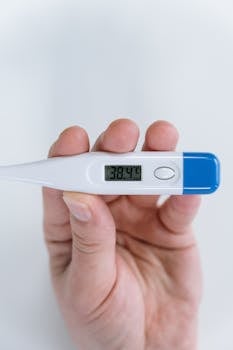
In the search for natural ways to manage health conditions, many people turn to homeopathic remedies for fevers. Homeopathy, a system of alternative medicine developed in the late 1700s, uses natural substances to stimulate the body’s healing processes. This article will explore some common homeopathic remedies for managing fevers, how they are generally used, and considerations for their effectiveness.
Understanding Homeopathic Remedies for Fevers
Homeopathy operates on the principle that “like cures like,” meaning a substance that causes symptoms in a healthy person might be used to treat similar symptoms in someone who is sick. When it comes to fevers, several homeopathic remedies may be considered. It is essential, however, to remember that although these natural options can be part of a holistic approach to wellness, they should not replace conventional medical treatments when necessary.
Common Homeopathic Remedies
There are several homeopathic remedies that those interested in natural health practices often use when dealing with fevers. Here are a few:
- Aconitum napellus: Often recommended at the onset of a fever, particularly if it follows exposure to cold weather.
- Belladonna: Usually considered for sudden, intense fevers that may include a flushed face and dry skin.
- Gelsemium: Useful for fevers that come with exhaustion and shivering, often accompanying flu-like symptoms.
- Pulsatilla: Used when a fever changes frequently and is less intense than others, often suitable for children.
How Homeopathic Remedies Are Used
Homeopathic remedies come in various forms, including pellets, tablets, and liquid dilutions. Typically, these remedies are taken orally and are used in specific dilutions, referred to as potencies. Lower potencies are usually taken more frequently, while higher potencies may be administered less often. When in doubt, consulting with a trained homeopath can be helpful to determine the appropriate remedy and dosage.
Effectiveness and Safety
The effectiveness of homeopathic remedies is a topic of ongoing debate. Some studies suggest potential benefits, while others find no significant difference compared to placebos. It’s important to consider that natural doesn’t automatically mean safe for everyone. Allergies or sensitivities to homeopathic substances are possible, and some conditions may require medical attention rather than home treatment.
If you’re interested in more insights into complementary health approaches, you might find our article on holistic versus traditional medicine beneficial.
Consulting with Healthcare Professionals
Before starting any new treatment, including homeopathic remedies for fevers, consulting with a healthcare professional is advised. This is particularly important for individuals with underlying health conditions, those on medication, or when treating young children. A healthcare provider can help ensure that homeopathic remedies will not interact with other treatments or conditions.
Additional Considerations
Choosing homeopathic remedies should include considering the whole person, not just the fever. Emotional state, overall physical health, and specific fever characteristics can guide the choice of an appropriate remedy. By taking into account these factors, users of homeopathy can potentially experience improved results.
For more detailed information on homeopathic medicine and how it may fit into health care, visit this Wikipedia article.
While homeopathy offers a unique approach to managing fevers, it is vital to balance natural remedies with science-based treatments, ensuring comprehensive care that addresses all health needs.
Ultimately, the choice to use homeopathic remedies for fevers should be made based on informed perspectives and professional medical advice.
- Homeopathic remedies for fevers involve using natural substances.
- Common remedies include Aconitum napellus and Belladonna.
- Effectiveness varies; some may find them beneficial, others not.
- Consultation with healthcare providers is recommended to prevent interactions.
- Homeopathy should complement, not replace, conventional medicine.
What are homeopathic remedies for fevers?
Homeopathic remedies for fevers are natural substances used in homeopathy to help manage symptoms by stimulating the body’s natural healing processes.
Are homeopathic remedies safe for everyone?
While generally considered safe, homeopathic remedies may cause reactions in some people. Consulting a healthcare professional is important, especially for those with allergies or underlying health issues.
How do homeopathic remedies differ from conventional medicine?
Homeopathy uses highly diluted natural substances to trigger healing, while conventional medicine often relies on pharmaceuticals and treatments that target specific symptoms or diseases.
Can homeopathic remedies interact with medications?
Yes, there can be interactions. Always consult with a healthcare professional to ensure that homeopathic remedies will not adversely interact with other medications or treatments.
Where can I learn more about homeopathy and other alternative health options?
For additional insights, reading resources such as the comparison of holistic and traditional medicine can be beneficial.
Other Articles You May Find of Interest...
- Effective Remedies for Tarsal Tunnel Syndrome Relief
- Effective Approaches for Managing Dic Treatment and Its Challenges
- Recognizing Constitutional Symptoms for Better Health Awareness
- Exploring the Unique Concept of Dildough: What It Means and Its Significance
- Natural Minerals to Prevent Bruising and Promote Healing
- Exploring the Benefits of SIMV Ventilation for Improved Patient Care
- Mastering the Weber Examination: Key Insights for Accurate Diagnosis




