






More Complementary & Integrative Healthcare Articles
Natural Relief: Discover the Power of Anti-Inflammatory Essential Oils
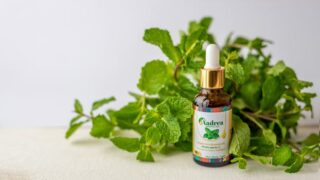
In the quest for natural remedies and holistic approaches to health, many have turned to anti inflammatory essential oils. These potent plant extracts are becoming popular for their potential to support overall wellness, particularly in managing inflammation. From soothing minor aches to potentially easing chronic conditions, these oils offer a complementary approach to traditional treatments.
The Benefits of Anti Inflammatory Essential Oils
Essential oils have been used for centuries in various cultures for their therapeutic properties. Among the myriad of benefits they offer, relief from inflammation is one of the most promising. Anti inflammatory essential oils like ginger, turmeric, and lavender may support a reduction in inflammation thanks to their unique active compounds. These compounds work by influencing inflammatory pathways in the body, potentially reducing pain and swelling.
A critical aspect of using these oils is their versatility. They can be used in massage, added to baths, diffused into the air, or applied directly to the skin when diluted. This flexibility makes them an attractive option for those seeking natural solutions for inflammation management. It’s important to note, however, that while these oils may help with inflammation, they are not a replacement for medical treatments prescribed by healthcare professionals. For a comprehensive approach to wellness, integrating these oils can be part of a broader holistic strategy. Learn more about holistic wellness practices that may complement the use of essential oils.
Popular Anti Inflammatory Essential Oils
Turmeric Oil
Renowned for its anti-inflammatory and antioxidant properties, turmeric oil is derived from the rhizome of the turmeric plant. Curcumin, the active compound in turmeric, has been extensively studied for its role in reducing inflammation in conditions such as arthritis. Incorporating turmeric oil into your wellness routine may provide soothing benefits.
Ginger Oil
Ginger oil is extracted from the root of the ginger plant and is well-known for its warming and soothing effects. Its ability to support inflammation reduction is attributed to compounds such as gingerol, which can aid in managing muscle pain and stiffness.
Lavender Oil
Lavender oil is celebrated for its calming aroma and may also support inflammation management. Its potential to reduce stress and promote relaxation ties directly to its anti-inflammatory effects, as stress can often exacerbate inflammatory conditions.
Frankincense Oil
Derived from the resin of the Boswellia tree, frankincense oil has been valued for its potential to support immune function and reduce inflammation. Its use in traditional medicine spans back centuries, making it a staple in natural health circles.
Safe Use of Anti Inflammatory Essential Oils
While the benefits of these oils are compelling, it’s crucial to use them safely. Always dilute essential oils with a carrier oil like coconut or almond oil before applying to the skin to prevent irritation. Conduct a patch test to ensure there’s no adverse reaction. Additionally, it’s wise to consult with a healthcare provider or a trained aromatherapist, particularly for those who are pregnant, nursing, or have underlying health conditions. A comprehensive overview of essential oil safety can be found on Wikipedia.
Integrating Essential Oils into Daily Life
Incorporating these anti inflammatory essential oils into your daily routine can be both simple and enjoyable. Add a few drops to a diffuser to enjoy their aromatic benefits or include them in your skincare regimen. Blending different oils can enhance their effects, giving you a tailored experience. An accessible and rewarding way to experience their benefits is through a relaxing bath with added essential oils, which can soothe the muscles and provide a moment of tranquility.
The journey towards improved health and wellness is deeply personal, and exploring natural remedies like essential oils can be a valuable component of that journey. As you consider the role of anti inflammatory essential oils in your life, remember their potential as a supportive tool in a broader health strategy.
Conclusion
Anti inflammatory essential oils offer a promising complementary approach for those seeking natural remedies for inflammation. With proper use and integration into a holistic wellness plan, they can provide a soothing and enjoyable path to enhancing well-being. For those interested in exploring their potential, remember that these oils are part of a broad spectrum of complementary approaches that can enrich your health journey.
- Anti inflammatory essential oils may help manage inflammation naturally.
- Turmeric, ginger, and lavender oils are popular for their potential benefits.
- Proper usage and dilution are key to safe essential oil use.
- Combining oils can enhance their effects and create a personalized experience.
- Essential oils are best used as part of a broader wellness plan.
FAQs About Anti Inflammatory Essential Oils
How do I use essential oils for inflammation?
Essential oils can be used in various ways, including topical application (diluted with a carrier oil), addition to a warm bath, or diffusion into the air. Each method offers different benefits, so choose based on your comfort and needs.
Are there any side effects to using essential oils?
While generally safe, essential oils can cause skin irritation or allergic reactions in some people. Always perform a patch test and consult a healthcare provider if you have sensitive skin or allergies.
Can essential oils replace medication for inflammation?
Essential oils should not replace medications prescribed by a healthcare provider but can be used as a complementary therapy. Discuss with your doctor before integrating them into your health regimen.
Which essential oils are best for reducing inflammation?
Turmeric, ginger, lavender, and frankincense oils are well-regarded for their potential anti-inflammatory properties. Each has unique compounds that may support inflammation reduction.
Is it safe to mix different essential oils?
Yes, mixing essential oils is common and can enhance their effects. However, ensure each oil is safe for your use, and blend them in recommended ratios to avoid adverse reactions.
Other Articles You May Find of Interest...
- Unlocking the Secrets of Reflex Grading for Better Health Insights
- The Buzz Around Bio-Frequency Patches: Hype, Hope, or Something Worth Trying?
- Stick With It: What You Should Know Before Trying a Wellness Patches Guide
- Managing Elevated Vitamin B12 Levels: Effective Treatment Strategies
- Identifying the ICD 10 Code for CMP and Its Impact on Health
- How Long Does It Take to Detox Your Body After Unhealthy Habits?
- Rewire Your Mind with Professional Hypnotherapy in Dubai



