






Your Health Magazine
4201 Northview Drive
Suite #102
Bowie, MD 20716
301-805-6805
More Complementary & Integrative Healthcare Articles
CBD vs THC: Understanding the Differences and Health Applications
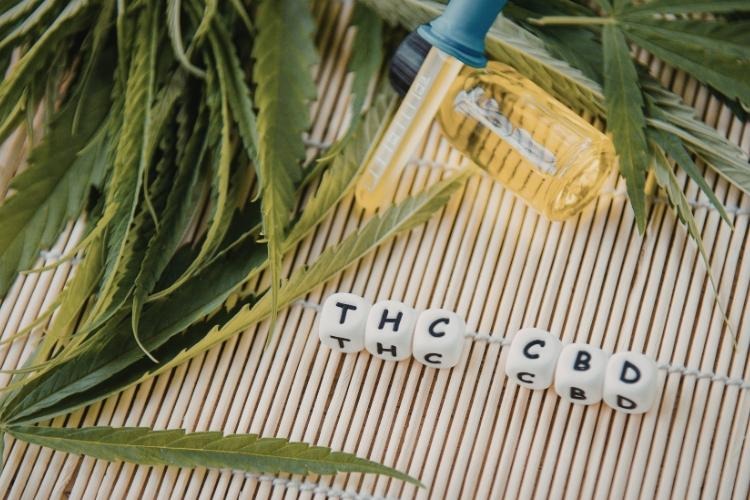
[Photo by Olivia Grigorita on Canva.]
Cannabis has become an increasingly discussed topic in health and wellness spaces, particularly as more people explore plant-based approaches to managing everyday concerns.
Two compounds often at the center of these conversations are CBD (cannabidiol) and THC (tetrahydrocannabinol). While they originate from the same plant, their effects, uses, and applications differ in important ways.
Understanding how CBD and THC work, and how they may fit into broader wellness routines, can help individuals make informed decisions. This article breaks down their key differences, potential applications, and considerations for those interested in learning more.
What are CBD and THC?
CBD and THC are both cannabinoids, naturally occurring compounds found in cannabis plants. These compounds interact with the body’s endocannabinoid system, which helps regulate processes such as mood, sleep, appetite, and pain.
Key Characteristics of CBD
- Non-intoxicating, meaning it does not produce a “high”
- Commonly associated with relaxation and calmness
- Widely used in oils, capsules, and topical products
Key Characteristics of THC
- Psychoactive, responsible for the “high” linked to cannabis
- Can influence mood, perception, and appetite
- Often used recreationally and in some therapeutic contexts
Although they share a similar origin, their effects on the body and mind can feel quite different. This distinction is often the starting point for people exploring cannabis-related wellness options.
How CBD and THC Affect the Body
CBD and THC interact with the body in distinct ways due to how they bind or don’t bind to cannabinoid receptors.
CBD does not directly bind to the main cannabinoid receptors. Instead, it appears to influence them indirectly, which may explain why it is often associated with subtle, non-intoxicating effects. People who incorporate CBD into their routines often do so for:
- Promoting relaxation without impairment
- Supporting better sleep habits
- Managing occasional stress
THC binds directly to cannabinoid receptors in the brain. This interaction produces noticeable psychoactive effects, which can vary depending on the dose and individual tolerance. Commonly reported effects include:
- Altered sensory perception
- Changes in mood
- Increased appetite
Because of these differences, individuals often choose between CBD and THC based on how they want to feel and what outcomes they’re aiming for.
Potential Health Applications of CBD
CBD has gained attention for its versatility and accessibility, especially for those seeking non-intoxicating options. Applications include:
- Stress and Relaxation: Many people turn to CBD as part of a calming evening routine. Its non-psychoactive nature makes it appealing for those who want to unwind without cognitive changes.
- Sleep Support: CBD is often included in nighttime routines, particularly for individuals who struggle to switch off after a long day.
- Everyday Discomfort: Some users turn to CBD to manage occasional physical discomfort, especially after exercise or prolonged activity.
Effects can vary depending on dosage and delivery method. Also, consistency often matters more than single-use experiences. Personal experimentation is typically required to find the right fit. CBD’s flexibility makes it a common entry point for those new to cannabis-related wellness.
Potential Health Applications of THC
THC offers a different set of experiences and may be more suitable for individuals comfortable with its psychoactive properties. Situations where THC may be considered include:
- Appetite Stimulation: THC is widely recognized for increasing appetite, which can be helpful in specific scenarios.
- Mood Shifts: Some individuals report that THC influences mood in a way that feels uplifting or calming, depending on the strain and dose.
- Rest: Certain THC-dominant strains are associated with deeper physical relaxation, which some people incorporate into evening routines.
THC’s effects can be more intense and less predictable. Dosage plays a significant role in the experience, but individual tolerance varies widely.
Because THC can produce noticeable cognitive changes, it’s often approached with more caution, especially by beginners.
Choosing Between CBD and THC for Your Needs
Deciding between CBD and THC often comes down to personal goals, comfort level, and lifestyle preferences.
Questions to Consider
- Do you want to avoid psychoactive effects?
- Are you looking for daytime or nighttime support?
- How important is consistency versus immediate impact?
Those interested in exploring different cannabis options should understand that the source and variety of plants are also important. Access to diverse strains can influence cannabinoid profiles and overall experiences.
Grower’s Choice Seeds offers insight into a wide range of cannabis seed varieties, helping individuals better understand how different strains may align with their preferences.
Growers Choice Seeds is known for offering a broad selection, making it easier for those researching cannabis to explore how plant genetics influence CBD and THC content.
How Strains Influence CBD and THC Levels
Not all cannabis plants are the same. The balance of CBD and THC depends largely on the strain.
Types of Cannabis Strains
- CBD-Dominant Strains: Higher CBD content with minimal THC, often chosen for non-intoxicating effects.
- THC-Dominant Strains: Higher THC levels are typically associated with stronger psychoactive experiences.
- Balanced Strains: Contain both CBD and THC in more equal proportions and may offer a combination of effects.
Understanding strain differences is essential for anyone looking to tailor their experience. This is one reason sources like Growers Choice Seeds are often cited when discussing cannabis varieties and cultivation options.
Safety and Responsible Use
While interest in cannabis continues to grow, responsible use remains essential.
- Start with small amounts, especially if new to THC
- Pay attention to how your body responds
- Avoid combining with activities that require focus or coordination
- Regulations around cannabis vary by location
- Personal health conditions may influence suitability
- Consulting a qualified professional can provide additional guidance
Approaching CBD and THC with awareness helps create a more informed and balanced experience.
Conclusion
CBD and THC each offer distinct characteristics, making them suitable for different preferences and situations. CBD is often favored for its non-intoxicating, calming qualities, while THC provides more noticeable effects that can influence mood, perception, and relaxation.
Choosing between the two or exploring a combination depends on individual goals, comfort levels, and lifestyle needs.
By understanding how these cannabinoids interact with the body and how different strains influence their effects, individuals can make more thoughtful decisions about their wellness routines.
As interest in plant-based approaches continues to grow, staying informed remains the most valuable step.
Other Articles You May Find of Interest...
- Why Staying in an Ashram Can Transform Your Mind and Body
- CBD vs THC: Understanding the Differences and Health Applications
- Unraveling the Impact of Base Deficit on Your Health
- The Benefits of Adjusting Your Zepbound Dose for Better Health
- Unlocking the Power of Reciprocal Inhibition for Improved Health and Wellness
- What Will 4D Zero Gravity Massage Chairs Look Like in 2026?
- Cell Phone Addiction – How Cell Phones Hook the Brain




