






More Complementary & Integrative Healthcare Articles
Can Osteoporosis Be Reversed? Exploring Effective Strategies for Bone Health
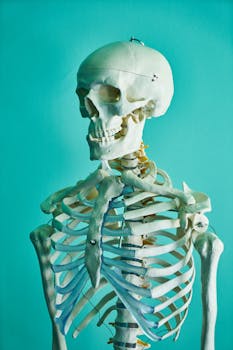
Osteoporosis is a condition that affects millions of people worldwide, leading them to wonder: is osteoporosis reversible? This condition is characterized by weakened bones, increasing the risk of fractures. Understanding whether this condition can be reversed involves exploring a combination of medical treatments, lifestyle changes, and nutritional strategies.
Is Osteoporosis Reversible?
The question of whether osteoporosis is reversible largely depends on various factors, including the stage of the condition and individual health circumstances. While complete reversal might not always be possible, significant improvements in bone density and strength can often be achieved.
Understanding Osteoporosis
Osteoporosis is often called the “silent disease” because bone loss occurs without symptoms. People may not know they have it until a fracture occurs. The condition is more common in older adults, particularly postmenopausal women, due to decreased estrogen levels, which play a crucial role in maintaining bone density.
Medical Treatments
Several medications are available that can slow the progression of osteoporosis and potentially increase bone density. These include bisphosphonates, hormone-related therapy, and other drugs like denosumab and teriparatide. While these treatments are promising, discussions with a healthcare provider are crucial to determine the best individual plan.
Lifestyle Choices for Bone Health
Despite the challenges, lifestyle changes can have a profound impact on bone health. Regular weight-bearing exercises, such as walking, jogging, or dancing, can help stimulate bone formation and slow bone loss. Additionally, incorporating strength training exercises can enhance muscle strength and further support bone health. To learn more about how lifestyle choices affect overall health, visit our related article.
Role of Nutrition
Calcium and vitamin D are critical nutrients for bone health. A diet rich in these nutrients can help maintain and build bone density. Dairy products, leafy greens, and fortified foods are excellent sources. Supplementation might be necessary for some individuals, particularly those with dietary restrictions. Again, a healthcare provider can help tailor dietary plans to meet individual needs.
Exploring Alternative Therapies
Some alternative therapies, such as acupuncture, tai chi, and yoga, may complement traditional treatments by improving balance and reducing the risk of falls, which are common in individuals suffering from osteoporosis. While not a substitute for medical treatment, these activities can enhance overall well-being.
The Role of Genetic Factors
Genetic predisposition plays a significant role in osteoporosis. Family history can be a strong indicator of the risk, which highlights the importance of early screening measures in individuals at risk due to genetic factors.
Preventive Measures
Preventing osteoporosis before it starts is ideal. This involves maintaining a healthy lifestyle from a young age, with an emphasis on regular exercise and a balanced diet. Avoiding smoking and excessive alcohol consumption is also recommended.
Consulting Healthcare Professionals
Regular consultations with healthcare providers are essential for managing osteoporosis effectively. Personalized treatment plans that cater to individual needs can lead to successful management of the condition and potential improvement in bone density ratings.
For those still wondering whether osteoporosis is reversible, the answer is complex. While full reversal may be unlikely, improving bone health and reducing fracture risks is certainly achievable with the right approach.
- Osteoporosis may not be fully reversible, but improvement is possible with treatment and lifestyle changes.
- Medications can help slow bone loss and increase bone density.
- Regular weight-bearing exercises and a nutritious diet support bone health.
- Consult healthcare professionals for personalized treatment plans.
- Preventive measures from a young age can reduce the risk of developing osteoporosis.
Can osteoporosis be completely cured?
While there is no complete cure for osteoporosis, treatments can significantly manage the condition and improve quality of life by increasing bone density and reducing fracture risks.
What lifestyle changes help manage osteoporosis?
Engaging in regular weight-bearing exercises, maintaining a diet rich in calcium and vitamin D, and avoiding smoking and excessive alcohol are effective ways to manage osteoporosis.
Should I take calcium and vitamin D supplements?
Many people may benefit from supplements, especially if their dietary intake is insufficient. However, it’s essential to speak with a healthcare provider to determine the right dosage and need for supplements.
How can I reduce my fracture risk?
Focusing on exercises that aid balance and strength, alongside proper treatment, can greatly reduce the risk of fractures. Home safety modifications can also help prevent falls.
Where can I read more about osteoporosis?
For more comprehensive information on osteoporosis, visit this Wikipedia link on osteoporosis.
Other Articles You May Find of Interest...
- Can Osteoporosis Be Reversed? Exploring Effective Strategies for Bone Health
- 5 Best Places to Buy Authentic Koshi Chimes for Deep Healing
- The Hidden Health Risks of Yellow Dye You Need to Know
- Unlocking the Secrets of Hormonal Balance with Dutch Testing
- Unlocking the Secrets of the Ganzoni Equation for Enhanced Health Insights
- Tai Chi for Beginners: A Low-Impact Daily Routine for Balance and Stress Relief
- Navigating Euthyroid Sick Syndrome: Insights for Better Health Management




