






More Chronic Illness Articles
Rosacea or Lupus: Identifying Skin Rashes and Their Differences
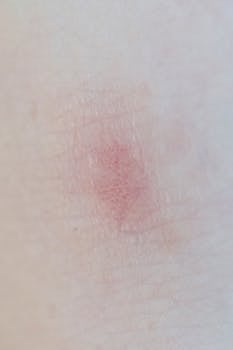
For many, understanding whether their skin rash is caused by rosacea or lupus can be challenging due to the similarities in their symptoms. Both conditions primarily manifest on the face, leading to confusion. In this article, we will delve into the key differences between rosacea vs lupus to help you identify which condition you may be dealing with. Understanding these differences is crucial for proper treatment and management.
Understanding Rosacea vs Lupus
Rosacea and lupus are both conditions that can lead to similar skin manifestations, but they have distinctive characteristics and underlying causes. Rosacea is a chronic skin condition characterized by facial redness, visible blood vessels, and sometimes acne-like breakouts. In contrast, lupus is an autoimmune disease that can affect multiple organs, with the skin and joint involvement being common. Lupus can cause a characteristic butterfly-shaped rash across the cheeks and nose.
Characteristics of Rosacea Rashes
Rosacea typically results in persistent facial redness, primarily affecting the cheeks, nose, and forehead. People with rosacea may experience visible blood vessels and a tendency for flare-ups triggered by certain factors such as sun exposure, hot drinks, and stress. While rosacea is not life-threatening, it can cause significant psychological distress due to its impact on appearance.
Identifying Lupus Rashes
The lupus rash, also known as the malar or butterfly rash, appears as a red, patchy rash across the face. This rash is usually symmetrical, covering both cheeks and the bridge of the nose. Lupus can also cause other types of skin rashes, including discoid lesions, which are thick, scaly patches on the skin. The presence of these rashes, along with other systemic symptoms such as joint pain, fatigue, and fever, can indicate lupus.
Diagnosis and Treatment
Diagnosing rosacea vs lupus involves a thorough clinical examination and history taking. Dermatologists may perform skin biopsies or blood tests to distinguish between the two conditions. Treatment for rosacea often involves topical and oral medications to control redness and inflammation, while lupus management usually requires immune-modulating medication.
For individuals experiencing undiagnosed rashes, consulting a healthcare professional is recommended. A comprehensive approach to patient care can be beneficial, as detailed in this article on how functional medicine addresses root causes.
Triggers and Management
Managing rosacea involves identifying and avoiding personal triggers such as spicy foods, alcohol, and extreme temperatures. Skincare routines that include gentle cleansing and moisturization are crucial. For lupus, avoiding excessive sun exposure and using prescribed medications are vital steps in preventing flare-ups.
Living with Skin Conditions
Both rosacea and lupus can affect quality of life, but with proper management, individuals can maintain their skin health and general well-being. Support groups and educational resources are helpful for navigating the challenges posed by these conditions.
Further information on the management of autoimmune diseases, including lupus, can be found on reliable sources such as the WHO health page.
Understanding the nuances between rosacea vs lupus is essential for accurate diagnosis and effective treatment. By gaining knowledge and seeking professional guidance, you can take proactive steps in managing your condition and improving your quality of life.
- Rosacea and lupus both cause facial rashes, but have distinct characteristics.
- Rosacea is often triggered by environmental factors, while lupus is autoimmune.
- Both conditions require professional diagnosis and individualized treatment plans.
- Managing triggers can significantly help in reducing flare-ups.
- Support groups and reliable resources can aid in managing these conditions.
What are the primary differences between rosacea and lupus?
Rosacea is a skin disorder causing redness and visible blood vessels, while lupus is an autoimmune disease that can affect various organs, with skin rashes as one symptom.
Can both rosacea and lupus cause joint pain?
Lupus can cause joint pain due to its systemic nature, while rosacea is primarily limited to skin symptoms and does not cause joint pain.
Are there lifestyle changes that can help manage these conditions?
Yes, avoiding triggers like sun exposure for lupus and certain foods or activities for rosacea can help manage symptoms.
Is it necessary to see a specialist for diagnosis?
Yes, both conditions require professional diagnosis, often by a dermatologist or rheumatologist, to ensure accurate understanding and treatment.
Do rosacea and lupus require different treatments?
Yes, rosacea often involves topical treatments and lifestyle changes, while lupus usually requires systemic medications to control inflammation and immune system activity.
Other Articles You May Find of Interest...
- What Does Basophilic Stippling Indicate About Your Health?
- My Journey to Healing: Discover How I Cured My Lichen Sclerosus
- Navigating the Eurolupus Protocol for Effective ANCA Vasculitis Management
- Macrocytic Anemia ICD 10: Symptoms, Causes, and Treatment Options Explained
- Living with a Paralyzed Diaphragm: Insights and Management Strategies
- Understanding Elevated Kappa Free Light Chains: Causes and Implications
- Managing Hyperkalemia: Essential Insights and ICD 10 Guidelines




