






More Chronic Illness Articles
Psoriasis, Eczema, and Dermatitis: Understanding the Key Differences
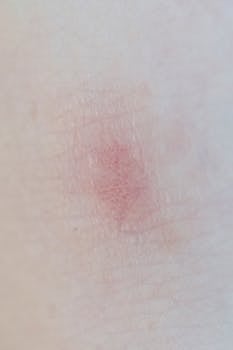
When it comes to managing skin conditions, understanding what’s the difference between psoriasis eczema and dermatitis can be crucial for proper treatment and care. Each condition involves inflammation of the skin but varies in causes, symptoms, and treatments. While these terms are sometimes used interchangeably, they are distinct conditions with specific characteristics. Let’s delve deeper into these differences and explore their unique attributes.
What’s the Difference Between Psoriasis, Eczema, and Dermatitis?
Psoriasis, eczema, and dermatitis each present differently on the skin and understanding these differences can aid in effective management strategies. Psoriasis is an autoimmune condition characterized by rapid skin cell turnover resulting in scaly patches. Eczema, or atopic dermatitis, often emerges from environmental triggers and allergies, leading to itchy, inflamed skin. Dermatitis is a broader term that encompasses conditions where the skin becomes red and sore, as seen in allergic reactions or irritant contact dermatitis.
Psoriasis: An Autoimmune Challenge
Psoriasis affects roughly 2-3% of the global population. It is an immune-mediated disease that causes the body to make new skin cells in days rather than weeks. The buildup of skin cells results in scaling and red patches that can be itchy and sometimes painful. Common areas affected include the elbows, knees, and scalp. Severity varies widely, and it can impact quality of life significantly.
Treatments often involve topical therapies, phototherapy, and systemic medications. Lifestyle changes and stress management also play a pivotal role in managing symptoms.
Understanding Eczema
Eczema, specifically atopic dermatitis, is a chronic condition that often begins in childhood. It may be linked to genetics and typically coexists with allergies or asthma. Eczema is characterized by itchy, inflamed, and cracked skin. Unlike psoriasis, which often presents with well-defined plaques, eczema can make the skin look dry and leathery due to continuous scratching.
Managing eczema involves moisturizers, topical steroids, and avoiding known triggers. Understanding the difference between eczema and other skin conditions helps tailor a proper skincare routine.
The Broad Spectrum of Dermatitis
Dermatitis is an umbrella term for skin inflammation. Contact dermatitis occurs when the skin reacts to certain substances, leading to a rash. This can be either allergic, where the immune system reacts to a substance such as poison ivy, or irritant, where a substance like a chemical causes direct damage to the skin.
Treatments for dermatitis typically involve avoiding triggers and using topical corticosteroids to reduce inflammation. Protective measures like wearing gloves or using barrier creams can also be beneficial.
For more in-depth coverage of integrative approaches to managing these conditions, you can explore evidence-based holistic and traditional medicine comparisons at Your Health Magazine.
Key Symptoms to Note
Recognizing the symptoms of psoriasis or eczema can help in distinguishing these conditions:
- Psoriasis: Thick, red skin with silver scales.
- Eczema: Dry, flaky, and itchy skin, appearing mainly in skin creases.
- Dermatitis: Red rashes that emerge upon contact with irritants.
Seeking Professional Diagnosis
If you are unsure which condition you might be dealing with, consulting a dermatologist is crucial. A professional diagnosis will often involve a physical exam, a review of your medical history, and occasionally, a biopsy for further analysis.
Conclusion
Understanding what’s the difference between psoriasis eczema and dermatitis can empower individuals to seek effective treatments and potentially improve their quality of life. While these conditions share similarities, their distinct features and treatments mean that management approaches vary greatly. Always consult a healthcare provider for personalized guidance and an appropriate treatment plan.
Takeaways
- Psoriasis is an autoimmune disorder resulting in rapid skin cell turnover and scaling.
- Eczema involves itchy, dry skin often triggered by environmental factors.
- Dermatitis is a general term for skin inflammation, commonly due to irritants or allergens.
- Consultation with a healthcare professional is recommended for accurate diagnosis.
- Education and awareness are key in managing these conditions.
FAQ
What causes psoriasis?
Psoriasis results from an overactive immune response where skin cells are produced too quickly and accumulate on the surface.
Can eczema be cured?
While there is no cure for eczema, symptoms can be managed effectively through skincare routines, medication, and avoiding triggers.
What are common irritants causing contact dermatitis?
Common irritants include harsh detergents, solvents, and prolonged exposure to water, which can cause contact dermatitis.
Are psoriasis and eczema contagious?
Neither psoriasis nor eczema are contagious. They are both chronic conditions stemming from genetics and environmental factors.
Where can I find reliable information about these skin conditions?
For accurate and detailed information, you may visit Wikipedia’s comprehensive health resource.
Other Articles You May Find of Interest...
- Is Procrit Injection the Right Choice for Your Health Needs?
- Is Polycythemia Vera a Form of Cancer? Understanding the Distinction
- What You Need to Know About Anticentromere Antibodies and Their Role in Health
- Can Nicotine Provide Relief for Osteoarthritis Symptoms?
- Mastering the Anion Gap Calculator for Better Health Insights
- Is Your UIBC Blood Test High? Understanding Its Implications and What It Means for Your Health
- Unraveling the Impacts of Parenchymal Disease on Your Health




