






Your Health Magazine
4201 Northview Drive
Suite #102
Bowie, MD 20716
301-805-6805
More Child Health and Safety Articles
Signs of Birth-Related Injuries in Newborns and When to Seek Help
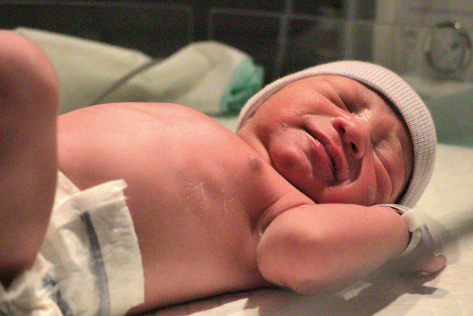
Most parents walk into the delivery room hoping for a smooth birth and a healthy baby in their arms. However, a few newborns show small signs that something did not go as planned, and those signs can be easy to miss at first. Below, we will go over the signs parents often notice, when a doctor should take a closer look, and what steps can bring clarity during a stressful time.
What Are Birth-Related Injuries?
A birth-related injury is a term for health issues a baby can face if a pregnancy, labor, or delivery do not unfold normally. Some of these issues are small and pass quickly, while others require more extensive care.
Sometimes these injuries come from moments like a long labor, a baby stuck during delivery, or a brief time when oxygen levels fall. Some parents read about body changes after birth to understand what seems normal for their baby.
Not every birth-related injury is easy to see right away. A baby may seem fine, then struggle with feeding, moving, or staying alert. When families wonder why, some talk with doctors and even Atlanta birth injury lawyers for guidance and clearer answers about next steps.
Physical Signs Parents Might Notice Early
In the first hours, certain physical signs suggest a tough delivery, often on the head, face, or arms, needing gentle attention. A bit of swelling or bruising on the head may show after birth, more so after a long labor. Usually these marks fade away quickly. Even then, parents often look for practical tips for families who worry about birth injuries.
Still limbs may relate to muscles or nerves strained during delivery, and calm medical visits usually help clear up doubts.Feeding time in the first days at home can tell parents many things. If a baby struggles to suck, swallow, or stay awake to eat, it might signal a problem. Doctors prefer hearing concerns early since simple checks can reassure or show if care is needed.
Skin color can also give early clues. A newborn who looks very pale, gray, or bluish beyond the first moments after birth should be checked. Changes in warmth, like a limb that feels cooler than the rest of the body, can also point to circulation issues worth a doctor’s look.
Details like heart rate changes, use of delivery tools, or emergency actions can also offer clues. These records help medical teams connect early symptoms with events during labor and choose appropriate care.
Neurological and Behavioral Warning Signs
Certain signs are quiet and tie into how a newborn’s brain and nerves are working each day. Parents sometimes spot unusual reactions or notice a baby who rarely wakes and looks sleepy. It may feel minor, but it matters when it keeps happening or seems unlike newborn behavior.
A warning sign can be jerking or stiffening that continues even when you gently hold the baby and try to calm them. Some newborns seem floppy with low strength. Others arch their backs often, and these movements can mean the nervous system feels stressed today.
A sharp, very high-pitched cry can make parents uneasy and unsure what it means. Some later read about how birth injuries affect mothers emotionally and start to understand the weight of it, so honest conversations with doctors and support groups become important for them.
Changes in how a baby handles touch can also matter. A newborn who startles hard at gentle contact, or barely reacts to noise or cuddling, may be showing sensory differences. These responses help doctors understand how the nervous system is adjusting after birth.
How Doctors Diagnose Birth Injuries
Doctors often begin by listening to parents and going over what happened during pregnancy and delivery. Afterward, they check the baby’s movements, reflexes, and alertness during an exam.
If issues do not fully dissipate, doctors may suggest tests such as an ultrasound, brain scans, or basic blood tests. These tools can reveal bleeding, swelling, or oxygen issues that are not visible just by watching the baby during early visits.
Since some injuries take time to appear, doctors follow a baby’s growth over weeks and months. They watch feeding, movement, and reactions to people. Checkups let them compare progress and notice delays that might signal a concern, so families can understand what is changing.
Sometimes the evaluation includes specialists, such as neurologists or therapists who focus on newborn care. Some parents come across accounts of babies harmed by medical mistakes, and that encourages them to ask detailed questions and learn more about their child’s care.
When to Seek Medical and Professional Help
Parents should call a pediatrician when a newborn shows changes that feel unusual or worrying. Early calls often bring simple reassurance, and doctors prefer answering small concerns rather than missing a real problem for safety.
Seek care quickly if a baby struggles to breathe, turns blue near the lips, has a fever, or cries in a painful-sounding way. These signs do not always signal danger, but they deserve prompt medical attention to rule out serious issues and protect the baby.
Professional help can include nurses, therapists, or early support programs that guide families at home. Reaching out does not mean something is very wrong. It simply offers clearer answers and steady support, which can calm worries during those first delicate weeks with a newborn.
Supporting Your Child’s Recovery and Development
Many babies benefit from therapy, light exercises, and regular checkups. These supports build strength and help new skills come. Little improvements still count over time. Parents are part of recovery through daily care and simple attention.
Moments like tummy time, talking, and relaxed play help a child grow. Doctors may suggest early services that share ideas and activities designed around a child’s pace and needs for them right now. Meeting with counselors or joining support groups can reduce stress and remind parents that they have help and hope ahead as time goes.
Keeping a simple notebook of milestones and questions can also help. Writing down when a baby holds their head up, rolls, or responds to voices gives doctors clearer information. These notes make appointments more useful and help track real progress, not just memory.
Endnote
Noticing changes, asking questions, and seeking care when needed can protect a newborn’s health and give families clearer answers during uncertain early days. While the road may feel heavy at times, families who stay informed and supported often feel more confident guiding their child forward in the years ahead.
Other Articles You May Find of Interest...
- A Look At Concierge Pediatrics And The Shift Toward Preventive Child Wellness
- Healthy Glucose Levels in Infants: What Parents Need to Know
- Exploring the Significance of Flapping of the Hands in Health and Behavior
- Why Pediatric House Calls Are Making a Comeback for Busy Families
- When Is Medicating the Right Direction for Children with AuDHD and What Are the Effects?
- ADHD in Children: A Guide for Parents
- Essential Guide to Monitoring Pediatric Vitals for Optimal Child Health




