






More Beauty Skin Care & Gorgeous Smiles Articles
What Is Naevus Becker and How Does It Affect Your Skin?
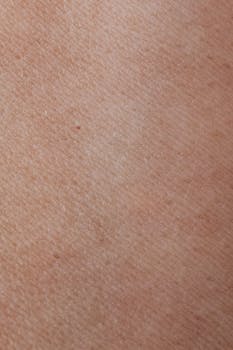
Naevus Becker, also known as Becker’s nevus, is a skin condition that primarily manifests as a hyperpigmented patch, often accompanied by increased hair growth over the affected area. This skin anomaly usually appears during adolescence, predominantly in males, and tends to stabilize in adulthood. Understanding its appearance and implications is crucial for individuals diagnosed with naevus becker, as it can affect aesthetic concerns and, in rare cases, indicate other health considerations.
What Is Naevus Becker?
Naevus Becker is characterized by an area of skin that becomes darker than the surrounding skin, usually occurring on the upper body, such as the chest, shoulder, or back. This hyperpigmented patch may also thicken and become bumpy, resembling a rough texture. Although the exact cause is unknown, hormonal changes during puberty are believed to trigger its development, which may explain why it is more prevalent in males. While typically benign, it is essential to monitor the nevus for any changes over time.
Clinical Presentation and Diagnosis
The appearance of a naevus becker can vary significantly from person to person. Generally, it manifests as a single, large brown patch with irregular borders. Hair growth over the spot may be more pronounced, a condition known as hypertrichosis. Diagnosis is primarily clinical, based on visual examination by a healthcare professional. If there is uncertainty or cosmetic concerns, a dermatologist may perform a skin biopsy to rule out other conditions.
Treatments and Cosmetic Options
Most cases of naevus becker do not require medical treatment, as the condition is benign. However, some individuals may seek treatment for cosmetic reasons. Options include laser therapy, which can help reduce pigmentation and hair growth. It is crucial to discuss the potential outcomes and limitations of these treatments with a dermatologist before proceeding. Patients should have realistic expectations as complete removal may not be possible.
Associated Conditions
While naevus becker is primarily a dermatological concern, it may occasionally be associated with other health conditions, collectively known as Becker’s nevus syndrome. In such cases, individuals may experience other symptoms like breast hypoplasia or muscular abnormalities. It is vital to consult with a healthcare provider to assess any potential related conditions.
Psychological and Social Impact
For some, the presence of a naevus becker can lead to self-consciousness and affect body image. It is essential to address these psychological impacts. Support from friends, family, or a mental health professional can be beneficial. Developing strategies for self-acceptance and exploring options to conceal or reduce the appearance of the naevus can also be helpful.
Prevention and Monitoring
While there is no known method to prevent the onset of naevus becker, regular monitoring of the patch by a dermatologist is recommended. Any changes in size, texture, or color should be promptly evaluated. Living with naevus becker can include adopting strategies to manage its appearance, like using sun protection to prevent further pigmentation and exploring clothing options that make one feel comfortable and confident.
For more information on related skin conditions and their implications, consider visiting various health resources or explore articles such as weight loss approaches and hidden causes.
Further Resources
While living with naevus becker may pose cosmetic challenges, understanding its nature and available management options is empowering. For comprehensive and credible health information, explore this educational resource for more general insights into maintaining health and well-being.
Ultimately, a balanced approach to managing naevus becker includes understanding the condition, consulting healthcare professionals, and exploring cosmetic solutions to enhance self-image and comfort.
In conclusion, naevus becker may require a broader understanding of both its dermatological and psychological aspects. By addressing all concerns holistically, individuals can effectively manage the condition’s impact on their daily lives.
- Naevus Becker typically presents as a hyperpigmented patch, appearing mainly in males during adolescence.
- The condition is benign, with treatment options primarily for cosmetic reasons.
- It’s important to monitor the patch over time and consult with healthcare providers for associated conditions.
- Laser therapy can help reduce pigmentation and hair growth, though outcomes vary.
- Addressing potential psychological impacts is crucial for overall well-being.
What causes naevus becker?
The exact cause of naevus becker is unknown. It is believed that hormonal changes during puberty may trigger its development, explaining its higher prevalence in males.
Is naevus becker cancerous?
No, naevus becker is a benign condition. It does not evolve into cancer; however, continuous monitoring is advised to observe any changes in appearance.
Can treatment completely remove naevus becker?
Treatment options, such as laser therapy, can reduce pigmentation and hair growth but may not completely remove the naevus. Outcomes vary among individuals.
Does naevus becker affect only males?
While it is more commonly seen in males due to hormonal factors, females can also develop naevus becker, albeit less frequently.
Are there any complications associated with naevus becker?
Complications are rare, but naevus becker can be associated with other conditions as part of Becker’s nevus syndrome. Regular consultations with a healthcare provider are recommended to manage any potential health implications.
Other Articles You May Find of Interest...
- Managing Keloids After a Belly Button Piercing: Tips for Prevention and Treatment
- How Photofacial Treatment In Melbourne Improves Skin Tone
- What Are Those White Spots on Your Lips?
- Spider Veins vs Varicose Veins: Key Differences Explained
- Revealing the Causes and Solutions for Sunken Eyes
- How Does Rhinoplasty Affect Breathing? 5 Important Things to Know
- The Confidence Connection: How Skin, Smile, and Self-Care Shape the Way You Show Up



