






More Beauty Skin Care & Gorgeous Smiles Articles
Managing Keloids After a Belly Button Piercing: Tips for Prevention and Treatment
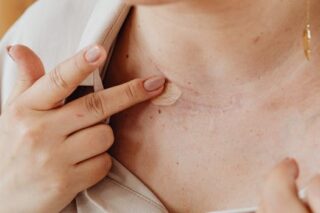
If you recently got a belly button piercing, you might be worried about the potential for developing keloids. Keloids are raised scars that can develop at the site of a wound, including piercings, and they can be particularly noticeable on the belly button. Though not harmful, keloids can be cosmetically unappealing and may cause discomfort or itching.
Understanding Belly Button Piercing with Keloid
When a skin injury occurs, like a belly button piercing, your body’s natural response is to heal the wound by producing collagen. In some cases, the body continues to produce collagen even after the wound has healed, leading to the formation of a keloid. Unlike regular scars, keloids raise above the skin and extend beyond the original wound area.
Those with a family history of keloids or people with darker skin tones are more susceptible to developing keloids. This condition does not discriminate by age, although it most commonly affects individuals between the ages of 10 and 30.
Preventing Keloids After a Piercing
Preventing keloids starts with proper piercing care. Ensure that your piercing is done by a professional using sterile equipment to minimize the risk of irritation and infection, which can contribute to keloid formation. Aftercare instructions should be followed diligently, including routine cleaning of the piercing with a saline solution.
Additional Tips for Prevention
- Avoid unnecessary friction or pressure on the piercing.
- Refrain from removing or frequently changing jewelry during the initial healing phase.
- Consider applying silicone gel sheets or gels, as they may help reduce keloid formation.
For more tips on maintaining a healthy lifestyle after your piercing, read our article on safe and effective weight loss approaches.
When to Seek Care
If you notice a raised scar developing at the site of your belly button piercing, it’s important to seek advice from a dermatologist. They can assess whether the bump is indeed a keloid or another type of scar. Consult a healthcare provider promptly if the scar becomes painful, continues to grow, or if you observe any signs of infection such as redness, swelling, or pus.
Keloid Treatment Options
While prevention is key, various treatment options exist if a keloid develops. These treatments aim to reduce the size and appearance of the keloid but might not remove it completely. Common methods include:
- Corticosteroid Injections: Often used to flatten keloids and reduce itching.
- Laser Therapy: Can decrease the keloid’s size and improve skin texture.
- Surgery: Surgical removal is an option, though keloids can recur.
- Pressure Dressings or Silicone Sheets: These are often applied to flatten keloid scars.
Alternative treatments such as certain topical creams and cryotherapy are also available. Always consult a healthcare professional to determine which treatment is most appropriate for you. For more detailed information on keloid treatment, the Mayo Clinic offers further resources.
Understanding Medication and Treatment Effects
When exploring treatment for keloids, it’s normal to wonder about the effects of medications and remedies. Here are some real-world scenarios:
- It’s generally unnecessary to stop other medications while undergoing keloid treatment.
- Some treatments may need repeated applications for optimal results, and side effects can include skin irritation.
- If prescription creams are involved, discuss potential interactions with your healthcare provider.
Takeaways
- Understanding your risk factors can help prevent keloids.
- Proper piercing aftercare is crucial in minimizing the chance of keloid formation.
- Consult a dermatologist if a keloid develops or causes discomfort.
- Treatment options exist, but complete removal of keloids may not be feasible.
- Remain informed about the effects and interactions of treatments or medications.
Common Questions
What should I do if I suspect a keloid is forming?
Consider seeing a dermatologist who can diagnose the keloid and guide treatment options.
Are there home remedies to prevent keloids?
While no home remedy can prevent keloids outright, maintaining good hygiene and following piercing aftercare instructions can minimize risk.
How long does it take for a belly button piercing to heal?
Typically, a belly button piercing may take up to 6–12 months to fully heal, depending on individual care and body response.
Is there a chance my keloid could recur after treatment?
Unfortunately, keloids can recur even after treatment. Your healthcare provider can discuss ways to manage this risk.
When should I consult a healthcare provider?
If you notice persistent pain, growth, or signs of infection around the piercing, it’s essential to consult a healthcare professional for further evaluation.
Other Articles You May Find of Interest...
- How Lifestyle and Personal Goals Can Shape Your Breast Augmentation Choices
- The Most Popular Cosmetic Treatments by Age Group
- What Makes a HydraFacial Treatment Professional?
- Botox vs Dysport vs Xeomin: Which Neuromodulator Is Right for You?
- Understanding PDRN Therapy: The Science Behind Skin Barrier Repair and Tissue Regeneration
- Who Is a Suitable Candidate for Breast Augmentation?
- Peptides vs Retinoids for Sensitive Skin: Why Matrixyl 3000 and CoQ10 Are Changing the Conversation





