






More Beauty Skin Care & Gorgeous Smiles Articles
What Does It Mean to Be Erythematous? Understanding Skin Conditions
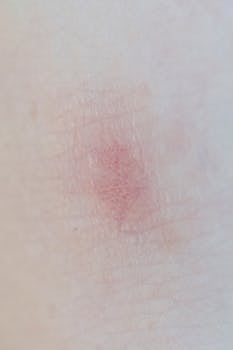
Many people encounter the term erythematous when dealing with skin conditions. But what exactly does the definition erythematous mean, and how does it relate to overall skin health? Erythematous is a term used in dermatology to describe a reddening of the skin resulting from increased blood flow, often due to inflammation or irritation. It is a common descriptor in various skin conditions, indicating an area that is inflamed or congested.
Definition Erythematous: What Does It Mean?
An erythematous area of the skin is characterized by redness due to the swelling of the capillaries. It can be a result of numerous factors, ranging from mild irritation to more serious medical conditions. Often, it is a sign that the body is responding to a trigger, which can include allergies, infections, or chronic skin disorders like eczema or psoriasis.
Common Causes of Erythematous Skin
Understanding the causes of erythematous skin can help in managing and treating it effectively. Here are some common causes:
- Allergic Reactions: Substances such as certain foods, medications, or pollen can cause an allergic reaction, leading to erythema.
- Infections: Bacterial, viral, or fungal infections can cause redness of the skin as the body fights off the pathogens.
- Chronic Conditions: Conditions like rosacea or lupus often present with eczematous and erythematous areas.
- Environmental Factors: Excessive sun exposure or harsh weather can irritate the skin, leading to redness. For more on how varied environmental factors can impact health, explore this article about hidden health causes.
Symptoms Associated with Erythematous Conditions
While redness is a defining feature, erythematous skin may also be accompanied by other symptoms, indicating the underlying cause:
- Swelling: Often accompanied by puffiness around the reddened area.
- Itching or Burning: Many erythematous conditions are itchy or may cause a burning sensation.
- Blistering or Crusting: In severe cases, the skin can blister or develop a crust.
Treatments and Management of Erythematous Conditions
Treating erythematous skin involves addressing the underlying cause, as well as relieving symptoms. Approaches may include:
- Topical Treatments: Creams containing corticosteroids can help reduce inflammation and redness.
- Anti-Allergy Medications: Antihistamines may be advised to manage allergic reactions.
- Lifestyle Adjustments: Avoiding known triggers and practicing good skincare routines can prevent flare-ups.
- Consultation with Healthcare Providers: Always seek professional advice, as persistent erythema may need medical interventions.
For additional details on skincare and management strategies, consider visiting the Wikipedia health page for comprehensive insights.
What to Discuss with Your Dermatologist
Communication with your healthcare provider is crucial when dealing with persistent skin issues. Here are some points to consider:
- Discuss any new or worsening symptoms, including how long they have been present.
- Mention any over-the-counter treatments you have tried and their effects.
- Seek advice on lifestyle changes that may benefit your skin health.
- Ask about prescription treatments that may be necessary for your condition.
Conclusion
Understanding the definition erythematous helps in recognizing and addressing various skin issues. By identifying potential causes and seeking professional advice, you can manage symptoms effectively. Ultimately, achieving healthy, balanced skin often requires a holistic approach that includes professional evaluations, appropriate treatments, and lifestyle adaptations.
- Redness or erythema refers to increased blood flow to the skin.
- Common causes include allergies, infections, and chronic conditions.
- Seek medical advice for persistent or severe symptoms.
- Management involves identifying triggers and appropriate treatments.
- Professional guidance is essential for optimal skincare.
FAQs
What does erythematous skin indicate?
Erythematous skin indicates an increase in blood flow to the affected area, often due to inflammation or irritation.
Can erythematous skin be serious?
While often mild, erythematous skin can indicate serious underlying conditions, warranting medical evaluation.
How can I prevent erythematous flare-ups?
Prevention includes identifying and avoiding triggers, using gentle skincare products, and consulting a dermatologist for persistent issues.
When should I see a doctor for erythematous skin?
If symptoms persist, worsen, or are accompanied by other concerning signs like pain or fever, seek medical advice.
Are there natural remedies for erythematous conditions?
Some natural remedies may offer relief; however, consult with a healthcare professional to ensure they are suitable for your condition.
Other Articles You May Find of Interest...
- Unlocking the Benefits of Biotin Tablets for Healthier Hair and Skin
- Unlocking the Power of Red Light Benefits for Enhanced Health and Wellness
- Causes and Remedies for Dry Spots on Your Lips
- What Do White Dots on Nails Indicate About Your Health?
- What Are Those Small Black Dots on Your Skin?
- How to Improve Skin Firmness Without Looking Overdone
- Holistic Skin Care: Why Organic Ingredients Matter for Healthy Skin




