






More Beauty Skin Care & Gorgeous Smiles Articles
What Are the Common Causes of Chest Acne?
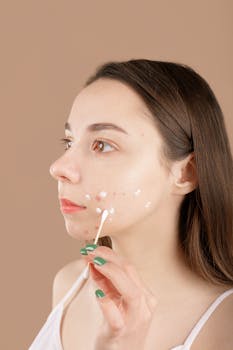
Chest acne is a common skin condition that affects people of all ages, adding to the stress and discomfort of maintaining clear skin. Understanding the chest acne causes can help individuals take preventative and corrective measures. The skin on the chest is similar to that on the face and back, which means it is prone to similar issues, such as clogged pores and bacterial infections.
Understanding Chest Acne Causes
The primary causes of chest acne include a combination of hormonal fluctuations, lifestyle factors, and skin care routines. Hormonal changes, especially during puberty, can lead to an increase in oil production, which may result in acne. Additionally, genetics often play a role in how prone an individual is to developing acne.
Hormonal Influences
Hormonal changes, particularly those that occur during puberty, menstruation, pregnancy, and stress, can lead to increased sebum production. This excess oil can clog pores, leading to acne formation. This is a significant reason why teenagers and young adults are more prone to acne. However, it can affect individuals at any age.
Lifestyle Factors
Several lifestyle choices can contribute to the development of chest acne. For example, wearing tight or synthetic clothing can trap sweat and oil against the skin, exacerbating acne. Moreover, certain diets high in sugar and dairy are suspected to worsen acne. Poor hygiene, such as not showering after workouts, can also lead to an accumulation of sweat and bacteria on the skin.
For more insights into how lifestyle choices can impact overall health, you might want to read about how lifestyle choices impact our overall health.
Skin Care Products
Some skincare products and cosmetics can contribute to chest acne by clogging pores. Products that are not non-comedogenic, which means they do not prevent pore blockages, can exacerbate acne conditions. It’s essential to choose skincare products suitable for your skin type to minimize the risk of acne.
Friction and Pressure
Acne mechanica is a form of acne that results from friction, pressure, or rubbing on the skin. This can be due to tight clothing, backpacks, or sports equipment. The friction and pressure can irritate the hair follicles, potentially leading to clogged pores and acne.
Mental Health and Stress
Stress has been identified as a factor that can worsen acne conditions. When stressed, the body releases more cortisol, a hormone that can increase oil production, leading to blocked pores and acne eruptions. Managing stress through relaxation techniques and a healthy lifestyle may help reduce acne flare-ups.
What You Can Do About Chest Acne
While understanding the chest acne causes can help guide treatment, individuals dealing with acne should take several methods into account. Keeping the skin clean and dry, choosing appropriate skincare products, and wearing loose, breathable clothing are effective strategies.
Dietary Modifications
While there is no direct evidence linking specific foods to acne, maintaining a balanced diet may benefit skin health. Eating a diet rich in fruits, vegetables, and whole grains, while avoiding excessive sugar and processed foods, could potentially minimize acne occurrences, although more research is needed.
Consulting with a Dermatologist
If chest acne persists or worsens, it’s essential to consult with a dermatologist. They can provide personalized treatment options, which may include topical treatments, oral medications, or other therapies that address the underlying cause of acne. Consulting with a healthcare professional ensures that you are using the most effective treatment strategy suitable for your skin type and condition.
Learn More About Skin Health
For more comprehensive information on skin health and acne management, consider consulting resources like this Wikipedia article on health, which provides an overview of various health-related topics, including skin care.
Understanding the chest acne causes empowers individuals to take proactive steps in managing and potentially reducing acne outbreaks. Personalized care and attention to lifestyle choices can significantly influence outcomes.
- Chest acne is influenced by hormonal changes, lifestyle factors, and genetics.
- Wearing loose, breathable clothing can help reduce friction-induced acne.
- Consulting with a dermatologist can provide personalized treatment options.
- A balanced diet may contribute positively to skin health.
- Managing stress can help prevent acne flare-ups.
What are the main causes of chest acne?
The main causes of chest acne include hormonal fluctuations, lifestyle factors such as diet and hygiene, and skincare products that clog pores.
Can stress cause chest acne?
Yes, stress can lead to increased oil production due to elevated cortisol levels, which may contribute to clogged pores and acne formation.
What lifestyle changes can help reduce chest acne?
Wearing loose clothing, maintaining good hygiene, using non-comedogenic skincare products, and managing stress can help reduce chest acne.
Should I consult a dermatologist for chest acne?
If chest acne persists or worsens, consulting a dermatologist is recommended for proper diagnosis and personalized treatment.
Does diet affect chest acne?
While direct links are unclear, a balanced diet rich in fruits, vegetables, and whole grains may support overall skin health and help manage acne.
Other Articles You May Find of Interest...
- Mastering Facial Expressions: The Role of the Depressor Anguli Oris Muscle
- Navigating the Accutane Purge: What to Expect and How to Cope
- What Is Lichenoid Keratosis and How Can You Manage It?
- The Truth Behind Mewing: Does It Really Work for Facial Structure?
- Effective Solutions for Managing Anale Skin Tags and Enhancing Your Comfort
- Unlock the Skin Healing Power of Oregano Oil Benefits
- Can Retin A Cream Effectively Reduce Stretch Marks?



