






More Beauty Skin Care & Gorgeous Smiles Articles
Unlocking the Power of Peptides: Their Uses and Benefits Explained
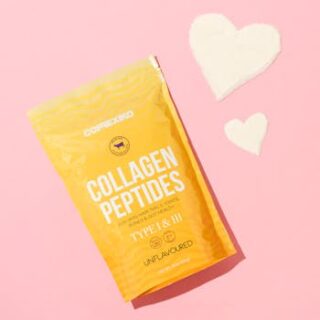
Peptides are short chains of amino acids that play crucial roles in our body’s biological functions. So, what are peptides used for? They are widely applied in various fields, including anti-aging treatments, weight management, and even cognitive enhancement. Understanding the diverse uses of peptides can help you make informed decisions about their potential benefits for your health and wellness.
What Are Peptides Used For?
Peptides have gained popularity due to their versatility and therapeutic potential. In skincare, peptides are known for their ability to reduce wrinkles and improve skin elasticity by stimulating collagen production. This makes them an essential ingredient in many anti-aging products.
In sports nutrition and bodybuilding, peptides are valued for their role in muscle growth and repair. Certain peptides can enhance the body’s ability to produce growth hormones, potentially leading to improved muscle recovery and increased muscle mass.
Peptides are also being studied for their potential in weight management. They may influence appetite regulation by interacting with hormones and neurotransmitters that control hunger and satiety. For more information, consider reading about the importance of a high-protein diet for weight loss.
List of Peptides and What They Do
With numerous peptides identified, each serves distinct purposes in the body. Here’s a list of peptides and what they do:
- Collagen Peptides: Promote skin health by enhancing elasticity and reducing wrinkles.
- Carnosine: Known for its antioxidant properties, it may improve physical performance and support healthy aging.
- Creatine Peptides: Often used by athletes to boost energy and athletic performance.
- Thymosin Beta-4: Plays a role in tissue repair and may accelerate the healing of wounds and injuries.
- GHK-Cu: This copper peptide is believed to help with skin repair and regeneration.
These peptides highlight the diverse array of functions that peptides can perform in the body, showcasing their potential in both aesthetic and health applications.
The Science Behind Peptides
Peptides work by mimicking the functions of naturally occurring peptides in the body. They can interact with specific receptors on cell surfaces, triggering various biological processes. This process is essential in developing peptide-based medications and therapies that target specific health conditions.
Furthermore, advancements in biotechnology have enabled the synthesis of peptides with enhanced stability and efficacy, opening new avenues for drug development and personalized medicine.
Safety and Considerations
While peptides offer promising benefits, it’s essential to consider safety and efficacy. The regulatory status of peptides varies, and not all peptides are approved for therapeutic use by governing bodies. Many are available in supplements, but quality and dosage can vary significantly.
Always consult a healthcare provider before starting any new peptide-based supplement or treatment to address potential interactions and ensure suitability for your personal health needs.
Conclusion
In summary, what are peptides used for? Peptides serve multiple functions, ranging from skincare to muscle growth and beyond. Their ability to mimic natural peptides in the body offers vast therapeutic potential for a healthier lifestyle. Though promising, understanding their applications and consulting professionals is crucial for safe use.
- Peptides are amino acid chains with versatile biological roles.
- Applications include skincare, sports nutrition, and weight management.
- Regulatory status varies; consult a health professional before use.
- The science of peptides is continually advancing, offering new possibilities.
- For more scientific information, visit this page on Wikipedia.
FAQs
What are the best peptides for anti-aging?
Collagen peptides and GHK-Cu are popular in anti-aging skincare due to their effects on skin elasticity and repair.
Can peptides help with muscle growth?
Yes, peptides like creatine peptides may help increase muscle growth and enhance recovery by stimulating hormone production.
Are peptides safe to use?
Peptides are generally considered safe, but it’s important to choose high-quality products and consult healthcare experts, particularly for peptide supplements or treatments.
Do peptides help with weight loss?
Some peptides may influence appetite and metabolism, potentially aiding in weight management when combined with a proper diet and exercise.
How do I incorporate peptides into my routine?
Peptides can be found in various forms, including supplements, creams, and serums. Start with low doses and seek guidance from a healthcare provider to tailor them to your needs.
Other Articles You May Find of Interest...
- Effective Solutions for Dermatofibroma Treatment and Management
- The Impact of Blue 1 Dye on Your Health: What You Need to Know
- Clear Skin Is a Health Priority, Not a Cosmetic Luxury
- Effective Ways to Eliminate Sebaceous Filaments for Clearer Skin
- Effective Strategies for Managing Psoriasis Symptoms and Understanding ICD 10 Codes
- Can Sunscreen Affect Your Vitamin D Levels?
- Mastering Facial Expressions: The Role of the Depressor Anguli Oris Muscle



