






More Beauty Skin Care & Gorgeous Smiles Articles
Unlock the Secrets to Radiant Skin: The Benefits of a Yellow Facial
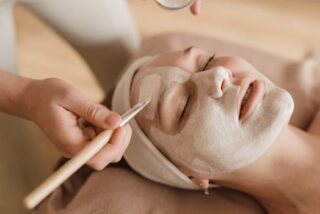
Have you ever come across the term “yellow facial” and wondered what it involves? You’re not alone. This unique skincare treatment is gaining popularity for its potential to enhance skin radiance and health. In this article, we’ll explore what a yellow facial is, its benefits, and how it can fit into your skincare routine.
The Benefits of a Yellow Facial
A yellow facial is a specialized skincare treatment that typically involves the use of products containing ingredients like vitamin C, turmeric, and other antioxidants. These components are known for their brightening and anti-inflammatory properties, which may contribute to a glowing complexion. Here’s a closer look at the benefits:
- Brightens Skin: The antioxidants in a yellow facial work to reduce dark spots and hyperpigmentation, leading to a more even skin tone.
- Fights Aging: Ingredients like vitamin C can help stimulate collagen production, reducing the appearance of fine lines and wrinkles.
- Reduces Inflammation: Turmeric, a common component, is well-known for its anti-inflammatory effects, which can help soothe irritation and redness.
To further understand how a yellow facial can benefit your skin, it’s essential to consider your individual skin needs and conditions. A consultation with a dermatologist can provide personalized recommendations.
How to Incorporate a Yellow Facial in Your Routine
Integrating a yellow facial into your skincare regimen can be done in a few simple steps. First, consider seeking treatment from a professional esthetician who specializes in this type of facial. They can tailor the treatment based on your skin type and goals.
Alternatively, there are over-the-counter products designed to mimic the effects of a yellow facial. Look for serums and masks with high concentrations of vitamin C and other yellow facial-friendly ingredients. Be sure to follow product instructions carefully to avoid irritation.
As with any skincare adjustment, it’s crucial to monitor how your skin reacts. Start with less frequent applications and gradually increase as tolerated.
Common Ingredients in a Yellow Facial
A yellow facial commonly includes ingredients that are rich in antioxidants and anti-inflammatory properties. Key ingredients often include:
- Vitamin C: Known for its brightening effects and ability to stimulate collagen production.
- Turmeric: Offers anti-inflammatory benefits, helping to calm irritated skin.
- Niacinamide: Helps to improve skin texture and even out skin tone.
These ingredients, when used in combination, work synergistically to enhance the skin’s appearance and health.
Potential Risks and Considerations
While a yellow facial offers numerous benefits, it may not be suitable for everyone. Those with sensitive skin or allergies to any of the ingredients should approach this treatment with caution. Patch testing a product before full application is always advisable.
It’s important to note that while these treatments can support skin health, they should not replace medical treatments for serious skin conditions. Consulting a dermatologist is recommended for any concerns or to personalize your skincare regimen effectively.
Maintaining Radiant Skin with Lifestyle Choices
The benefits of a yellow facial can be enhanced when combined with healthy lifestyle practices. A balanced diet, adequate hydration, and regular exercise can support skin health and overall well-being.
For more on how lifestyle choices affect skin health, visit our article on healthy living and skincare.
Remember, skincare is a continuous journey, and consistency is key to maintaining radiant skin.
Best Practices for Post-facial Care
After a yellow facial, it’s essential to follow specific post-care instructions to maximize results and ensure skin health:
- Avoid direct sunlight and protect your skin with a broad-spectrum sunscreen.
- Skip using other potential irritants immediately following the treatment.
- Maintain hydration and moisturize to support skin recovery.
These practices can help sustain the glow and effectiveness of the yellow facial treatment.
The yellow facial presents a unique opportunity to enhance skin radiance and health. By understanding its benefits, potential risks, and best practices, you can make an informed decision about incorporating it into your skincare journey. For more information on skincare ingredients and their effects, visit the Health Wikipedia Page.
- Yellow facials can help brighten and even skin tone.
- Common ingredients include vitamin C and turmeric.
- Consult a dermatologist for personalized advice.
- Follow post-care tips for best results.
FAQs
What is a yellow facial?
A yellow facial is a skincare treatment designed to brighten and even out the skin using ingredients like vitamin C and turmeric.
Is a yellow facial suitable for all skin types?
While generally safe, those with sensitive skin or allergies to specific ingredients should conduct a patch test and consult a dermatologist.
How often should I get a yellow facial?
The frequency depends on individual skin needs and dermatologist recommendations, but typically once a month is sufficient.
Can I do a yellow facial at home?
Yes, there are products available for at-home use, but it’s important to follow instructions and monitor skin response.
What are the aftercare recommendations following a yellow facial?
Post-facial care includes avoiding sun exposure, moisturizing, and steering clear of harsh skin treatments immediately after.
Other Articles You May Find of Interest...
- How Lifestyle and Personal Goals Can Shape Your Breast Augmentation Choices
- The Most Popular Cosmetic Treatments by Age Group
- What Makes a HydraFacial Treatment Professional?
- Botox vs Dysport vs Xeomin: Which Neuromodulator Is Right for You?
- Understanding PDRN Therapy: The Science Behind Skin Barrier Repair and Tissue Regeneration
- Who Is a Suitable Candidate for Breast Augmentation?
- Peptides vs Retinoids for Sensitive Skin: Why Matrixyl 3000 and CoQ10 Are Changing the Conversation





