






More Beauty Skin Care & Gorgeous Smiles Articles
Unlock the Benefits of Glycolic Acid for Radiant Skin
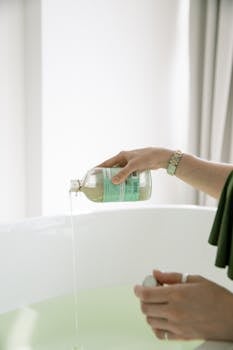
Glycolic acid glycolic acid, a popular alpha hydroxy acid (AHA), is widely renowned for its potential benefits to the skin. This water-soluble acid, derived from sugar cane, is known for its ability to exfoliate the skin, reduce signs of aging, and improve overall skin texture. In this article, we’ll explore what glycolic acid does for skin and delve into some of its popular uses.
The Power of Glycolic Acid Glycolic Acid
Glycolic acid is often celebrated in skincare due to its small molecular size, which allows for deeper penetration into the skin’s surface. This deeper penetration facilitates more effective exfoliation, removing dead skin cells that can lead to clogged pores and dullness. As a result, glycolic acid can contribute to a more radiant and even complexion.
One of the primary benefits of glycolic acid is its ability to stimulate collagen production. Collagen is an essential protein that provides structure to the skin, and as we age, its production decreases, leading to wrinkles and sagging skin. By promoting collagen synthesis, glycolic acid helps maintain youthful skin.
What Does Glycolic Acid Do for Skin?
Glycolic acid offers several benefits beyond exfoliation. It helps reduce hyperpigmentation by promoting the shedding of pigmented skin cells and encouraging the formation of new, evenly pigmented cells. This can be particularly beneficial for individuals concerned with sun spots, melasma, or other forms of discoloration.
Additionally, glycolic acid can improve the skin’s moisture content. By removing the layer of dead skin cells, it allows moisturizers to penetrate more effectively and keep the skin hydrated. This can be especially helpful for those with dry skin types.
Glycolic Acid Uses in Skincare
Glycolic acid is versatile in its applications, ranging from facial peels to everyday serums and creams. It’s commonly found in concentrations from 5% to 30% for home use, while higher concentrations are usually reserved for professional treatments.
When using glycolic acid products, it’s crucial to start with lower concentration formulations to allow your skin to adjust. This minimizes the risk of irritation or increased sensitivity. Over time, you can gradually increase the concentration as your skin builds tolerance.
To learn about personal care routines, you might find articles on recovery strategies, like understanding the stages of recovery, helpful as well.
Incorporating Glycolic Acid Into Your Routine
When integrating glycolic acid into your skincare regime, consider the following tips:
- Perform a patch test before full application to ensure no adverse reactions.
- Use sunscreen daily, as glycolic acid can increase sun sensitivity.
- Combine with moisturizing and nourishing products to maintain skin barrier health.
- Avoid combining with other active ingredients like retinol initially to prevent irritation.
If you’re new to glycolic acid or any active skincare ingredient, consulting with a dermatologist can offer personalized guidance to address your specific needs and concerns.
Potential Side Effects of Glycolic Acid
While glycolic acid can be beneficial, it’s essential to be aware of potential side effects. Some individuals might experience redness, irritation, or peeling, especially if used in high concentrations. These reactions typically subside as the skin acclimates to the product.
Moreover, since glycolic acid increases photosensitivity, diligent use of sunscreen is crucial to protect your skin from UV damage. For more detailed information on skincare safety, visit this comprehensive health resource.
Conclusion
Incorporating glycolic acid glycolic acid into your skincare routine can unlock a wealth of benefits, from improved texture to reduced signs of aging. By understanding its uses and precautions, you can effectively harness its potential for radiant skin.
- Glycolic acid is effective for exfoliating and brightening the skin.
- It supports collagen production and reduces hyperpigmentation.
- Use caution with concentration levels and protect your skin with sunscreen.
- Avoid using with strong actives initially to prevent irritation.
- Consult a dermatologist for personalized skincare advice.
FAQ
What is glycolic acid derived from?
Glycolic acid is derived from sugar cane and belongs to the alpha hydroxy acid (AHA) family, known for its exfoliating properties.
What concentration of glycolic acid should I start with?
It’s advised to begin with lower concentrations, around 5% to 10%, to minimize the risk of irritation and allow your skin to acclimate.
Can glycolic acid help with acne?
Glycolic acid may help with acne by exfoliating dead skin cells and preventing pore clogging, though results can vary depending on individual skin types.
How often should you use glycolic acid products?
Frequency depends on your skin’s sensitivity and the product’s concentration; typically, it can be used 1-3 times per week.
Is glycolic acid safe for sensitive skin?
Individuals with sensitive skin should use glycolic acid cautiously, starting with low concentrations and monitoring for any adverse reactions.
Other Articles You May Find of Interest...
- Sofwave Pure Impact: A Noninvasive Way to Firm Skin and Smooth Wrinkles
- How Modern Aesthetic Treatments Support Confidence and Emotional Wellbeing
- How Dewitt Pharma is Transforming Texas Medspas with Trusted Injector Resources
- The Art of Timeless Beauty: Modern Facial Rejuvenation Techniques
- 5 Ways Exosomes Are Changing Skin and Wellness Treatments in 2026
- 5 Popular Cosmetic Treatments That Require Little to No Downtime
- Effective Solutions for Treating Fungal Infections on the Face




