More Beauty Skin Care & Gorgeous Smiles Articles
Understanding the Uses and Safety of Oxymetazoline Eye Drops Over the Counter
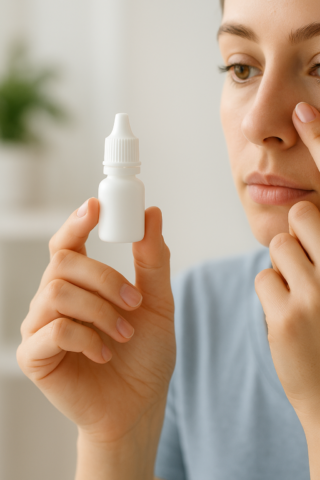
When experiencing eye irritation or redness, many people turn to over-the-counter solutions for quick relief. One such option that comes up in conversations is oxymetazoline eye drops. These drops, known for their rapid relief from eye redness, have become a staple in many medicine cabinets.
The Role of Oxymetazoline Eye Drops in Relieving Redness
Oxymetazoline eye drops are popular due to their effectiveness in reducing redness by constricting the blood vessels in the eyes. This vasoconstriction provides a temporary solution, making them a quick fix for those seeking immediate results. However, understanding their proper use and limitations is crucial before making them a part of your routine.
While these drops are beneficial for temporary relief, they are not designed for long-term management of chronic conditions. Overuse can lead to rebound redness, where symptoms worsen after the effects of the drops wear off. Hence, it’s important to follow the recommended usage instructions on the packaging or those provided by a healthcare professional.
Safety Concerns and Proper Usage
For individuals considering oxymetazoline eye drops over the counter, safety is a paramount consideration. It’s vital to adhere to proper dosing guidelines to avoid potential side effects such as increased eye irritation or dryness. If you’re using other medications or have existing medical conditions, consulting with a healthcare provider is advised.
Additionally, understanding how these eye drops interact with other medications can prevent adverse effects. It’s generally best to wait before introducing oxymetazoline eye drops if you’re already using other eye medications, especially those treating conditions like glaucoma. Being informed helps in making safe and effective choices for your eye health.
When to Seek Care
If eye redness or irritation persists despite using oxymetazoline eye drops, it might be time to consult a healthcare provider. An ophthalmologist or optometrist can offer a comprehensive assessment to determine underlying causes. Conditions such as allergic conjunctivitis or dry eye syndrome need professional evaluation and might require treatments beyond over-the-counter products.
It’s particularly important to seek care if you experience symptoms like pain, vision changes, or discharge, as these could indicate more serious issues. Trusting in the expertise of eye care professionals ensures that you receive tailored treatment and guidance.
Managing Expectations with Oxymetazoline Eye Drops
When using oxymetazoline eye drops, expect rapid relief from redness rather than a complete resolution of underlying causes. Keep in mind that prolonged use, typically beyond a few days, can lead to complications like rebound redness. Balanced and informed use is key to deriving maximum benefit from these drops.
Your healthcare provider can assist in determining if this option is suitable for you or if alternative treatments should be considered. Having open discussions with your provider about your symptoms and treatment goals can help in composing an appropriate care plan.
External Resources and Further Reading
For more in-depth information about medications, including oxymetazoline, consider visiting MedlinePlus Drug Information. This resource can provide a broader understanding of the various aspects of medication management and safety.
Interestingly, dietary habits can also influence eye health. For a related read on nutrition, our article on the importance of a high-protein diet provides insights into how dietary choices can support overall well-being.
- Oxymetazoline eye drops provide quick, temporary relief from redness.
- Follow guidelines to avoid side effects like rebound redness.
- Consult professionals for persistent symptoms or complications.
- Discuss medication interactions with a healthcare provider.
- Check reliable sources for more medication information.
Common Questions
How often can I use oxymetazoline eye drops?
These eye drops should not be used more frequently than directed on the package, typically up to four times a day, and not for prolonged periods to avoid rebound redness.
When should I see a doctor for eye redness?
If redness persists despite using eye drops, or if you experience pain, vision changes, or discharge, it’s advised to see an eye care professional for a thorough evaluation.
What types of professionals can help with chronic eye issues?
Ophthalmologists and optometrists are equipped to diagnose and manage various eye conditions. They can recommend appropriate treatments tailored to your specific needs.
Can oxymetazoline eye drops interact with other medications?
Yes, they can interact, particularly with medications for glaucoma or other eye conditions. It’s best to consult your healthcare provider before combining treatments.
What should I ask my doctor about using oxymetazoline eye drops?
Ask about the appropriate usage for your condition, potential interactions with other medications you’re taking, and any underlying issues that might need addressing beyond temporary redness relief.
Other Articles You May Find of Interest...
- Understanding PDRN Therapy: The Science Behind Skin Barrier Repair and Tissue Regeneration
- Who Is a Suitable Candidate for Breast Augmentation?
- Peptides vs Retinoids for Sensitive Skin: Why Matrixyl 3000 and CoQ10 Are Changing the Conversation
- Whitehead or Pustule? How to Tell These Acne Bumps Apart
- What Patients Should Know About Skin Removal Surgery
- Breast Augmentation vs. Breast Lift: Understanding the Difference
- 5 Things New Moms Should Know About Tummy Tuck Timing