






More Beauty Skin Care & Gorgeous Smiles Articles
The Surprising Truth About Ice Zits and How to Treat Them
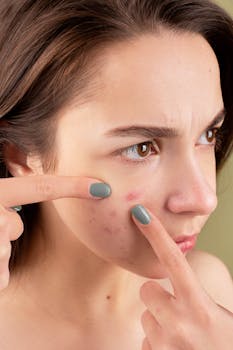
Have you ever heard of an ice zit? This term might catch you by surprise, as it’s not commonly used in medical circles but rather in online beauty forums and communities. An ice zit refers to a pimple treated with ice to reduce redness and swelling. While the simplicity of this solution sounds appealing, it’s essential to explore how effective and safe this popular at-home remedy is.
Understanding Ice Zit Treatments
Before diving into how ice can be utilized in skincare, understanding acne’s basics is crucial. Acne occurs when hair follicles become clogged with oil and dead skin cells, leading to the formation of whiteheads, blackheads, or pimples. Various treatments are available for managing acne, ranging from over-the-counter options to prescription medications.
The idea behind using ice lies in its ability to constrict blood vessels and reduce inflammation. When applied carefully, ice may assist in reducing the redness and swelling associated with pimples. However, it’s crucial to recognize that this is a temporary fix and not a substitute for long-term acne management strategies.
How to Use Ice Safely on Your Skin
Applying ice to a pimple should be done cautiously to avoid potential skin irritation or damage. Here’s a step-by-step guide on how to use ice safely:
- Start by wrapping a few ice cubes in a clean, thin cloth or paper towel.
- Gently press the wrapped ice against the pimple for 1-2 minutes. Avoid applying direct ice to your skin, which can lead to frostbite or irritation.
- Remove the ice and allow your skin to rest for 5-10 minutes, repeating the process if necessary.
Using this method can provide temporary relief by lessening the visibility of pimples. However, it’s essential to address underlying factors of acne for more sustained results.
Exploring Other Acne Treatments
Beyond the ice zit method, numerous treatments can help manage acne effectively. Over-the-counter options often include topical solutions containing benzoyl peroxide or salicylic acid, which help reduce bacteria and unclog pores. Dermatologists may prescribe stronger medications such as retinoids or antibiotics for more severe cases.
For those exploring natural remedies, substances like tea tree oil or green tea extract are being studied for their potential anti-inflammatory and antimicrobial properties. However, always remember to perform a patch test to ensure you do not have an allergic reaction.
For broader skincare and health benefits, consider adopting a holistic approach by incorporating a balanced diet and regular exercise, which may impact skin health as part of an integrated lifestyle. You can explore our article on effective weight control options to see how lifestyle choices play a role in overall well-being.
When to Seek Professional Help
While home remedies can provide some benefit, professional guidance is invaluable for continuous or severe acne. Dermatologists can offer personalized treatments and advice, from prescription medications to advanced therapies such as laser treatments or chemical peels.
Persistent acne can sometimes indicate underlying health issues, making it essential to engage with a healthcare provider who can guide treatment planning tailored to individual needs.
Conclusion: The Ice Zit in Context
An ice zit refers to a temporary solution for reducing the redness and swelling of pimples through the application of ice. While it may provide short-term relief, it’s not a replacement for comprehensive acne treatment. Understanding various treatment options and when to consult a professional can aid in achieving healthier skin.
- Ice can reduce pimple swelling temporarily.
- Wrap ice in cloth; do not apply directly to the skin.
- Consider other treatments for long-term results.
- Seek professional help for persistent or severe acne.
- Explore lifestyle changes for overall skin health.
Is using ice on my skin safe?
Yes, using ice on the skin is generally safe when done correctly. Always wrap the ice in a cloth and never apply it directly to your skin to avoid frostbite or irritation.
Can ice remove a pimple permanently?
No, ice cannot permanently remove a pimple. It works by reducing inflammation and redness temporarily, providing only a short-term visual improvement.
What are some effective over-the-counter solutions for acne?
Effective over-the-counter solutions often contain benzoyl peroxide or salicylic acid, which help in reducing bacteria and clearing dead skin cells from pores.
When should I see a dermatologist for acne?
If over-the-counter treatments are ineffective, or if you have severe acne, it’s advisable to consult a dermatologist. They offer treatments that are tailored to your specific skin type and acne severity.
Are there risks associated with using ice on the face?
Risks include skin irritation and possible frostbite if ice is applied directly to the skin without a barrier. Always use a cloth as a protective layer.
For further information about general health, you can visit reputable sources like this page on health.
Other Articles You May Find of Interest...
- Dermatologist Approved Perfume Practices For Long Term Skin Health
- The Growing Connection Between Self-Care and Medical Aesthetics
- Retinol vs Vitamin C for Dull, Uneven, or Dry Skin: What Dermatologists Recommend
- Sofwave Pure Impact: A Noninvasive Way to Firm Skin and Smooth Wrinkles
- How Modern Aesthetic Treatments Support Confidence and Emotional Wellbeing
- How Dewitt Pharma is Transforming Texas Medspas with Trusted Injector Resources
- The Art of Timeless Beauty: Modern Facial Rejuvenation Techniques




