






More Beauty Skin Care & Gorgeous Smiles Articles
The Health Benefits of Natural Orange-Red Dyes from Tropical Fruits
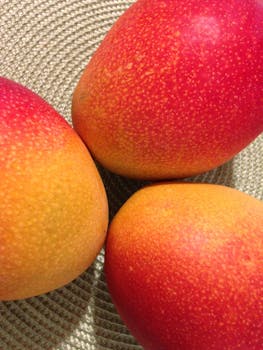
The vibrant orange-red hues seen in many beachside cocktails or exotic dishes are often due to an orange-red dye obtained from the pulp of a tropical fruit. These natural dyes are not only appreciated for their coloring properties but also for potential health benefits. Let’s explore the intriguing world of these natural colorants and their contributions to wellness.
Understanding the Orange-Red Dye Obtained from the Pulp of a Tropical Fruit
Tropical fruits such as acerola, pitaya, and guava are not only renowned for their delightful flavors but also for their colorful pigments. This orange-red dye obtained from the pulp of a tropical fruit is primarily due to the presence of carotenoids and anthocyanins, which are natural compounds found in these fruits.
Carotenoids are a group of over 600 fat-soluble pigments, with beta-carotene being the most famous. They contribute to the rich coloration of these fruits and offer antioxidant properties that may be beneficial to health.
Potential Health Benefits
Consuming this natural dye may offer some health advantages:
- Antioxidant Properties: The antioxidants found in these orange-red pigments can help neutralize free radicals in the body, potentially reducing oxidative stress.
- Rich in Vitamins: These tropical fruits are often rich in vitamins A and C, essential for immune function and skin health.
- Supporting Eye Health: Carotenoids like beta-carotene are known for supporting eye health by contributing to better vision and reducing the risk of age-related macular degeneration.
It’s essential to explore more about how these compounds could be incorporated into a balanced diet. For those interested in weight management, check out this article on successful weight-loss strategies.
Using Natural Dyes in Culinary Delights
From smoothies and salads to main dishes and desserts, the versatility of the orange-red dye obtained from the pulp of tropical fruits is evident. Its natural color can enhance the visual appeal of food and offer a subtle fruity flavor.
Chefs and home cooks alike experiment with these dyes to naturally color their creations without relying on artificial colorants. This natural approach to food coloring is especially appealing to those interested in maintaining a clean eating lifestyle.
Industrial Applications
Beyond culinary uses, these natural dyes find applications in cosmetics and textiles. In the cosmetic industry, they provide an environmentally friendly alternative to synthetic dyes. In textiles, these dyes are used to color fabrics, adding aesthetic value while maintaining sustainability.
Environmental Impact
The use of natural dyes from the pulp of tropical fruits supports sustainable agricultural practices. These fruits are often part of an ecosystem that promotes biodiversity and contributes to local economies. Moreover, unlike synthetic dyes, they do not contribute to pollution, making them a favorable choice for eco-conscious consumers.
For a comprehensive understanding of the broader health context related to these natural dyes, you can visit an informative overview on health.
Conclusion: The Role of the Orange-Red Dye Obtained from the Pulp of a Tropical Fruit
In conclusion, the orange-red dye obtained from the pulp of a tropical fruit plays a colorful role in both culinary and non-culinary industries. It adds not only vibrancy to foods and products but also potential health benefits supported by antioxidants and vital nutrients. Integrating these natural dyes can be a delightful and wholesome way to enhance our daily lives.
- Orange-red dyes from tropical fruits are rich in beneficial nutrients.
- These dyes support antioxidant activity and eye health.
- They are an eco-friendly alternative in culinary, cosmetic, and textile applications.
- Utilizing natural dyes promotes sustainable and environmentally friendly practices.
FAQ
What tropical fruits are known for their natural dyes?
Fruits such as acerola, pitaya, and guava are known for their distinctive orange-red hues due to naturally occurring pigments.
Can these natural dyes replace synthetic ones in cooking?
Yes, these natural dyes can often replace synthetic food colorings, providing natural color and additional health benefits.
Are there health risks associated with these natural dyes?
Generally, natural dyes from fruits are considered safe and part of a healthy diet, although individuals with fruit allergies should exercise caution.
How do carotenoids benefit eye health?
Carotenoids, including beta-carotene, help protect the eye’s surface (cornea) and are linked to a reduced risk of eye diseases such as cataracts and age-related macular degeneration.
What is the primary benefit of using natural dyes in industry?
The use of natural dyes contributes to sustainability, reducing the reliance on artificial colorants and minimizing environmental impact.
Other Articles You May Find of Interest...
- How Long to Wait for Spironolactone to Start Working for Your Skin?
- The Health Benefits of Natural Orange-Red Dyes from Tropical Fruits
- Non-Surgical Body Contouring in London — Choosing the Right Treatment
- How to Stay Cool When the Calf of Elg is Very Hot
- The Truth About Blue 1 Coloring and Its Impact on Your Health
- Unlocking the Surprising Benefits of DMAE for Your Health
- Discovering SonoBello: A Comprehensive Guide to Transformative Body Contouring




