






More Beauty Skin Care & Gorgeous Smiles Articles
Say Goodbye to Leg Acne: Effective Treatments and Prevention Tips
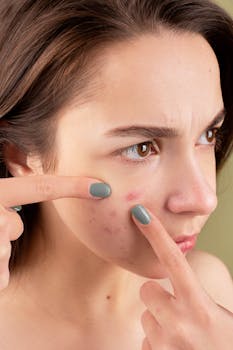
Dealing with leg acne can be both frustrating and uncomfortable. Whether you’re planning to hit the beach or simply want smoother skin, understanding the causes of leg acne and how to address it effectively can be a relief. This article will explore comprehensive treatments and prevention methods to help you say goodbye to those pesky spots.
Understanding Leg Acne
Leg acne occurs when follicular pores on your legs become clogged by oil, dirt, and dead skin cells. This can lead to red, inflamed pimples and sometimes painful cysts. While commonly associated with the face, acne can appear anywhere on the body, including the legs.
There are several factors contributing to leg acne, including sweat accumulation, tight clothing, and certain personal care products that may irritate the skin. Understanding these can help you target the root of the problem.
Effective Treatments for Leg Acne
When it comes to treating leg acne, you have several options ranging from over-the-counter medications to natural remedies. It’s important to choose a treatment that suits your skin type and acne severity.
Topical Treatments
Over-the-counter creams containing benzoyl peroxide or salicylic acid can help reduce bacteria and unclog pores. These are available in various forms, such as gels, creams, and washes.
Oral Medications
In cases where leg acne is severe, a dermatologist may prescribe oral medications such as antibiotics to help decrease bacteria and inflammation. It’s essential to have a professional evaluate your condition to determine if this option is suitable for you.
Home Remedies
For those who prefer a more natural approach, some home remedies may offer support. Tea tree oil, known for its antibacterial properties, may help reduce acne symptoms. Similarly, aloe vera gel is soothing and may reduce redness and swelling.
Prevention Tips for Leg Acne
Preventing leg acne involves a blend of proper hygiene, lifestyle changes, and mindful choices in clothing and skincare products.
Hygiene and Skincare
Regularly wash your legs with mild soap and water to remove impurities. Exfoliating once a week can also help to remove dead skin cells and reduce clogged pores.
Clothing Choices
Wearing loose-fitting clothes can reduce friction and sweat, which are common triggers for leg acne. Opt for breathable fabrics, particularly during physical activities.
Diet and Lifestyle
Your diet can impact your skin’s health. Consuming a balanced diet rich in fruits, vegetables, and whole grains can support overall skin health. For more insights, explore the best options to treat obesity and how they relate to skin health.
When to See a Doctor
If home and over-the-counter treatments are ineffective, or if your acne worsens, it may be time to consult a dermatologist. They can provide a tailored treatment plan to tackle persistent leg acne effectively.
The Final Word on Leg Acne
Addressing leg acne requires a combination of effective treatments and preventive measures tailored to your individual needs. By understanding the causes and choosing the right solutions, smoother skin can be within reach. For comprehensive health information, you can refer to the informative resources at the Health Wikipedia page.
- Leg acne may result from clogged pores due to oil, dirt, and sweat.
- Over-the-counter and home remedies can support treatment.
- Prevention includes proper hygiene, appropriate clothing, and a balanced diet.
- Consult a dermatologist for persistent or severe acne issues.
FAQ About Leg Acne
What causes leg acne?
Leg acne is often caused by a combination of sweat, bacteria, and clogged pores due to oil, dirt, or dead skin cells. It can also be exacerbated by tight clothing and personal care products.
What is the best over-the-counter treatment for leg acne?
Creams containing benzoyl peroxide or salicylic acid are effective for many people. It’s essential to choose products suitable for your skin type.
Can diet affect my leg acne?
Yes, a balanced diet rich in nutrients supports skin health and may help manage acne. Eating a variety of fruits, vegetables, and whole grains is recommended.
Are natural remedies effective for leg acne?
While not a substitute for medical treatment, natural remedies like tea tree oil and aloe vera may provide supportive benefits for managing acne symptoms.
When should I see a doctor about my leg acne?
If over-the-counter treatments and home remedies do not improve your leg acne or if it becomes severe, consult a dermatologist for a personalized treatment plan.
Other Articles You May Find of Interest...
- Unraveling the Mystery of Pattern Speckled ANA in Autoimmune Diseases
- Effective Solutions for Dermatofibroma Treatment and Management
- The Impact of Blue 1 Dye on Your Health: What You Need to Know
- Clear Skin Is a Health Priority, Not a Cosmetic Luxury
- Effective Ways to Eliminate Sebaceous Filaments for Clearer Skin
- Effective Strategies for Managing Psoriasis Symptoms and Understanding ICD 10 Codes
- Can Sunscreen Affect Your Vitamin D Levels?




