More Beauty Skin Care & Gorgeous Smiles Articles
Say Goodbye to Acnes: Proven Strategies for Clearer Skin
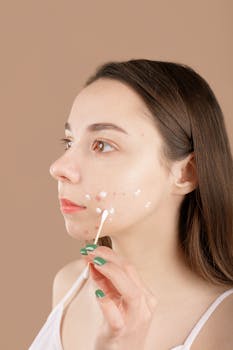
Dealing with acnes can be frustrating, especially when it seems like you’ve tried every over-the-counter product available. Whether you’re a teenager experiencing breakouts for the first time or an adult confronting persistent skin issues, finding an effective management strategy can make a significant difference. Let’s explore some proven strategies and insights to help you achieve clearer skin.
Understanding Acnes and Treatment Options
Acne is not just a teenage problem; it can affect adults as well, often popping up during stressful periods or hormonal changes. Various treatment options exist, from topical treatments to oral medications, each working differently to target factors like excess oil production, bacteria, and inflammation.
Healthy Habits for Clearer Skin
Nurturing your skin involves more than just applying creams; it involves lifestyle choices as well. Regularly washing your face, staying hydrated, and maintaining a balanced diet can support your skin’s health. While foods like chocolate or greasy foods have been rumored to cause breakouts, there’s no definitive link. However, a balanced diet rich in fruits and vegetables may help promote overall skin health.
When to Seek Care
If home remedies aren’t working, it might be time to consult a dermatologist. Persistent, painful, or cystic acne can require professional evaluation to prevent scarring and other complications. Dermatologists are experts in skin conditions and can provide personalized treatment plans that might include prescription medications or procedures like laser therapy.
Can Medications Help with Acne?
For some, prescription medications can provide relief when over-the-counter options fall short. These can include antibiotics, retinoids, or hormonal treatments. If one medication doesn’t work, your healthcare provider might recommend switching to another, but it’s essential to discuss the risks and benefits of this move with them. Side effects like dryness or increased sensitivity to the sun are common and may require adjustments to your skincare routine.
It’s also worth exploring other resources for a holistic approach to managing your weight and nutrition which can indirectly support your skin’s health.
Reducing Stress to Improve Skin Health
Stress can exacerbate acne flare-ups. Finding effective methods to manage stress, such as yoga, meditation, or regular exercise, can have a positive impact on your skin. By reducing stress, you’re not only improving your mental health but also giving your skin the chance to heal and rejuvenate.
Takeaways
- Consistent skincare routines can support healthier skin.
- Dermatologists can offer specialized treatments for persistent acne.
- Stress management is an essential part of acne management.
- A balanced diet may support overall skin health.
- Prescription medications may be necessary for severe cases.
Common Questions
What types of acne treatments are available?
Treatments range from topical creams and gels to oral medications like antibiotics or hormonal treatments, depending on the severity and nature of your acne.
When should I see a dermatologist for acne?
Seek professional help when over-the-counter treatments aren’t effective, or if you experience severe, cystic acne causing pain or potential scarring.
Can diet affect my skin?
While no direct link between specific foods and acne exists, maintaining a balanced diet with plenty of fruits and vegetables may support clearer skin.
How does stress impact acne?
Stress can lead to flare-ups by causing an increase in oil production and inflammation, making stress management crucial in preventing acne.
Do I need to stop one acne medication before starting another?
This depends on the medication. It’s vital to consult your healthcare provider before making any changes to your medication regimen.
Whether you’re just beginning your journey to clearer skin or exploring new strategies, remember that everyone’s skin is different, and professional guidance can provide insights tailored to your needs. Finding what works best may take time, but your patience and perseverance can lead to positive outcomes.
Other Articles You May Find of Interest...
- How Lifestyle and Personal Goals Can Shape Your Breast Augmentation Choices
- The Most Popular Cosmetic Treatments by Age Group
- What Makes a HydraFacial Treatment Professional?
- Botox vs Dysport vs Xeomin: Which Neuromodulator Is Right for You?
- Understanding PDRN Therapy: The Science Behind Skin Barrier Repair and Tissue Regeneration
- Who Is a Suitable Candidate for Breast Augmentation?
- Peptides vs Retinoids for Sensitive Skin: Why Matrixyl 3000 and CoQ10 Are Changing the Conversation