






Your Health Magazine
4201 Northview Drive
Suite #102
Bowie, MD 20716
301-805-6805
More Beauty Skin Care & Gorgeous Smiles Articles
Practical Tips for Managing Aging Skin
Fine lines, uneven tone, and changes in firmness arrive slowly at first, then feel more noticeable with every birthday. These shifts tell a natural story of time and expression. Many people want that story to unfold in a way that still feels fresh and confident. You do not need a drawer full of confusing products or aggressive procedures to support that goal.
A few grounded habits, repeated daily, create more impact than occasional expensive experiments. When you understand what aging skin needs and you match products, lifestyle, and professional care to those needs, you give your face and body a calmer path through the years.

Understand How Skin Changes With Age
Skin grows thinner and drier with age, and that change starts beneath the surface. Collagen and elastin, the fibers that give skin bounce and structure, gradually decline. Cell turnover slows, so dull, flaky cells stay on the surface longer. Oil glands work less, and many people notice tightness after cleansing or an almost crepey texture on the neck and chest.
You cannot stop time, yet you can support these structures. Gentle exfoliation helps older skin shed dead cells, which gives a softer, more luminous look. Hydrating ingredients such as glycerin and hyaluronic acid help skin hold water, which reduces the appearance of fine lines. Retinoids nudge sluggish cells to renew, and antioxidants such as vitamin C help defend skin from daily environmental stress.
Think of aging skin as skin that needs kindness and consistency. Harsh scrubs, frequent product changes, and very hot water tend to break down the remaining barrier rather than help it. A routine that respects this slower, more delicate state always works better.
Combine At-Home Care With Professional Support
Daily habits create the base for healthy aging, and professional support fills gaps that home care cannot reach. A dermatologist or qualified aesthetic provider can map your skin type, review your history, and build a realistic plan that fits your budget and comfort level.
That plan might include in-office peels, light therapy, neuromodulators, or fillers in carefully chosen areas. Many people explore noninvasive treatments, and some look into non-surgical wrinkle reduction in Philadelphia to match skincare with targeted procedures guided by qualified providers. Conversations with a professional help you sort marketing claims from real options and choose treatments that focus on gradual, believable change.
Regular checkups play a practical role as well. A specialist can monitor moles, sun spots, and rough patches, catch early skin cancers, and suggest adjustments in your routine when hormones, seasons, or medications shift your skin’s behavior. That partnership takes pressure off you and keeps your plan grounded in real results instead of trends.
Prioritize Daily Sun Protection
Nothing speeds visible aging like unprotected sun exposure. UV light breaks down collagen, fuels uneven pigment, and roughens texture. Many people think about sunscreen only on the beach, then spend years commuting, running errands, and sitting near windows without protection. Those small doses add up.
A broad-spectrum sunscreen with at least SPF 30 on the face, neck, ears, and hands every morning makes a huge difference. Apply it after moisturizer and before makeup, then reapply during long outdoor days. Seek formulas that you actually enjoy wearing so this habit sticks: lighter gels for oily skin, richer creams for dry skin, tinted versions for makeup lovers.
Hats, sunglasses, and shade support your efforts. A wide-brim hat softens light on the face, and large frames around the eyes reduce squinting, which helps lines around the eyes form more slowly. Treat sun care as part of your outfit, not an optional extra, and aging skin gains real protection every single day.
Support Skin From The Inside
Your skin reflects internal habits as much as external ones. Hydration, nutrition, and sleep shape tone, glow, and resilience. When your body runs low on what it needs, skin often looks dull, slack, or inflamed.
Aim for steady hydration throughout the day. Water, herbal tea, and water-rich foods such as fruit and soups support circulation and help your body deliver nutrients to the skin. Balanced meals with lean protein, healthy fats, and colorful plants feed the building blocks for collagen and barrier lipids. Omega-3 fats from sources like salmon, walnuts, and flaxseed support a calmer, more comfortable skin surface.
Quality sleep gives your skin time to repair. During deeper stages, your body increases blood flow to the skin and handles micro-damage from daily life. A regular sleep schedule, a dark and cool bedroom, and a calming wind down routine help you reach those deeper stages more often. The next morning, fine lines often look softer and color more even.
Build A Smart Evening Routine
Nighttime offers the best window for active products that support aging skin. Makeup, sunscreen, and daily pollution sit on the surface by evening, so you start with a thorough yet gentle cleanse. A soft cleanser that removes debris without leaving tightness sets the stage for everything that follows.
After cleansing, apply a targeted serum. Retinoids, peptides, or antioxidant blends all serve different needs. Many people start with a low-strength retinol two or three nights a week, then increase as skin adjusts. Always listen to your own tolerance level. Redness, flaking, or stinging tell you to slow down, add more moisture, or seek advice.
Move Your Body And Manage Stress
Circulation feeds the skin. Movement boosts circulation. Regular activity sends more oxygen and nutrients toward the skin surface and supports a more even tone. Walking, cycling, yoga, swimming, or strength training all help, and you can choose the mix that you enjoy and can repeat. Sweating during exercise also helps pores clear, as long as you cleanse soon after.
Stress hormones affect skin just as deeply. High stress periods often bring breakouts, flare ups of conditions like rosacea or eczema, and faster aging lines around the brow and mouth. Simple daily practices reduce that load. Short breathing sessions, stretches before bed, journaling, or therapy all create outlets for tension. The goal does not involve erasing stress, only giving your body and skin more calm moments to balance intense ones.
Adjust Expectations And Focus On Kindness
No routine stops aging. Faces that try to chase youth at all costs often lose the softness and personality that make them beautiful. You hold more power when you focus on health, comfort, and confidence instead of perfection.
Set realistic goals: fewer dry patches, a clearer tone, softer lines around the eyes, or a more even neck and chest. Track progress with monthly photos rather than daily mirror checks, since small changes unfold slowly. Celebrate wins like calmer redness, smoother makeup application, or friends who say you look rested rather than “different.”
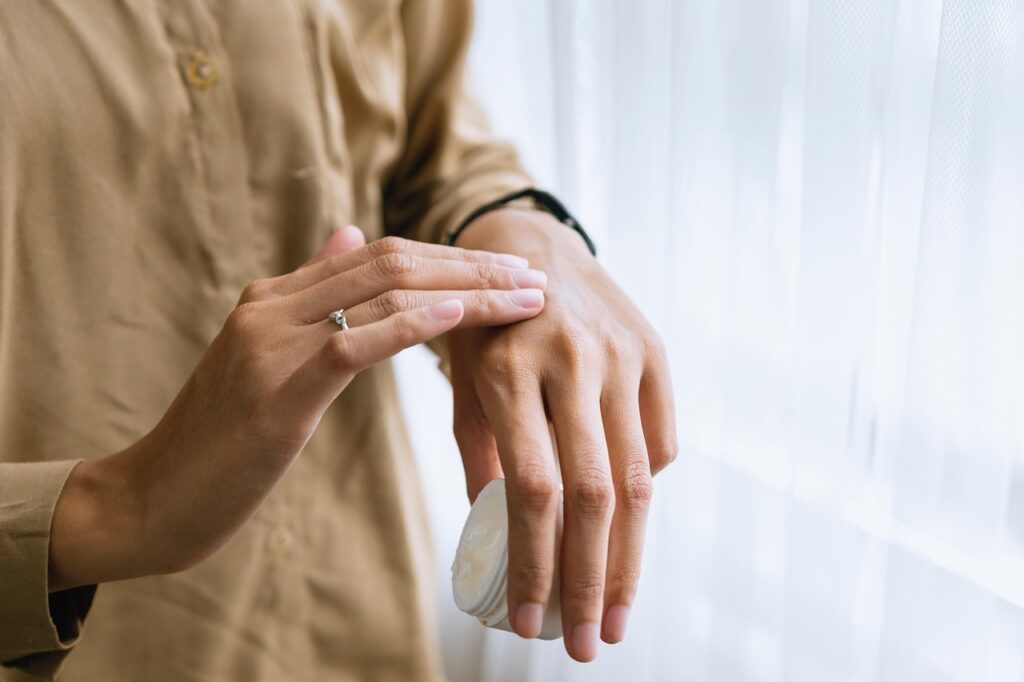
Practical routines do more for aging skin than searching for miracles. Consistent sun protection, gentle yet active products, supportive nutrition, smart movement, and realistic expectations all work together. When you treat your skin as a long term companion instead of a short term project, you build habits that protect both appearance and comfort for many years to come.
Other Articles You May Find of Interest...
- Effective Solutions for Dermatofibroma Treatment and Management
- The Impact of Blue 1 Dye on Your Health: What You Need to Know
- Clear Skin Is a Health Priority, Not a Cosmetic Luxury
- Effective Ways to Eliminate Sebaceous Filaments for Clearer Skin
- Effective Strategies for Managing Psoriasis Symptoms and Understanding ICD 10 Codes
- Can Sunscreen Affect Your Vitamin D Levels?
- Mastering Facial Expressions: The Role of the Depressor Anguli Oris Muscle




