






More Beauty Skin Care & Gorgeous Smiles Articles
How Face Shape Can Guide Healthier, More Confident Hairstyle Choices
Choosing a new hairstyle can feel exciting, but it can also feel risky. A haircut changes more than length or shape. It affects how the face is framed, how confident a person feels in photos, and how easy daily grooming becomes.
Many people do not struggle to find hairstyle inspiration. They struggle to know whether that inspiration will actually work for their own face, hair texture, and lifestyle.
That is why face shape can be such a helpful starting point. It gives people a more practical way to think about hair before making a change.
A Haircut Is Also a Framing Choice
Hair sits around the face, so even small changes can affect the way a person looks. The length near the cheeks, the height at the top, the width around the sides, and the shape near the jawline all influence facial balance.
A haircut can draw attention upward, soften strong angles, add structure, or make the face look more open. It can also feel less flattering if the shape does not work well with the person’s natural features.
This does not mean there is only one correct hairstyle for each face. It simply means that hair should be chosen with proportion in mind. A good style works with the face instead of fighting against it.
Why Face Shape Matters Before Choosing a Style
Face shape is not a strict rulebook. It is a guide that helps people understand what different hairstyles may do visually.
For example, someone with a rounder face may want a style that adds height or creates more definition. Someone with a longer face may prefer a cut that avoids adding too much vertical length. A square face may work well with either clean structure or softer texture, depending on the person’s style goal.
The point is not to label your face and limit your options. The point is to understand why some styles feel more balanced, more flattering, or easier to wear than others.

Inspiration Photos Can Be Misleading
Hairstyle photos are useful, but they can also create unrealistic expectations. A haircut may look good in a photo because of the model’s face shape, hair density, styling products, lighting, or professional finishing.
That does not always translate to everyday life.
A person may save a style because they like the overall mood of the image, but the actual cut may not match their own hair texture, face width, forehead shape, or jawline. This is one reason people sometimes feel disappointed after a haircut, even when the stylist followed the reference closely.
Before choosing a style, it helps to look beyond the photo and ask a more personal question: would this shape work on my face?
Try Before You Commit
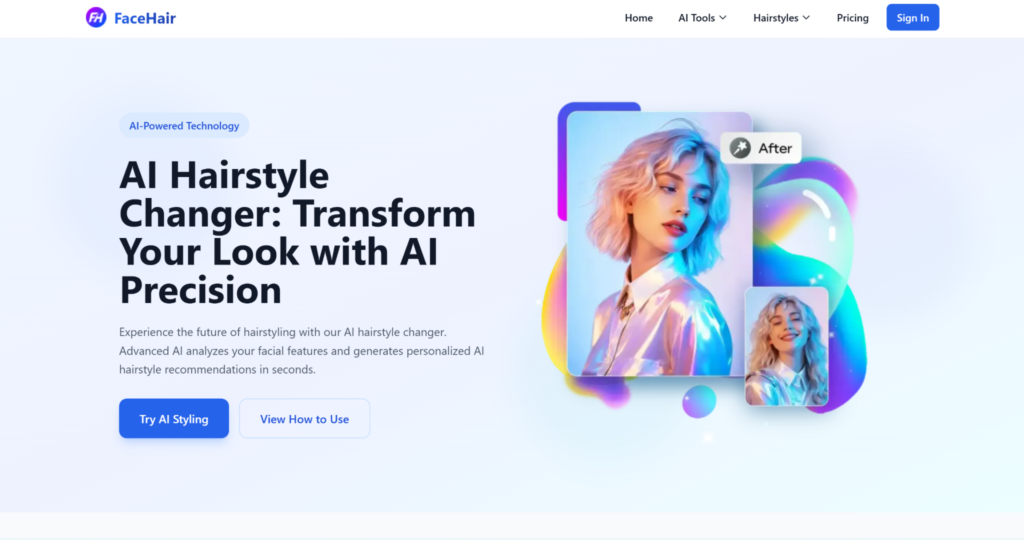
One practical way to reduce uncertainty is to try on hairstyles online before making a real change. Instead of imagining how a haircut might look, you can compare different directions more visually.
This can be helpful when deciding between short and medium hair, soft layers and cleaner lines, bangs and no bangs, or more volume and less volume.
Trying styles first does not replace professional advice, but it can make the decision easier. It gives you a clearer sense of what feels natural, what feels too dramatic, and what may need adjustment before you visit a stylist or barber.
Think About Hair Texture and Daily Maintenance
Face shape is important, but it is not the only factor. Hair texture, density, growth pattern, and daily maintenance also matter.
A style that works well on thick straight hair may behave differently on fine hair, curly hair, or wavy hair. A haircut that looks effortless in a photo may require heat styling, product, or regular trimming to keep its shape.
Before choosing a hairstyle, it helps to be honest about your routine. Do you want something low-maintenance? Are you willing to style your hair every morning? Do you need a cut that works for work, exercise, social events, and casual days?
A flattering haircut should not only look good once. It should be realistic enough to live with.
Use Face Shape as a Conversation Tool
Many people struggle to explain what they want at the salon. They may know they want a change, but they do not know how to describe the shape, length, volume, or balance they are looking for.
This is where a face shape hairstyle guide can be useful. It helps turn a vague idea into a more specific conversation.
Instead of saying, “I want something that suits me,” you can explain that you want more balance around the cheeks, less width at the sides, softer movement near the jawline, or a style that does not make the face look longer.
Facehair.ai can support this process by helping users think more clearly about face shape before choosing a hairstyle direction.
Small Adjustments Often Matter Most
A better hairstyle does not always require a dramatic transformation. Sometimes the most effective improvements are subtle.
A little more lift at the crown can change the overall balance of the face. Softer layers can make the haircut feel lighter. A different parting can change how the forehead and cheekbones appear. Cleaner edges can make the style feel more polished.
These small changes are easy to overlook when focusing only on trendy cuts. But they often make the difference between a hairstyle that looks “fine” and one that feels truly suitable.
This is especially important for people who want a fresh look but do not want a major change. Small, well-planned adjustments can create a noticeable improvement while still feeling comfortable.
Do Not Ignore Hair and Scalp Health
A hairstyle should support both appearance and comfort. If someone is dealing with sudden shedding, scalp irritation, thinning areas, breakage, or discomfort, style should not be the only concern.
In those situations, it is better to speak with a qualified hair care professional, dermatologist, or healthcare provider before making a major change. A stylist can help with shape and maintenance, but medical or scalp-related concerns may need professional evaluation.
Healthy grooming decisions should consider the condition of the hair as well as how the final style looks.
A Simple Way to Choose Your Next Hairstyle
Before changing your hair, ask yourself a few practical questions:
- What is my general face shape?
- Which features do I want to balance or highlight?
- Does this style work with my natural hair texture?
- How much styling will it require each day?
- Can my stylist adjust the idea for my real hair condition?
- Will I still feel comfortable with this style after the first week?
These questions can prevent rushed decisions and make the process feel more intentional.
They also help you avoid choosing a haircut only because it looks good on someone else.
Confidence Comes From a Better Decision
A good hairstyle can help a person feel more comfortable and put together. It can support confidence at work, in photos, during social events, or in everyday routines.
That confidence often comes from clarity. When you understand your face shape, compare realistic options, and talk more clearly with your stylist, the haircut becomes less of a gamble.
The goal is not to find a perfect style. The goal is to choose a hairstyle that fits your face, your hair, your routine, and your sense of self.
Final Thoughts
Choosing a hairstyle should not be based only on trends or guesswork. A better approach starts with understanding the face, considering the hair’s natural condition, and choosing a style that fits real life.
Face shape guidance can make that process easier. It helps people see why certain styles may feel more balanced, more flattering, or more manageable.
When hairstyle decisions are made with more clarity, the result is not just a better haircut. It is a more confident and comfortable way to approach personal grooming.
Other Articles You May Find of Interest...
- How Lifestyle and Personal Goals Can Shape Your Breast Augmentation Choices
- The Most Popular Cosmetic Treatments by Age Group
- What Makes a HydraFacial Treatment Professional?
- Botox vs Dysport vs Xeomin: Which Neuromodulator Is Right for You?
- Understanding PDRN Therapy: The Science Behind Skin Barrier Repair and Tissue Regeneration
- Who Is a Suitable Candidate for Breast Augmentation?
- Peptides vs Retinoids for Sensitive Skin: Why Matrixyl 3000 and CoQ10 Are Changing the Conversation





