More Beauty Skin Care & Gorgeous Smiles Articles
How Zinc Oxide Protects and Helps Heal Irritated Skin
By Your Health Magazine Health Information Team
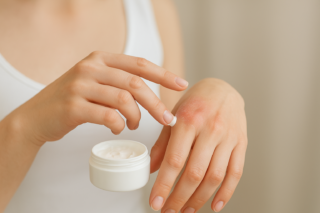
Zinc oxide can support skin healing by forming a protective barrier over irritated skin. This barrier limits contact with moisture, friction, and other irritants, giving the skin a better environment in which to repair itself. Zinc oxide is particularly useful for mild diaper rash, chafing, and other moisture-related irritation, but it is not a treatment for infected, deep, or serious wounds.
How Zinc Oxide Protects Irritated Skin
Zinc oxide is a mineral ingredient used in many over-the-counter ointments, pastes, and creams. When applied to the skin, it remains largely on the surface and creates a coating between the skin and its surroundings.
That coating can help protect irritated skin from:
- Excess moisture: Urine, stool, sweat, and wound drainage can soften the outer skin layer and make it more vulnerable to irritation.
- Friction: Clothing, diapers, skin folds, and repeated wiping can worsen redness and tenderness.
- External irritants: The barrier reduces direct contact between sensitive skin and substances that may aggravate it.
- Further skin breakdown: Protecting the surface may prevent a mildly irritated area from becoming more damaged.
This protective function explains why zinc oxide is widely used for diaper rash. MedlinePlus guidance on diaper rash notes that zinc oxide or petroleum jelly products can help keep moisture away when applied to clean, dry skin.
Does Zinc Oxide Actually Heal Skin?
The most dependable benefit of zinc oxide for skin healing is indirect: it shields the affected area while the body performs its normal repair processes. Reducing moisture, rubbing, and repeated irritation can help the skin barrier recover.
Zinc also has biological roles in inflammation control, protein production, and tissue repair. However, these roles do not mean that every zinc oxide cream will make an open wound close faster. Research on topical zinc and wound healing has produced mixed results, and formulations used in clinical studies may differ substantially from ordinary diaper-rash or skin-protectant products. One human study of topical zinc oxide in wound-healing models, for example, did not find accelerated healing compared with a placebo.
For consumers, it is more accurate to view zinc oxide as a skin protectant that supports recovery, not as a cure or substitute for medical wound care. It does not replace antibiotics, antifungal medicines, prescription anti-inflammatory treatments, or specialized dressings when those are needed.
When Zinc Oxide May Be Helpful
| Skin concern | Potential role of zinc oxide |
|---|---|
| Diaper rash | Creates a barrier against urine, stool, moisture, and diaper friction. |
| Chafing | Reduces direct rubbing and protects tender surface skin. |
| Moisture in skin folds | Helps limit prolonged contact between moisture and irritated skin. |
| Mild surface irritation | Temporarily shields sensitive skin from additional exposure. |
| Poison ivy, oak, or sumac | Some labeled products help dry oozing or weeping areas. |
Uses vary by product. The Drug Facts label for one 20% zinc oxide ointment, for example, identifies it as a skin protectant for diaper rash and for drying the oozing associated with poison ivy, poison oak, and poison sumac. Always read the label on the specific product you have rather than assuming that all zinc oxide preparations have identical uses.
For more information about formulations and everyday applications, see these benefits of skin cream with zinc oxide.
How to Use a Zinc Oxide Skin Protectant
- Read the Drug Facts label. Confirm that zinc oxide is an active ingredient and that the product is intended for your type of irritation.
- Clean gently. Use lukewarm water and a mild cleanser if needed. Avoid aggressive scrubbing, fragranced wipes, and harsh antiseptics unless a healthcare professional recommends them.
- Pat the area dry. Trapping irritants beneath the product may make the problem worse. For diaper rash, change wet or soiled diapers promptly.
- Apply as directed. Spread the amount specified on the label over the irritated area. A visible protective coating is often appropriate for diaper-area products.
- Reapply when the barrier is removed. Follow product directions, particularly after washing, bathing, sweating, or diaper changes.
Do not scrub the skin repeatedly to remove every trace before reapplication. Gentle cleansing is less likely to add friction to an already sore area.
Choosing a Product
Zinc oxide products differ in concentration, thickness, and inactive ingredients. A higher percentage does not automatically make a product better for every situation.
- Pastes and ointments generally form a thicker, longer-lasting barrier and may be useful where moisture or friction is persistent.
- Creams are often easier to spread and remove but may provide a lighter barrier.
- Combination products may contain petrolatum, lanolin, fragrances, preservatives, antifungal ingredients, or other active substances. Check the complete ingredient list if you have sensitive skin or known allergies.
- Zinc oxide sunscreens are formulated and labeled for ultraviolet protection. They should not automatically be treated as substitutes for diaper-rash or wound-protectant products.
Stop using the product if it causes increasing burning, itching, swelling, or redness. The reaction may come from zinc oxide or from another ingredient in the formulation.
When to Seek Care
Do not use an ordinary over-the-counter zinc oxide skin protectant on deep puncture wounds, animal bites, or serious burns unless a healthcare professional specifically directs you to do so. Avoid contact with the eyes, and get medical help or contact Poison Control if the product is swallowed.
Contact a primary care clinician, pediatrician, dermatologist, or wound-care professional if:
- The irritation is rapidly worsening, spreading, or unusually painful.
- There is pus, warmth, increasing swelling, red streaking, fever, or another possible sign of infection.
- The area has blisters, ulcers, significant bleeding, or extensive skin loss.
- A diaper rash does not begin improving within two to three days, spreads outside the diaper area, or occurs with fever.
- Symptoms last longer than the period stated on the product label or repeatedly return.
- You have diabetes, poor circulation, reduced sensation, or a chronic wound.
The MedlinePlus health topics library provides additional government-reviewed information about rashes, skin conditions, and when medical evaluation may be appropriate. Zinc oxide is useful for many minor irritations, but persistent or severe skin damage requires an accurate diagnosis and care matched to its cause.
Other Articles You May Find of Interest...
- How Zinc Oxide Protects and Helps Heal Irritated Skin
- Searching for Aesthetics Near Me: How to Judge a Clinic Before You Book
- Small Procedure, Large Decision: What Patients Misunderstand About Short Scar Facelifts
- Facial Ageing Is Structural, Not Superficial
- How to Choose an Anti-Wrinkle Injections Clinic in Glasgow
- What Laser Tattoo Removal Is Really Like When It Is Done Well
- How Liposuction Can Address Stubborn Fat That Resists Lifestyle Changes