






More Beauty Skin Care & Gorgeous Smiles Articles
Exploring the Versatile Benefits of Mineral Oil in Everyday Life
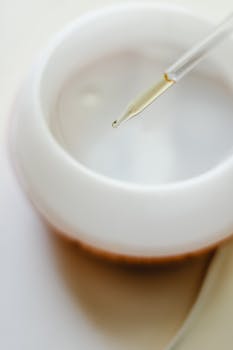
Mineral oil is a versatile product that finds its way into numerous aspects of our daily lives. Known for its diverse applications, mineral oil uses range from personal care to home maintenance, making it a staple in households around the world. In this article, we’ll explore the various benefits and practical uses of mineral oil to help you understand its value.
Understanding Mineral Oil Uses
Mineral oil, a clear, odorless derivative of petroleum, has an array of uses due to its lubricating and moisture-locking properties. Often found in numerous cosmetic and healthcare products, it plays an essential role in skin and hair care routines. Additionally, mineral oil is a popular choice for lubricating machinery and preventing rust, demonstrating its broad functionality.
Personal Care and Skin Health
One of the most common mineral oil uses is in personal care, particularly for skin health. Mineral oil helps to trap moisture in the skin, making it an effective moisturizer. It’s often found in lotions, creams, and baby oils, helping to soothe and protect the skin. Furthermore, it is known for its hypoallergenic properties, making it suitable for sensitive skin.
The oil’s ability to form a barrier on the skin’s surface allows it to protect against drying and irritation. This property can be particularly beneficial in treating conditions like eczema, where maintaining skin hydration is crucial. However, as with any skincare product, it’s important to test for any adverse reactions and consult a dermatologist if necessary.
Hair Care Benefits
Beyond skincare, mineral oil can also enhance hair health. It acts as an occlusive agent, sealing the cuticle and locking in moisture. This can help prevent dryness and frizz, leaving hair looking shinier and more manageable. It’s not uncommon to find mineral oil in conditioners and hair serums targeted at restoring moisture to dry or damaged hair.
Despite its benefits, it’s crucial to use mineral oil judiciously, as excessive use can lead to build-up, weighing down the hair. Regular cleansing and careful application can help in maximizing its positive effects while minimizing potential downsides.
Industrial and Household Uses
Mineral oil’s affordability and lubricating properties make it a practical choice for various industrial applications. It is often used to lubricate machinery, reducing friction and wear. This quality extends its utility to household maintenance tasks, where it can be used to lubricate squeaky hinges or prevent rust on metal surfaces.
In addition to lubrication, mineral oil serves as an effective dust repellent. When applied to wood furniture, it not only helps in maintaining a polished appearance but also prevents dust accumulation, making it a helpful household ally.
Medicinal Applications
Another key area where mineral oil shines is in medicinal uses. It is commonly used as a mild laxative to relieve constipation. By coating the intestines, it facilitates the passage of stool, providing a gentle and effective remedy. However, it should not be used long-term without medical supervision due to potential side effects and the risk of interfering with the absorption of essential nutrients.
Furthermore, mineral oil is sometimes used in treating ear conditions as it can help soften earwax, making it easier to remove. It’s important to follow medical advice when using it for such purposes to ensure safety and effectiveness.
For those interested in broader health topics, including understanding different nutritional approaches, explore safe and effective weight loss strategies and hidden causes that could affect your health journey.
Precautions and Considerations
While mineral oil has many benefits, it’s vital to consider some precautions. Ingestion should only occur under medical guidance, especially in therapeutic contexts. It’s crucial to avoid inhaling the oil, as this can lead to respiratory complications, especially in its liquid form.
People with very oily skin or scalp may find mineral oil exacerbates certain conditions. Thus, it’s advisable to seek advice from health professionals when integrating mineral oil into any routine that involves application on the skin or hair.
For more in-depth information on mineral oil and its uses, refer to credible sources like this detailed overview on health.
In conclusion, mineral oil uses offer numerous practical benefits in everyday life. From enhancing beauty care routines to providing solutions in household maintenance and offering certain medicinal advantages, it remains a valuable resource. Always exercise caution and seek professional advice when in doubt to ensure safety and maximize its utility.
- Mineral oil helps lock in moisture for skin and hair.
- It serves as an excellent lubricant for machinery and household items.
- Used medicinally as a gentle laxative and for ear care.
- Avoid inhaling or using excessively on oily skin or hair.
- Professional advice is recommended for personalized use.
FAQs
Is mineral oil safe for all skin types?
Mineral oil is generally safe for all skin types, but those with oily skin or acne may want to use it cautiously. It’s advisable to test a small area before regular use.
Can mineral oil be used on pets?
While mineral oil is sometimes used for pets, such as for easing constipation, it’s crucial to consult a veterinarian before use to ensure it’s safe for your pet’s specific needs.
How often should mineral oil be applied to hair?
The frequency depends on hair type and condition. Generally, applying mineral oil once or twice a week should suffice. Always ensure thorough cleansing between applications to prevent build-up.
What are the potential side effects of ingesting mineral oil?
Ingesting mineral oil can cause digestive disturbances and interfere with nutrient absorption if used long-term. Always follow medical guidance when using it internally.
Is mineral oil environmentally friendly?
As a petroleum derivative, mineral oil’s production and disposal can have environmental impacts. Opting for eco-friendly alternatives where possible can help reduce environmental harm.
Other Articles You May Find of Interest...
- Effective Solutions for Dermatofibroma Treatment and Management
- The Impact of Blue 1 Dye on Your Health: What You Need to Know
- Clear Skin Is a Health Priority, Not a Cosmetic Luxury
- Effective Ways to Eliminate Sebaceous Filaments for Clearer Skin
- Effective Strategies for Managing Psoriasis Symptoms and Understanding ICD 10 Codes
- Can Sunscreen Affect Your Vitamin D Levels?
- Mastering Facial Expressions: The Role of the Depressor Anguli Oris Muscle




