






More Beauty Skin Care & Gorgeous Smiles Articles
Effective Strategies to Manage Queratosis Pilaris for Smoother Skin
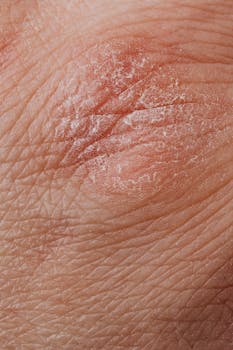
Queratosis pilaris is a common skin condition that often manifests as small, rough bumps on the skin, commonly referred to as “chicken skin.” These bumps usually appear on the arms, thighs, cheeks, or buttocks, and while it’s harmless, it can be frustrating for those seeking smoother skin. Understanding what causes queratosis pilaris and learning strategies to manage it effectively can help improve skin texture and appearance. In this article, we will explore various methods to keep your skin as smooth as possible.
What is Queratosis Pilaris?
Queratosis pilaris is caused by a buildup of keratin, a protein that protects the skin from infections and other harmful substances. This buildup blocks the opening of hair follicles, resulting in the characteristic rough and bumpy appearance. While the exact cause of keratin accumulation remains unknown, it is often found in individuals with dry skin and other conditions like eczema.
Identifying Queratosis Pilaris
The bumps associated with queratosis pilaris are typically flesh-colored and may sometimes be red or inflamed. They are generally not itchy or painful, although some people may experience skin irritation or dryness. Seasonal changes can influence the condition, with symptoms often worsening during the winter months due to lower humidity levels.
Effective Strategies to Manage Queratosis Pilaris
Moisturizing
Regular moisturization is crucial in managing queratosis pilaris. Thick, emollient creams or ointments can help improve skin hydration and texture. Look for products containing ingredients such as urea, lactic acid, or glycolic acid, which assist in exfoliating and softening the skin. Apply moisturizer immediately after bathing to lock in moisture.
Exfoliation
Gentle exfoliation may help remove dead skin cells and reduce the appearance of bumps. Opt for chemical exfoliants like alpha hydroxy acids (AHAs) or beta hydroxy acids (BHAs), which can contribute to smoother skin without causing irritation. Avoid harsh scrubs that may exacerbate the condition.
Consider Humidity
Maintaining indoor humidity levels can have a positive impact on skin condition. Using a humidifier during drier months can help prevent the skin from becoming overly dry and help in managing queratosis pilaris symptoms.
Proper Bathing Habits
Avoid long, hot showers or baths, which can strip the skin of natural oils, worsening the condition. Instead, opt for lukewarm water and limit bath time. Use gentle cleansers and avoid soap bars with harsh detergents.
Professional Treatments
If over-the-counter treatments aren’t providing satisfactory results, consulting with a dermatologist may be beneficial. They may recommend prescription creams or other treatments tailored to your skin needs. In some cases, lasers or lights may be suggested to refine skin appearance.
For more on lifestyle adjustments to improve overall skin health, you might find our article on small steps to a more active lifestyle helpful.
Living with Queratosis Pilaris
Though there is no cure for queratosis pilaris, these strategies can help manage the symptoms and promote smoother skin. Being consistent with your skincare routine is essential. Remember to experiment to find what combination of treatments works best for you, and stay patient, as improvements can take time.
For further details and studies related to skin conditions, you can visit the Wikipedia page on health.
- Queratosis pilaris is a common, harmless skin condition causing rough bumps.
- Moisturizing, gentle exfoliation, and humidity management are key strategies.
- Proper bathing habits can prevent further skin irritation.
- Professional treatments may be necessary for persistent cases.
- Consistency is vital in managing queratosis pilaris symptoms.
What is the main characteristic of queratosis pilaris?
The main characteristic of queratosis pilaris is small, rough bumps that resemble “chicken skin,” typically appearing on the arms, thighs, cheeks, or buttocks.
Can diet affect queratosis pilaris?
While diet is not a primary cause of queratosis pilaris, maintaining overall skin health through a balanced diet may provide some support. Consult with a healthcare provider for personalized advice.
Does sun exposure improve or worsen queratosis pilaris?
Moderate sun exposure may temporarily improve the appearance of the skin, but excessive exposure can lead to dryness and worsen symptoms. Always use sunscreen to protect your skin.
Are there any home remedies for queratosis pilaris?
Hydration, regular moisturization, and gentle exfoliation are effective home remedies. However, results vary, and professional advice may be necessary for severe cases.
Is it possible to completely get rid of queratosis pilaris?
While there is no cure, symptoms can be effectively managed with a consistent skincare routine, potentially reducing bumps over time.
Other Articles You May Find of Interest...
- Revealing the Causes and Solutions for Sunken Eyes
- How Does Rhinoplasty Affect Breathing? 5 Important Things to Know
- The Confidence Connection: How Skin, Smile, and Self-Care Shape the Way You Show Up
- A Holistic Guide to Radiance and Skin Vitality
- Unlock the Secrets to Radiant Skin: The Benefits of a Yellow Facial
- The Best Plastic Surgeons in Turkey: 6 Specialists Worth Considering
- 5 Things You Must Know Before Getting Laser Hair Removal in Toronto




