






More Beauty Skin Care & Gorgeous Smiles Articles
Effective Solutions for Dermatofibroma Treatment and Management
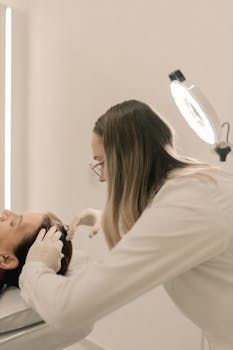
If you have noticed a small, firm bump under your skin, you might be dealing with a dermatofibroma. These benign skin growths are common and often harmless, yet they can cause cosmetic concern for some individuals. Understanding dermatofibroma treatment options is crucial for anyone looking to manage or remove these skin lesions effectively.
Understanding Dermatofibroma Treatment
Dermatofibromas typically appear as small, button-like, hard nodules on the skin, often on the legs and arms. While they are generally painless, some people may experience itching or tenderness. Treatment, however, is usually only pursued for cosmetic reasons or if the lesion is bothersome.
Diagnosis and Assessment
Before deciding on a treatment plan, an accurate diagnosis is essential. Dermatologists can often diagnose dermatofibromas through a physical examination. In some cases, they may perform a biopsy to ensure the nodule is non-cancerous. Early diagnosis aids in effective dermatofibroma management and treatment planning.
Non-Surgical Treatment Options
Many individuals opt for non-surgical methods to address dermatofibromas. These methods can diminish the appearance of the lesions and provide symptomatic relief:
- Topical Steroids: Applying topical steroid creams may help reduce itching and inflammation associated with dermatofibromas.
- Compression: The use of compression pads may help flatten the lesion temporarily, although results can vary.
- Cryotherapy: Freezing the dermatofibroma with liquid nitrogen can decrease its size and discomfort. This method requires repeated treatments and is not suitable for all skin types.
Surgical Treatment Options
For those seeking a permanent solution, surgical options are available. These methods are often selected when the dermatofibroma causes significant discomfort or is aesthetically displeasing:
- Surgical Excision: The complete removal of the dermatofibroma through surgery is a definitive solution, though it may leave a scar.
- Laser Therapy: Laser treatments can lessen the pigmentation of dermatofibromas, improving cosmetic appearance without the need for incision.
Aftercare and Recovery
Post-treatment care is essential for any dermatofibroma treatment. If you undergo surgical excision or laser therapy, follow your dermatologist’s instructions closely to ensure proper healing. This often includes keeping the area clean, applying prescribed ointments, and avoiding sun exposure to prevent discoloration.
For a non-surgical approach, using moisturizers and mild skincare products can help maintain skin health and comfort.
Can Lifestyle Changes Help?
While lifestyle changes alone cannot remove dermatofibromas, maintaining overall skin health is beneficial. A balanced diet rich in vitamins and minerals supports skin integrity and repair. Regular exercise, as outlined in this article on safe and effective weight loss, promotes healthy circulation and skin appearance.
Protecting your skin from excessive sun exposure and using mild skincare products further supports skin health.
Preventing Dermatofibromas
Prevention of dermatofibromas can be challenging since they often result from minor skin injuries or hormonal changes. However, practicing good skincare and minimizing skin trauma can reduce your risk of developing new lesions.
Further Information and Support
For additional, unbiased information on skin lesions such as dermatofibromas, visit resources like the Health section on Wikipedia. This can aid in understanding your condition better and exploring more treatment paths.
In summary, dermatofibroma treatment requires a personalized approach, often led by individual cosmetic concerns or lesion discomfort. While these skin growths are usually harmless, effective management can enhance your comfort and confidence.
- Dermatofibromas are small, benign skin growths.
- Treatment is usually pursued for cosmetic reasons.
- Options include surgical and non-surgical methods.
- Diagnosis by a dermatologist is crucial for proper treatment.
- Maintaining skin health supports overall well-being.
What exactly is a dermatofibroma?
Dermatofibromas are benign, fibrous nodules found on the skin, often resulting from minor injuries or insect bites. They are common, mostly measuring 0.5–1 cm in diameter, and typically appear on the limbs.
Can dermatofibromas turn into cancer?
No, dermatofibromas are benign and have no known risk of developing into cancer. However, any changes in size, color, or sensation in skin lesions should be evaluated by a healthcare professional.
Is surgery the only method to remove a dermatofibroma?
While surgical excision is a definitive solution, other options like laser therapy and cryotherapy exist. They vary in effectiveness and are best discussed with a dermatologist.
Does removing a dermatofibroma leave a scar?
Surgery can result in scarring, which may vary based on the individual’s skin type and healing capabilities. Alternative treatments may minimize scarring but can also be less effective.
Are there home remedies for dermatofibroma treatment?
Home remedies may provide temporary relief for symptoms like itching or discomfort but are unlikely to remove the dermatofibroma itself. Consulting a dermatologist ensures appropriate care and management.
Other Articles You May Find of Interest...
- Effective Solutions for Dermatofibroma Treatment and Management
- The Impact of Blue 1 Dye on Your Health: What You Need to Know
- Clear Skin Is a Health Priority, Not a Cosmetic Luxury
- Effective Ways to Eliminate Sebaceous Filaments for Clearer Skin
- Effective Strategies for Managing Psoriasis Symptoms and Understanding ICD 10 Codes
- Can Sunscreen Affect Your Vitamin D Levels?
- Mastering Facial Expressions: The Role of the Depressor Anguli Oris Muscle




