






Your Health Magazine
4201 Northview Drive
Suite #102
Bowie, MD 20716
301-805-6805
More Beauty Skin Care & Gorgeous Smiles Articles
Does Retinol Purging Lead to Acne Breakouts? Uncovering the Truth
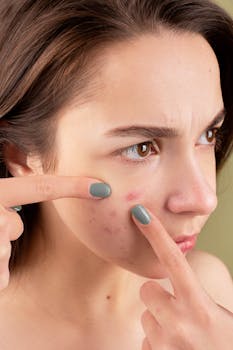
Retinol purging is a common topic of discussion among skincare enthusiasts, especially for those new to incorporating retinol into their beauty regimen. It’s important to understand what retinol purging means and how it can affect your skin. This guide delves into whether retinol purging truly leads to acne breakouts and what you can do to manage any adverse effects.
Understanding Retinol Purging
Retinol is a derivative of vitamin A, widely known for its anti-aging properties and ability to improve skin texture. When you first start using retinol, you might notice an increase in acne breakouts, a process commonly referred to as “retinol purging.” This occurs as retinol accelerates skin cell turnover, pushing out impurities from deep within your pores to the surface. Dermatology resources, such as Okdermo, provide detailed explanations of how this process works and why it’s a temporary phase.
Although it can be unsettling to experience worsening skin after beginning a new skincare treatment, it’s essential to recognize this phase as a temporary process. Knowing the difference between a purge and new breakouts caused by irritation is crucial for effectively managing your skin. Retinol purging and how it differs from a negative reaction should be understood to prevent unnecessary alarm.
Can Retinol Cause Acne?
While retinol can trigger initial breakouts, it does not inherently cause acne. Instead, its involvement in the skin shedding and renewal process can temporarily bring pre-existing issues to the forefront. Unlike acne, which can be attributed to bacteria and clogged pores, the purging phase is a response to the rapid exfoliation promoted by retinol.
Retinol encourages a quicker cycle of shedding dead skin cells, which might lead to clearer skin in the long term. The increased cell turnover, however, may temporarily cause clogged pores to purge, appearing as acne. These changes are different from typical acne in terms of duration and cause.
Does Retinol Make You Break Out?
Whether retinol makes you break out depends on various factors, including your skin type, the concentration of retinol, and the accompanying skincare routine. If you’re inclined to sensitive skin, a purging process may seem more pronounced and prolonged. Gradually introducing retinol to your skincare program can help mitigate these temporary breakouts.
It’s important to start with a lower concentration of retinol and increase its usage gradually. Use it once or twice a week initially, gradually increasing the frequency as your skin builds tolerance. Pair it with a gentle cleanser and moisturizer to alleviate any irritation or dryness that might contribute to breakouts.
For further guidance on integrating different health strategies for better skin and overall well-being, check out our detailed article on weight management and lifestyle approaches.
Managing Skin During Retinol Purging
Experiencing the purging phase can be challenging, especially when eager for visible improvements. However, understanding how to manage your skin can make this transition smoother. Here are some practical tips:
- Introduce retinol gradually, starting with lower concentrations.
- Hydrate your skin with a quality moisturizer to avoid dryness.
- Avoid combining retinol with other exfoliants and Vitamin C to minimize irritation.
- Consult a dermatologist if the purging phase extends beyond six weeks.
If you’re interested in learning more about the intricacies of retinol and its effects on the skin, you might find this information from Wikipedia’s retinoid page valuable.
Final Thoughts on Retinol Purging
Understanding retinol purging can help you better manage your skincare routine and expectations. While the initial breakout phase can be discouraging, it’s often a sign that your skin is renewing and adapting to an enhanced state of health. Whether asking, “Can retinol cause acne?” or pondering, “Does retinol make you break out?” it’s vital to remember that these effects are typically temporary.
Consulting a skincare professional can provide personalized recommendations. Remember to remain patient and consistent with your retinol application, embracing it as a long-term investment in your skin’s future.
- Retinol purging is common and temporary, not a sign of failure.
- Acne-like effects are part of skin cell turnover, not new acne.
- Gradually introducing retinol can ease the purging phase.
- Hydration and patience are key to navigating early challenges.
- Consult a dermatologist for prolonged or severe reactions.
What is retinol purging?
Retinol purging is a temporary phase where retinol accelerates cell turnover, leading to temporary increases in breakouts as impurities surface.
How can I tell if it’s a purge or new acne?
Purging is usually more short-lived and follows the pattern of regular breakouts. New acne often affects areas not previously prone to acne.
How long does retinol purging last?
The purging period generally lasts 4-6 weeks, varying depending on skin type and the concentration of retinol used.
Can I use retinol with other skincare products?
Pair retinol with mild cleansers and adequate moisturizers. Avoid mixing with other potent exfoliants and Vitamin C to prevent irritation.
When should I see a dermatologist?
If the purging phase extends beyond six weeks or causes severe irritation, consult a dermatologist for personalized advice.
Other Articles You May Find of Interest...
- Effective Solutions for Dermatofibroma Treatment and Management
- The Impact of Blue 1 Dye on Your Health: What You Need to Know
- Clear Skin Is a Health Priority, Not a Cosmetic Luxury
- Effective Ways to Eliminate Sebaceous Filaments for Clearer Skin
- Effective Strategies for Managing Psoriasis Symptoms and Understanding ICD 10 Codes
- Can Sunscreen Affect Your Vitamin D Levels?
- Mastering Facial Expressions: The Role of the Depressor Anguli Oris Muscle




