






More Beauty Skin Care & Gorgeous Smiles Articles
Decoding Chin Acne: Causes and What Your Pimples Might Mean
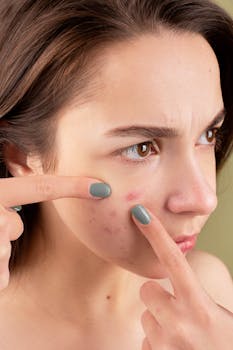
Chin acne can be both frustrating and puzzling, leading many to wonder about its underlying causes and meanings. Understanding chin acne meaning can provide insights into potential factors affecting your skin health. Acne on different areas of your face may point to various underlying issues, helping you to address them more effectively.
Understanding Chin Acne Meaning
Acne on the chin area, often speculated to be related to hormonal changes, can give clues about one’s health or lifestyle habits. Hormones called androgens can lead to increased oil production, commonly affecting areas such as the chin and jawline.
Common Causes: What Causes Chin Acne?
Chin acne can arise from various factors. Hormonal fluctuations, often seen in teenagers or during menstrual cycles, are a primary culprit. Stress can also exacerbate acne by triggering hormone production, resulting in increased oil gland activity.
Poor skincare habits, such as not cleansing your face regularly, can contribute to this issue. Moreover, diet can play a role; high-glycemic foods or dairy products may worsen acne for some people. Understanding how nutrition impacts skin health can be particularly helpful in managing acne.
Cheek Acne Causes
The causes of cheek acne can differ slightly from chin acne. Cheek acne may be linked to environmental factors such as contact with a dirty phone screen, pillowcases, or even hair touching the face. Poor air quality and smoke exposure may also contribute to acne in this area.
Acne on Jawline: What Does It Mean?
Acne on the jawline, much like chin acne, is frequently associated with hormonal changes. People with a history of polycystic ovary syndrome (PCOS) may notice frequent breakouts in this area due to hormonal imbalances. Research suggests that targeting these imbalances through medical advice can help manage symptoms effectively.
Pimple Location and Meaning
Understanding the location of acne and its potential meaning can aid in identifying underlying health issues. For example, frequent breakouts on the forehead may indicate digestive issues or stress-related factors, while nose acne is sometimes linked to cardiovascular health.
Whether you’re dealing with chin, cheek, or jawline acne, it’s important to consider both external and internal factors, including diet, lifestyle, and hormonal health, that can contribute to acne development.
For more in-depth information on how different locations of acne might correspond to various health concerns, consider reviewing credible resources such as this Wikipedia article on overall health management.
Preventive Measures and Treatment
To address chin acne and other facial breakouts, maintaining a consistent skincare regimen is crucial. This includes regular cleansing, moisturizing, and exfoliating to keep skin clear and healthy. Consulting with a dermatologist may provide tailored advice suited to your skin type and specific needs.
Dietary modifications, such as reducing sugar and dairy intake, could be beneficial for some individuals. Additionally, managing stress through regular exercise, yoga, or meditation might help regulate hormone levels, potentially reducing the incidence of acne.
Chin Acne Meaning: Final Thoughts
Comprehending the chin acne meaning can empower you to make informed decisions about your skin health. Not only does it clarify some of the triggers, but understanding where acne appears on the face can also guide skin care strategies. Remember, while some insights can be drawn, for a personalized diagnosis and treatment plan, consulting a healthcare provider is advisable.
- Chin acne often indicates hormonal changes or imbalances.
- Cheek acne can be linked to environmental factors or hygiene practices.
- Jawline acne may suggest hormonal fluctuations, common in PCOS sufferers.
- Consider lifestyle changes like diet amendments and stress management for clearer skin.
- Consult a healthcare provider for personalized treatment options.
What are the primary causes of chin acne?
Chin acne is frequently caused by hormonal changes, stress, and dietary factors. It’s essential to maintain skincare routines and manage diet and stress levels to help mitigate outbreaks.
Can cheek acne indicate underlying health problems?
Cheek acne can sometimes point to poor hygiene, environmental exposure, or even stress. It’s a good idea to maintain proper sanitation of objects that frequently touch the face, such as phone screens and pillowcases.
How does hormonal acne on the jawline differ from other types?
Hormonal acne on the jawline typically relates to imbalances in hormone levels, notably with androgens. This often demands a holistic health approach, possibly including hormonal assessments and lifestyle modifications.
Is there a link between diet and acne severity?
Yes, some people report better skin after adjusting their diet. Reducing intake of high-glycemic foods and dairy products may alleviate symptoms for some. However, results can vary, and professional advice can help tailor dietary choices to individual needs.
How can I prevent acne from forming?
Consistent skincare, balanced nutrition, and stress management are key to preventing acne. Keeping skin clean and hydrated, alongside regular exercise and stress-reduction techniques, can significantly benefit skin health.
Other Articles You May Find of Interest...
- Effective Solutions for Dermatofibroma Treatment and Management
- The Impact of Blue 1 Dye on Your Health: What You Need to Know
- Clear Skin Is a Health Priority, Not a Cosmetic Luxury
- Effective Ways to Eliminate Sebaceous Filaments for Clearer Skin
- Effective Strategies for Managing Psoriasis Symptoms and Understanding ICD 10 Codes
- Can Sunscreen Affect Your Vitamin D Levels?
- Mastering Facial Expressions: The Role of the Depressor Anguli Oris Muscle




