More Beauty Skin Care & Gorgeous Smiles Articles
Can You Prevent Skin Tags From Forming?
By Your Health Magazine Health Information Team
You cannot reliably prevent every skin tag from forming. Genetics, aging, pregnancy, body composition, and metabolic factors can all influence who develops them. However, reducing repeated skin friction and supporting a healthy weight may lower the likelihood of new skin tags in some people. No method can guarantee complete prevention.
Why Skin Tags Form
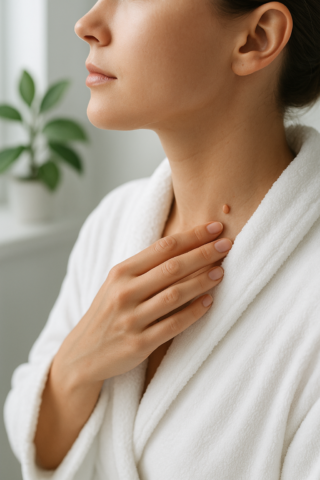
Skin tags, medically called acrochordons, are small, soft, noncancerous growths. They are often attached to the skin by a narrow stalk and usually appear in areas where skin, clothing, or jewelry repeatedly rubs.
Common locations include the neck, underarms, groin, inner thighs, eyelids, and beneath the breasts or other skin folds. According to the MedlinePlus overview of cutaneous skin tags, they are generally harmless but can become irritated by clothing and other materials.
| Factor | Can It Be Changed? |
|---|---|
| Repeated rubbing from clothing or jewelry | Often |
| Skin-to-skin friction | Sometimes |
| Overweight or obesity | Sometimes, with appropriate support |
| Pregnancy-related changes | No |
| Family tendency | No |
| Aging and looser skin | No |
How to Reduce Friction on the Skin
Because skin tags frequently develop in high-friction areas, limiting persistent rubbing is the most practical prevention strategy. These measures may help:
- Choose comfortable clothing. Wear garments that fit without repeatedly rubbing the neck, underarms, groin, or waist. Breathable, smooth fabrics may be more comfortable in areas prone to chafing.
- Reconsider irritating jewelry. Necklaces and chains that continually move against the same neck crease may contribute to irritation.
- Make adjustments during exercise. Properly fitting exercise clothing can reduce skin-to-skin rubbing along the thighs, beneath the breasts, and around the underarms.
- Keep skin folds clean and comfortably dry. Moisture and perspiration can worsen chafing. Gently dry folds after bathing or exercise without aggressive rubbing.
- Avoid picking at existing tags. Twisting, scratching, or repeatedly handling one can cause pain, bleeding, or inflammation.
These steps can decrease irritation, but they may not stop skin tags caused primarily by inherited, hormonal, or age-related factors.
Weight and Metabolic Health May Matter
Skin tags are more common in people who have overweight or obesity, partly because additional skin folds can increase friction. They are also associated with insulin resistance, type 2 diabetes, and metabolic syndrome. An association does not mean that every person with skin tags has a metabolic disorder, nor does it prove that high blood sugar directly caused a particular tag.
If weight management is medically appropriate, gradual changes involving balanced nutrition, regular activity, adequate sleep, and professional support may reduce friction while improving overall health. A primary care clinician or registered dietitian can help establish realistic goals without promising that weight loss will eliminate or prevent every skin tag.
Someone who develops numerous skin tags—particularly when accompanied by risk factors for diabetes or areas of thickened, darkened skin—may wish to discuss routine metabolic screening with a healthcare professional. Testing decisions should be based on the person’s complete medical history rather than skin tags alone.
What Does Not Reliably Prevent Skin Tags?
Skin tags are not generally attributed to ultraviolet exposure. Sunscreen remains essential for reducing UV-related skin damage, but it is not considered a way to prevent skin tags. For broader sun-safety guidance, read about choosing effective sunscreens and preventing sun-related illness.
Removing an existing skin tag also does not prevent new ones from forming elsewhere. A completely removed tag generally does not return in the same spot, but people who are prone to them may continue to develop additional growths.
There is no established cream, supplement, cleanser, or home remedy that prevents skin tags. Be cautious with products promoted for removing or preventing skin growths. The FDA warns about unproven products marketed for skin conditions because some may cause irritation, injury, scarring, or other serious effects.
If a Skin Tag Has Already Formed
Most skin tags require no treatment unless they bleed, become painful, interfere with vision, repeatedly catch on clothing, or cause unwanted cosmetic concerns. A dermatologist can confirm that the growth is actually a skin tag and discuss removal methods such as freezing, carefully cutting it off, or treating it with controlled heat.
Do not cut, burn, or apply acids or wart medication to a suspected skin tag at home. These approaches may damage healthy skin, cause infection or significant bleeding, and delay diagnosis if the growth is actually a mole, wart, or skin cancer. The American Academy of Dermatology’s skin tag guidance explains why professional identification and removal are safer.
When to Seek Care
Arrange an evaluation with a primary care clinician or dermatologist if a growth:
- changes rapidly in size, shape, texture, or color;
- bleeds without an obvious cause;
- becomes suddenly painful, swollen, or persistently irritated;
- develops near an eyelid and affects vision;
- does not have the typical soft appearance of a skin tag; or
- appears along with many new growths over a short period.
A professional examination is important because several conditions can resemble skin tags. For additional reliable consumer information about skin and other medical concerns, explore MedlinePlus health topics.
Other Articles You May Find of Interest...
- Can You Prevent Skin Tags From Forming?
- How Digital Tools Can Support Safer, More Efficient Cosmetics Purchasing
- Is a Breast Lift with Augmentation Right for Your Body Goals?
- Types of Facelifts and Nonsurgical Alternatives: Benefits, Risks, and Limitations
- How AI Is Changing Melanoma Awareness and Early Skin Checks
- Are Dermal Fillers Safe? Understanding the Potential Risks and Benefits
- When Is a Mommy Makeover Safe? What to Know First
Featured Doctors and Practices