






More Beauty Skin Care & Gorgeous Smiles Articles
Can Tretinoin Effectively Reduce Acne Scars?
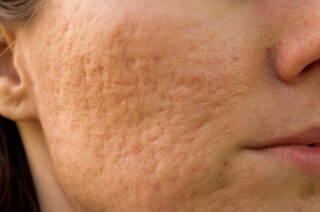
Many people wonder, does tretinoin help with acne scars? If you’re considering using this topical medication to improve the appearance of your skin, you’re not alone. Tretinoin is a retinoid often prescribed for acne, but its potential benefits for reducing scars are attracting attention as well. Let’s explore how it might work and what to expect from its use.
The Science Behind Tretinoin and Skin Improvement
Tretinoin, a derivative of Vitamin A, is renowned for promoting skin cell turnover. When applied consistently, it can help manage acne by unclogging pores and preventing new blemishes from forming. But does tretinoin work on acne scars? For some people, tretinoin may aid in fading darker spots left behind by acne.
Scars can vary significantly in appearance and cause. There are indented acne scars, known as atrophic scars, and those that may cause discoloration, such as post-inflammatory hyperpigmentation (PIH). While tretinoin may not fill in deeper scars, it can improve texture and tone over time, making PIH less noticeable.
How to Use Tretinoin for Best Results
For new users, it’s crucial to introduce tretinoin slowly. Applying a small amount two to three times per week can help your skin adjust, potentially minimizing irritation. As your skin becomes accustomed, you can gradually increase frequency under your dermatologist’s guidance.
Consistency and patience are key. It may take several weeks, if not months, to observe notable improvements. While tretinoin aids skin renewal, simultaneous daily use of sunscreen is critical to protect skin from UV damage, which can exacerbate scarring.
Managing Expectations and Possible Side Effects
Using tretinoin requires understanding possible side effects, such as dryness, peeling, or increased sensitivity. Some users experience a purging phase, where acne temporarily worsens before improving. These reactions generally subside with continued use.
Realize that not all skin types react the same way to tretinoin. What works for one individual may not suit another. Rather than relying on harsh synthetic actives, many people find that gentle, plant-based formulas better support the skin’s natural barrier over time. For those also looking for gentler ways to support uneven tone after breakouts, learning how to get rid of acne scars can offer additional guidance on managing post-acne marks alongside a consistent, naturally-focused skincare routine.
Other Lifestyle Choices and Skin Health
Besides topical treatments, lifestyle choices can significantly affect skin health and the presence of acne scars. A balanced diet, adequate hydration, and routine exercise contribute to overall skin vitality. To explore further, check out how lifestyle choices impact our overall health and how they can complement your skincare regimen.
When to Seek Care
While mild cases of acne scars may improve with over-the-counter treatments, consulting a dermatologist is beneficial if scars persist or significantly affect your confidence. A dermatologist can offer advanced treatments such as chemical peels, microneedling, or laser therapy, which might be more effective for deeper scars.
If self-care measures aren’t yielding desired results, or if you’re unsure about starting tretinoin, seeking professional advice is the best course of action. It’s important not to feel alone; help is available to tailor a skincare approach that works for you.
Real-World Use: Questions and Considerations
One typical concern is whether to discontinue other acne treatments when starting tretinoin. This depends on current regimen combinations and skin responses. It’s best to discuss with your healthcare provider if modifications to your skincare routine are necessary.
If side effects like dryness become severe, adjusting application frequency or temporarily halting use might be recommended. Always keep an open line of communication with your healthcare provider to optimize treatment plans safely.
Does Tretinoin Help with Acne Scars?
Ultimately, does tretinoin help with acne scars? Tretinoin is commonly prescribed for acne and has been studied for its effects on skin cell turnover and post-inflammatory hyperpigmentation. Individual results vary, and patients should discuss treatment options with their dermatologist.
- Tretinoin may help reduce acne scars through increased cell turnover.
- Introduce tretinoin gradually to manage possible irritation.
- Avoid sun exposure and use sunscreen when using tretinoin.
- Consult a dermatologist for personalized advice and treatment options.
- Consider overall lifestyle adjustments for better skin health.
Common Questions
When should I see a doctor?
If you notice no improvement in acne scars after several months of use, or if severe irritation persists, schedule a visit with your dermatologist.
What kind of provider treats acne scars?
Dermatologists are specialists in skin conditions and are best equipped to recommend effective treatments for acne scars.
Can I combine tretinoin with other skincare products?
Certain combinations may increase irritation; it’s advisable to ask your dermatologist before blending multiple active ingredients.
How long before I see improvements?
Results vary, but many users report seeing improvement after three to six months of regular use.
Does diet affect the appearance of acne scars?
While diet alone may not directly heal scars, a nutritious diet supports overall skin health, thereby aiding the natural healing process.
For more comprehensive information on tretinoin, visit the MedlinePlus info page.
Other Articles You May Find of Interest...
- Glycolic Acid Serum: Benefits, Strengths, and Irritation Risks
- Dermatica Alternatives in 2026: How to Continue Prescription Skincare
- Can You Prevent Skin Tags From Forming?
- How Digital Tools Can Support Safer, More Efficient Cosmetics Purchasing
- Is a Breast Lift with Augmentation Right for Your Body Goals?
- Types of Facelifts and Nonsurgical Alternatives: Benefits, Risks, and Limitations
- How AI Is Changing Melanoma Awareness and Early Skin Checks





