






More Beauty Skin Care & Gorgeous Smiles Articles
Can Topical Retinoids Really Help Reduce Acne Scars?
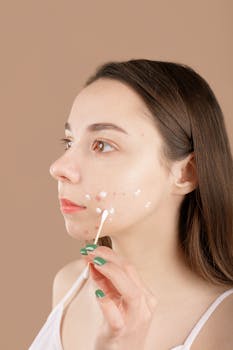
Topical retinoids have gained attention for their potential to address various skin concerns, including the reduction of acne scars. These compounds, derivatives of vitamin A, are frequently used in skincare due to their ability to promote skin cell turnover and enhance collagen production. In this article, we explore how topical retinoids acne scars treatment could offer promising results for individuals looking to improve their skin texture.
Understanding Topical Retinoids for Acne Scars
Topical retinoids are widely recognized for their role in managing acne, but their benefits extend to addressing residual scars left by this common skin condition. These retinoids work by accelerating skin cell renewal and reducing inflammation, which can help diminish the appearance of scars over time. While results can vary, consistent use may yield visible improvement in skin smoothness and scar visibility.
The primary mechanism by which topical retinoids work is through the stimulation of collagen production. Collagen is a vital protein that maintains skin elasticity and structure. By increasing collagen, retinoids can help restore a more even texture to the skin, thereby softening the appearance of indented scars.
Types of Topical Retinoids Used
Several types of retinoids are used in the treatment of acne scars, with varying strengths and formulations available. The most common types include tretinoin, adapalene, and tazarotene. Each has its own unique properties:
- Tretinoin: Often regarded as one of the most effective retinoids, tretinoin is available in various strengths and is known for its potent ability to renew the skin.
- Adapalene: Known for its gentler action, adapalene is available over the counter and can be a suitable option for those with sensitive skin.
- Tazarotene: Typically used for more severe cases of acne and scarring, tazarotene is generally prescribed by dermatologists.
How Effective Are Topical Retinoids for Acne Scars?
The effectiveness of topical retinoids in reducing acne scars can depend on several factors, including the severity of the scars and the individual’s skin type. Retinoids may be particularly effective for shallow, atrophic scars, which are the most common type left by acne.
Studies suggest that with regular use, retinoids can lead to a noticeable improvement in skin texture and scar appearance, although results can take several weeks or even months to become apparent. It’s important to maintain a consistent skincare routine and manage expectations realistically.
Application Tips and Considerations
When using topical retinoids for acne scars, it’s essential to apply them correctly to avoid irritation and maximize benefits:
- Begin with a lower concentration to allow your skin to adjust.
- Apply the retinoid in the evening, as it can increase sensitivity to sunlight.
- Use a moisturizer to minimize dryness and flakiness that can occur with retinoid use.
- Wear sunscreen during the day to protect your skin from UV damage.
It is always advisable to consult with a healthcare professional before starting any new skincare treatment. They can provide personalized guidance based on your skin type and specific needs.
The Role of Lifestyle and Skincare
In addition to using topical retinoids, adopting a healthy lifestyle can further support skin health and help minimize acne scars. A comprehensive approach that includes a balanced diet, regular physical activity, and stress management can have profound effects on overall skin condition. Find more tips in our article on how lifestyle choices impact our overall health.
Additionally, maintaining a consistent skincare routine and using complementary products such as gentle cleansers and non-comedogenic moisturizers can enhance the effects of retinoids.
For those who want more in-depth information on skincare ingredients, the Retinoid Wikipedia page provides a comprehensive overview.
Conclusion: Can Topical Retinoids Help Reduce Acne Scars?
In conclusion, topical retinoids can be a valuable tool in the effort to reduce acne scars. By promoting skin renewal and boosting collagen production, they may offer significant improvements when used consistently and as part of a broader skincare regimen. However, results vary, and it’s crucial to manage expectations and consult healthcare professionals for tailored advice.
- Topical retinoids promote skin cell turnover and collagen production.
- They are helpful in treating shallow, atrophic acne scars.
- Regular usage and proper skincare can enhance their efficacy.
- Consult a dermatologist before beginning treatment.
- Pair them with lifestyle changes for optimal skin health.
FAQ
What are topical retinoids?
Topical retinoids are derivatives of vitamin A used in skincare to promote cell turnover and collagen production, helping to address acne and scars.
How do retinoids reduce acne scars?
Retinoids reduce acne scars by increasing skin cell turnover and boosting collagen production, which smooths out the skin’s texture over time.
Are there side effects of using retinoids for acne scars?
Possible side effects include dryness, redness, and irritation. These often diminish with continued use, but you should start with a lower concentration.
Can I use retinoids with other acne treatments?
Yes, but it is best to consult a healthcare provider to ensure compatibility and to create an effective treatment plan tailored to your skin.
How long does it take to see results with retinoids?
Results may take several weeks to several months to become noticeable, depending on the severity of the scars and consistent use of the retinoid.
Other Articles You May Find of Interest...
- The Best Plastic Surgeons in Turkey: 6 Specialists Worth Considering
- 5 Things You Must Know Before Getting Laser Hair Removal in Toronto
- Why Collagen and Hyaluronic Acid Work Better Together for Skin, Hair, Nails, and Joint Support
- Chapped Lips: Discover the Causes and Solutions for Lasting Relief
- How to Treat and Prevent Finger Zits Effectively
- Effective Solutions for Hyperpigmentation Around the Mouth and Chin
- What Does a Little White Pimple on Your Lip Mean?



