






More Beauty Skin Care & Gorgeous Smiles Articles
Can Glycolic Acid be the Solution for Acne?
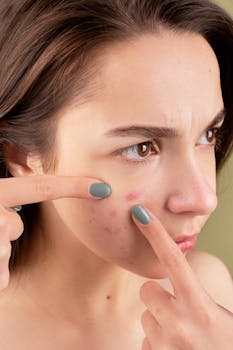
People with acne often search for effective treatments to improve their skin health. One solution that frequently surfaces is glycolic acid. But how effective is glycolic acid acne treatment, and what should you know before trying it? Understanding its benefits, potential side effects, and application techniques is crucial for anyone considering this skincare option.
How Glycolic Acid Addresses Acne
Glycolic acid is a type of alpha hydroxy acid (AHA) derived from sugar cane. It is commonly used in skincare products for its exfoliating properties. When applied to the skin, glycolic acid helps to remove dead skin cells, unclogging pores and allowing for more effective penetration of other acne treatments. This process is beneficial because clogged pores are a leading cause of acne breakouts.
For individuals battling acne, incorporating glycolic acid into a skincare routine may reduce the occurrence of new blemishes and help fade post-acne marks and scars. By promoting faster cell turnover, glycolic acid encourages a smoother, more even complexion.
Benefits of Using Glycolic Acid
Using glycolic acid for acne has several potential benefits:
- Exfoliation: Gently sloughs away dead skin cells, preventing clogged pores.
- Cell Turnover: Speeds up cell turnover, helping to reduce the appearance of scars and acne marks.
- Improved Texture: Regular use can lead to a visibly smoother skin texture.
Application Guidelines for Glycolic Acid
Proper application is essential for maximizing glycolic acid’s effectiveness and minimizing potential irritation. When beginning a glycolic acid regimen, start with a lower concentration (5-10%) to allow your skin to adapt. Over time, you can gradually increase the concentration if necessary, up to about 20%, but only if your skin tolerates it well.
Apply glycolic acid products in the evening after cleansing the skin and before moisturizing. It’s crucial to follow up with sunscreen during the day, as AHA ingredients can increase your skin’s sensitivity to sunlight.
Potential Side Effects
Like any skincare ingredient, glycolic acid is not without potential side effects. Some individuals might experience mild irritation, redness, or peeling, especially when first incorporating the acid into their routine. If the irritation persists, it is advisable to consult a dermatologist. It’s crucial to use products formulated for your specific skin type and concerns.
Can Glycolic Acid Be Combined with Other Acne Treatments?
Glycolic acid can generally be combined with other acne treatments, such as salicylic acid or benzoyl peroxide, although it may initially cause some dryness or irritation. To reduce the risk of adverse reactions, introduce additional treatments slowly and alternate use rather than layering them all at once.
Moreover, it is worth considering lifestyle modifications alongside product usage. For more tips on achieving balanced wellness, you might explore our article on overcoming weight challenges through comprehensive lifestyle changes.
Is Glycolic Acid Acne Treatment Suitable for Everyone?
While glycolic acid is generally safe for most skin types, those with particularly sensitive skin should proceed with caution. Patch testing new products can help prevent adverse reactions. Furthermore, individuals with severe acne should seek medical advice, as they may require prescription medications or additional interventions.
For more in-depth information about acne treatments and their ingredients, check out this Wikipedia article on acne vulgaris.
In conclusion, glycolic acid acne treatment may provide an effective solution for many seeking clearer skin. Understanding its benefits, proper usage, and potential side effects will be key to optimizing results in your skincare journey.
- Glycolic acid helps exfoliate the skin and unclog pores.
- Start with a low concentration and increase gradually.
- Always use sunscreen when using glycolic acid products.
- Consult with a dermatologist for personalized advice.
- Can be used with other acne treatments if tolerated well.
What is glycolic acid?
Glycolic acid is an alpha hydroxy acid (AHA) commonly used in skincare products for exfoliation and improving skin texture.
How often should I use glycolic acid for acne?
It is typically safe to use glycolic acid 2-3 times per week, but frequency should be adjusted based on your skin’s response and tolerance.
Can glycolic acid worsen acne?
In some cases, skin may initially react to glycolic acid products with increased breakouts or irritation. It’s essential to monitor your skin’s response and consult a dermatologist if needed.
Should I combine glycolic acid with retinoids?
Combining glycolic acid with retinoids can be effective but should be done cautiously to prevent skin irritation. Consider using them on alternate days.
Is glycolic acid safe for teenage acne?
Glycolic acid can be safe for teenagers, provided it’s used correctly and monitored for side effects. A dermatologist can offer specific recommendations based on individual skin conditions.
Other Articles You May Find of Interest...
- Effective Solutions for Dermatofibroma Treatment and Management
- The Impact of Blue 1 Dye on Your Health: What You Need to Know
- Clear Skin Is a Health Priority, Not a Cosmetic Luxury
- Effective Ways to Eliminate Sebaceous Filaments for Clearer Skin
- Effective Strategies for Managing Psoriasis Symptoms and Understanding ICD 10 Codes
- Can Sunscreen Affect Your Vitamin D Levels?
- Mastering Facial Expressions: The Role of the Depressor Anguli Oris Muscle




