






More Beauty Skin Care & Gorgeous Smiles Articles
Can Botox for Migraines Alter Your Facial Appearance?
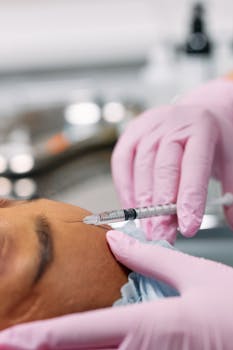
Millions of people suffer from chronic migraines, and Botox has emerged as a treatment option that may offer relief. While Botox is widely known for its cosmetic applications, many wonder: does Botox for migraines change your face? This question is important for those who want to manage their migraines without altering their appearance.
Does Botox for Migraines Change Your Face?
Botox, a neurotoxin produced by the bacterium Clostridium botulinum, is used for both cosmetic purposes and medical treatments, including chronic migraine relief. When it’s used for migraines, Botox is injected into specific areas around the head and neck. The goal is to block the release of neurotransmitters involved in pain, helping to prevent migraines before they start. This has prompted questions about whether these injections may also affect one’s facial appearance.
For some, fear of unintended facial changes can be a significant concern when considering Botox for migraines. However, the areas targeted for migraine treatment are often different from those used for cosmetic purposes like reducing wrinkles. Nonetheless, because Botox relaxes the muscles it’s injected into, some individuals may notice a subtle softening of facial expressions, particularly if injections are near the forehead or around the eyes.
How Botox Works for Migraines
Botox works by temporarily blocking nerve signals to certain muscles. For migraines, the treatment involves injecting Botox into various muscle groups around the head and neck. These injections generally occur every 12 weeks and aim to reduce the frequency and severity of migraine attacks. Some people report significant improvements, experiencing fewer headache days per month. Others might note mild changes in muscle movement, but these are typically minor and fade as the treatment wears off over time.
Potential Effects on Facial Appearance
While the main goal of using Botox for migraines is to alleviate pain, some patients are understandably concerned about cosmetic side effects. Injections for migraines are located in the forehead, temples, back of the head, neck, and upper back areas. Because these areas are close to facial muscles, there is potential for minor changes in facial movement or appearance. However, these changes do not affect everyone and are generally subtle.
It’s essential to discuss any concerns with your healthcare provider before starting Botox treatment for migraines. A skilled practitioner will use techniques to minimize the impact on facial expression. In many cases, if any changes occur, they are temporary and tend to diminish within a few months.
Real-World Experiences and Studies
Research continues to assess the effectiveness and safety of Botox for migraines. Many studies demonstrate that patients have few adverse effects related to facial changes. A survey of migraine sufferers treated with Botox indicated most did not experience changes substantial enough to cause concern. Nevertheless, individuals with specific facial aesthetic needs should have a detailed consultation with their healthcare provider. Looking for more insights into innovative health treatments? Check out this article on holistic and traditional medicine.
Conclusion: Does Botox for Migraines Change Your Face?
Ultimately, does Botox for migraines change your face? The answer varies from person to person, depending on individual muscle and skin structure. While some might notice slight alterations in expressions, these tend not to be drastic and are often reversible. Always consult a qualified healthcare provider to ensure a balanced approach to migraine relief that considers both health benefits and cosmetic outcomes. More information on this topic can be found on credible sites such as Wikipedia’s health resource.
- Botox injections for migraines target specific muscles, primarily around the head and neck.
- There may be subtle facial changes, but these are usually minor and temporary.
- Consult a specialist to discuss potential cosmetic concerns before treatment.
- Most patients experience significant migraine relief with few serious side effects.
- Evidence supports Botox as an effective treatment for reducing headache frequency.
FAQs
What is Botox?
Botox is a medication derived from botulinum toxin. It’s used for various medical and cosmetic procedures, primarily to reduce muscle activity or smooth wrinkles and lines.
How does Botox help with migraines?
Botox helps prevent migraines by blocking the release of neurotransmitters involved in pain, ultimately relaxing the targeted muscles and reducing migraine frequency and severity.
Are there any side effects of Botox for migraines?
Possible side effects include mild pain or swelling at the injection sites, headaches, and in rare cases, unintended muscle weakening. Always discuss potential side effects with your healthcare provider.
How long do the effects of Botox last?
For migraines, Botox typically provides relief for about 12 weeks. Treatment needs to be repeated periodically to maintain effectiveness.
Who is a candidate for Botox treatment for migraines?
Typically, Botox is recommended for individuals who experience frequent migraine attacks—defined as 15 or more headache days a month. A healthcare provider can assess your eligibility for this treatment.
Other Articles You May Find of Interest...
- Dermatologist Approved Perfume Practices For Long Term Skin Health
- The Growing Connection Between Self-Care and Medical Aesthetics
- Retinol vs Vitamin C for Dull, Uneven, or Dry Skin: What Dermatologists Recommend
- Sofwave Pure Impact: A Noninvasive Way to Firm Skin and Smooth Wrinkles
- How Modern Aesthetic Treatments Support Confidence and Emotional Wellbeing
- How Dewitt Pharma is Transforming Texas Medspas with Trusted Injector Resources
- The Art of Timeless Beauty: Modern Facial Rejuvenation Techniques




