






Your Health Magazine
4201 Northview Drive
Suite #102
Bowie, MD 20716
301-805-6805
More Beauty Skin Care & Gorgeous Smiles Articles
Breast Reduction: What to Know Before Deciding
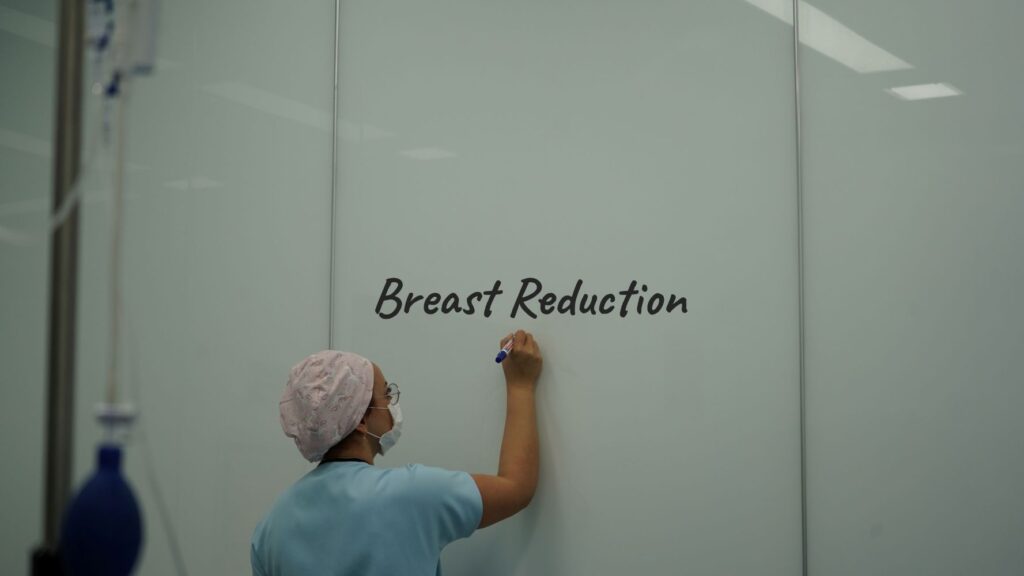
For many individuals, disproportionately large breasts are a source of significant physical and emotional discomfort, extending far beyond aesthetic concerns. The decision to pursue reduction mammaplasty, the medical term for breast reduction surgery, is a substantial one, requiring careful research and realistic expectations. This procedure can remove excess breast tissue, fat, and skin to achieve a breast size more proportionate to the body and alleviate associated symptoms.
Potential patients must enter this journey armed with comprehensive knowledge about the candidacy requirements, procedural details, recovery process, and potential outcomes to make an informed choice.
Here’s what to know about breast reduction before deciding.
Understanding the Motivations: Beyond Cosmetic Desire
While an improved aesthetic profile is typically a welcome outcome, the primary motivations for breast reduction are frequently medical and functional. Chronic physical symptoms can severely impact quality of life. Common issues include persistent pain in the neck, shoulders, and back, deep grooves from bra straps, skin irritation or rashes beneath the breast crease, and restricted physical activity. Nerve pain, poor posture, and even skeletal deformities can develop over time.
Furthermore, the emotional and psychological burden should not be underestimated. Difficulties in finding clothing, unwanted attention, and self-consciousness can contribute to social anxiety and diminished self-esteem. It’s widely acknowledged that breast reduction surgery can help address this multifaceted constellation of concerns, legitimizing the decision as one often grounded in healthcare necessity rather than vanity.
Ideal Candidacy and Preoperative Consultation
Not everyone is a suitable candidate for breast reduction surgery. Ideal patients are typically in good general health, non-smokers, and have realistic expectations about the results. Surgeons often assess candidates based on the severity of physical symptoms, the proportion of breast size to body frame, and the stability of breast development.
A thorough consultation with a board-certified plastic surgeon is the critical first step. During this meeting, the surgeon will review the medical history, conduct a physical examination, discuss goals, and explain the limitations of the procedure.
Additionally, patients should be prepared to discuss any family history of breast cancer, as preoperative mammograms may be recommended depending on age and risk factors. This dialogue is also the time to ask detailed questions about the surgeon’s experience, view before-and-after photos of previous patients and understand all associated risks and costs.
The Surgical Procedure: Techniques and Scars
Breast reduction is typically performed under general anesthesia and can take two to five hours. The most common technique involves an incision that circles the areola down to the breast crease and follows along the crease itself. Through these incisions, the surgeon removes excess tissue, fat, and skin, then reshapes the remaining breast and repositions the nipple and areola to a more youthful height. Some patients with moderate reductions may be eligible for less extensive incision patterns.
It’s imperative to understand that scarring is an inevitable part of the process, although scars typically fade significantly over 12 to 18 months. The surgical goal is to strike a balance between removing sufficient tissue for symptom relief and creating an aesthetically pleasing, symmetrical, and natural contour.
Navigating the Recovery and Healing Process
Postoperative recovery requires planning and patience. Patients can expect bruising, swelling, and discomfort managed with prescribed medication. Surgical drains may be used temporarily to remove excess fluid.
A supportive surgical bra must be worn continuously for several weeks to minimize swelling and support the new breast contour. Most individuals need one to two weeks away from work, and strenuous activities, heavy lifting, and vigorous exercise must be avoided for at least four to six weeks.
Lastly, sensation in the nipples and breast skin may be altered temporarily or, in some cases, permanently. While initial results are visible immediately, final settling and shaping can take up to a year. Adhering strictly to the surgeon’s postoperative instructions is paramount for optimal healing and minimizing complications.
Weighing the Risks and Potential Complications
As with any major surgery, breast reduction carries risks that must be carefully considered. These include standard surgical risks such as reactions to anesthesia, bleeding, infection, and blood clots. Specific to this procedure are potential complications like asymmetry, changes in nipple or breast sensation, difficulties with breastfeeding, delayed wound healing, and prominent scarring.
There’s also a risk of partial or total loss of the nipple and areola due to impaired blood supply, though this is rare with an experienced surgeon. A thorough discussion of these risks with the surgical provider allows for a balanced perspective before proceeding.
Assessing Outcomes and Long-Term Satisfaction
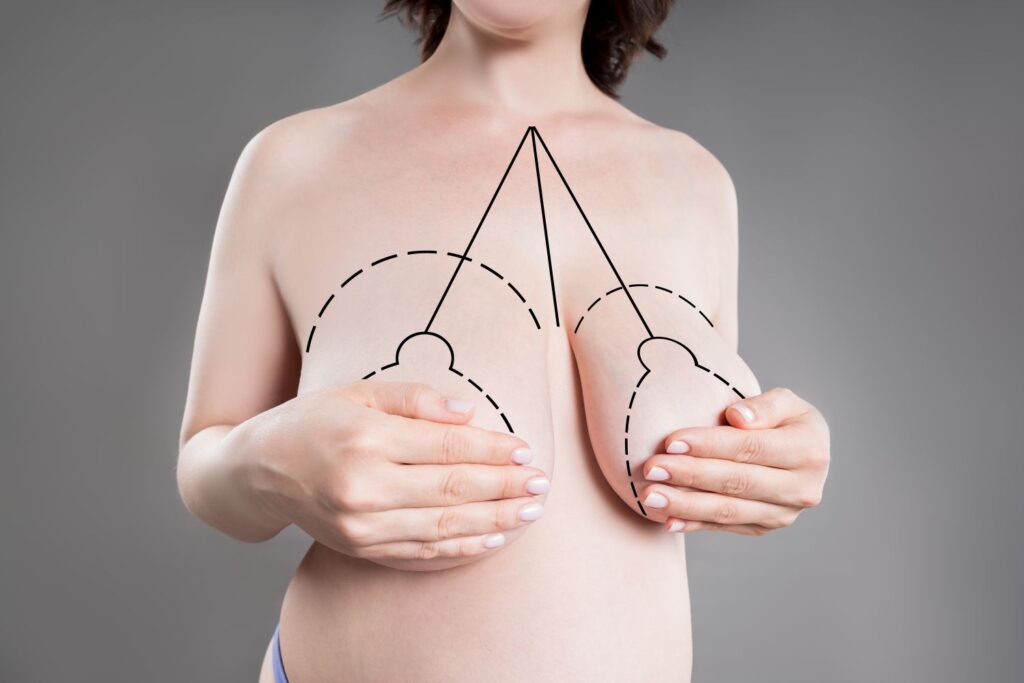
The outcomes of breast reduction surgery are typically transformative. It’s believed that many individuals report relief from physical pain and significant improvements in self-image, emotional well-being, and the ability to engage in physical activities and wear desired clothing. However, it’s important to note that while the results are long-lasting, significant weight fluctuations, pregnancy, and breastfeeding can alter the surgical outcome.
Ultimately, choosing a qualified, board-certified plastic surgeon and maintaining clear communication throughout the process are the most significant factors in achieving a safe and successful result, leading to an enhanced quality of life for years to come.
Conclusion: A Deliberate Path to Improved Well-being
The journey toward breast reduction is a highly personal and consequential decision. It transcends cosmetic alteration, representing a potential solution for chronic pain, physical limitation, and psychological distress.
By keeping the information mentioned above in mind, individuals can navigate this path with confidence. The procedure, while significant, offers the profound promise of lasting relief and a renewed sense of comfort, proportion, and freedom.
Other Articles You May Find of Interest...
- Breast Reduction: What to Know Before Deciding
- Who Is a Good Candidate for Non Surgical Body Sculpting Treatments?
- Effective Strategies for Keloid Removal and Management
- Can Salicylic Acid Effectively Treat Acne?
- Can Cider Vinegar Help You Get Rid of Warts?
- Is Hydrogen Peroxide Toothpaste the Secret to a Brighter Smile?
- Effective Treatments and Prevention Strategies for Warts in Virginia




