






More Allergy, Asthma & Infectious Disease Articles
What Does a Normal FEV1 Indicate About Your Lung Health?
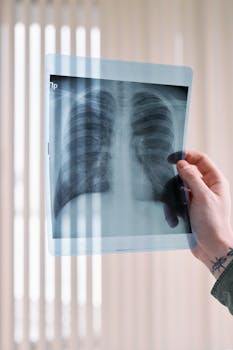
Imagine being asked to blow into a tube during your doctor’s visit and not knowing what the results mean. For many people, this is what happens with pulmonary function tests like the FEV1. So, what does a normal FEV1 indicate about your lung health? FEV1 measures the amount of air you can force out in one second after taking a deep breath – essentially a snapshot of how well your lungs are functioning.
Understanding the Significance of a Normal FEV1
Having a normal FEV1, which stands for Forced Expiratory Volume in one second, suggests that your lung function is healthy and efficient. In medical assessments, the term “normal” often implies that results fall within the average range for your age, sex, height, and ethnicity according to standardized charts. These levels indicate that your lungs are functioning well enough to keep up with everyday activities without causing symptoms such as breathlessness.
How a Normal FEV1 Affects Daily Life
A normal FEV1 can influence your daily life by allowing you to engage in physical activities, maintain stamina, and avoid respiratory discomfort. Whether you’re climbing stairs, playing sports, or simply running errands, having a healthy FEV1 means your lungs are operating efficiently. It’s a reassuring signal that your respiratory system can handle routine demands and occasional exertion.
Lifestyle Factors Impacting FEV1
Several lifestyle choices can support a healthy FEV1. Regular exercise, a balanced diet, and avoiding smoking are crucial. Physical activity helps improve lung capacity and efficiency. You can read more about how lifestyle choices impact our overall health at this article. Eating antioxidant-rich foods may help support lung function. Moreover, minimizing exposure to pollutants and allergens can also contribute positively.
When to Seek Care
Even if your FEV1 is normal, certain symptoms might necessitate a consultation with a healthcare provider. If you experience persistent cough, wheezing, shortness of breath during minor activities, or have a history of respiratory issues, it’s wise to seek evaluation. Pulmonologists specialize in the respiratory system, but primary care physicians can also assess your lung health.
Managing Unexpected Changes in Respiratory Health
Lung function can fluctuate due to conditions such as asthma, chronic obstructive pulmonary disease (COPD), or infections. If you notice changes in breathing patterns or develop symptoms like frequent coughing, it might be time to reassess your lung health. It’s crucial to address these variations early with your healthcare provider to adjust management plans or explore additional treatments if needed.
Questions to Ask Your Doctor About FEV1
If you’re consulting a healthcare provider about your lung health, consider asking these questions: What do my FEV1 results mean for my daily activities? Are there specific exercises to improve my lung health? Should I avoid certain environments or activities?
Common Questions
What activities are safe with normal lung function?
With normal lung function, you can safely engage in most activities. Regular exercise like walking, swimming, and cycling are excellent for maintaining lung health.
When should I see a doctor if I notice breathing issues?
Seek medical attention if you experience persistent breathlessness, chronic cough, or any change in your usual breathing patterns. Early intervention helps manage potential health problems effectively.
What type of provider should I contact for lung health concerns?
A primary care doctor can be the first point of contact for lung-related concerns. For more specialized care, a pulmonologist focuses on respiratory health and can provide further evaluation and management.
Are there preventive measures for maintaining a healthy FEV1?
Maintain a smoke-free environment, exercise regularly, and consume a diet rich in fruits and vegetables. Avoid exposure to pollutants and allergens as much as possible to support your lung health.
Can certain medications affect my FEV1 levels?
Yes, medications for asthma or COPD can affect FEV1 levels. Always discuss with your doctor how medication may influence your lung function and what adjustments might be needed.
For more comprehensive health information, you can visit MedlinePlus.
- A normal FEV1 indicates healthy lung function.
- Lifestyle choices like exercise and diet can affect FEV1.
- Consult a healthcare provider for persistent respiratory symptoms.
- Understanding your FEV1 can help manage daily activities.
- Pulmonologists can provide specialized care for lung health.
Other Articles You May Find of Interest...
- How to Keep Pollen Out of Your Home: Choosing an Air Purifier for Pollen
- When Should Your Child See a Pediatric Allergist? A Three-Trigger Test
- Candida sp. rRNA Results: What Molecular Testing Detects
- Ant Bites or Poison Ivy? How the Rashes Differ
- Can Stress Cause Cold Sores on the Lips?
- Gram-Positive Rods in a Blood Culture: Contamination or Infection?
- Can Head Lice Get Into Your Ears?





