






More Allergy, Asthma & Infectious Disease Articles
What Are Those Red Bumps on Your Legs?
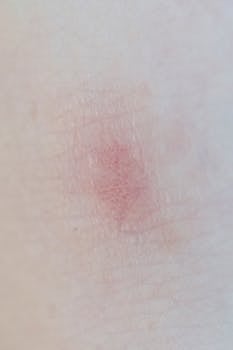
Noticing red bumps on your legs can be concerning. They can appear for various reasons ranging from minor irritations to more complex skin conditions. Identifying the cause is the first step toward effective management and relief.
Common Causes of Red Bumps on Legs
Several conditions could lead to red bumps appearing on your legs. Understanding these can help you determine whether a visit to a healthcare provider is necessary.
Folliculitis
Folliculitis is an inflammation of the hair follicles. It’s often caused by a bacterial or fungal infection and is characterized by clusters of red bumps surrounding hair follicles. These may develop into pus-filled blisters.
Keratosis Pilaris
Keratosis Pilaris, sometimes known as chicken skin, presents as tiny, painless bumps on the skin. It typically occurs on the thighs and upper arms, caused by the buildup of keratin, a protein that protects your skin.
Allergic Reactions
Red bumps may be a result of allergic reactions to products such as lotions, soaps, or fabrics. Identifying and removing the allergen is key to resolving the condition.
Insect Bites
Insect bites, particularly from mosquitoes or bedbugs, are a common cause. These bites are usually itchy and may be accompanied by swelling.
Treatment and Prevention
To effectively manage red bumps on legs, consider the following treatment and prevention strategies:
Maintain Proper Hygiene
Regular cleaning of the affected area with mild soap and water can prevent infections and reduce irritation. Avoid harsh scrubbing, which may exacerbate the issue.
Moisturize Regularly
For conditions like Keratosis Pilaris, using a gentle moisturizer containing lactic acid or urea can help smooth the skin.
Manage Allergic Reactions
If allergies are the suspected cause, switch to hypoallergenic products. Antihistamines may also provide relief from itching and swelling.
When to See a Doctor About Red Bumps on Legs
Though many cases of red bumps are harmless and temporary, certain situations necessitate medical consultation:
- The bumps are painful or persist despite home treatment.
- You’re experiencing symptoms like fever or swollen lymph nodes.
- The inflammation spreads or worsens rapidly.
If you experience severe symptoms or the condition does not improve, seeking professional advice is crucial. A healthcare provider can offer targeted treatments such as topical antibiotics or steroids if needed.
For more insights on overall health strategies that could improve your skin and body, explore our article on weight management, nutrition, and exercise.
Conclusion: Understanding and Finding Relief for Red Bumps on Legs
Red bumps on legs can be a nuisance, but understanding their most likely causes and treatments can lead to relief. Always consult a healthcare professional for persistent or severe cases to ensure a proper diagnosis and treatment plan.
For further reading, you might check out the Health Wikipedia page, which covers a broad range of related topics.
- Red bumps on legs can arise from several causes including folliculitis and Keratosis Pilaris.
- Proper hygiene and moisturization can help manage symptoms.
- Allergic reactions to products or insect bites may also cause red bumps.
- Consult a healthcare professional if symptoms are severe or persist.
FAQs
What are the primary causes of red bumps on the legs?
The primary causes include folliculitis, Keratosis Pilaris, allergies, and insect bites.
How can I prevent red bumps from appearing on my legs?
Maintain good hygiene, use gentle skincare products, and avoid known allergens and irritants.
Should I moisturize red bumps on my legs?
Yes, applying a gentle moisturizer can help reduce dryness and irritation, particularly in cases like Keratosis Pilaris.
When should I see a doctor for red leg bumps?
If the bumps are painful, persistent, or accompanied by other symptoms like fever, seek medical advice.
Are there any home remedies for red bumps on legs?
Yes, applying warm compresses and using over-the-counter hydrocortisone cream may alleviate mild symptoms.
Other Articles You May Find of Interest...
- Is Your Health Affected by Myeloperoxidase Antibody Levels?
- Is the Z Pack Effective for Treating Bronchitis Symptoms?
- Is It Safe to Drink Alcohol While Taking Doxycycline?
- Are Fevers Contagious and What You Need to Know?
- What Does Black Discharge Mean for Your Health?
- Protecting Your Health: What You Need to Know About Sapovirus
- Are Allergy Shots Worth the Risk? Exploring Long-Term Side Effects



